
Western Washington gardeners, get ready. It’s time to sow some cold-hardy seeds
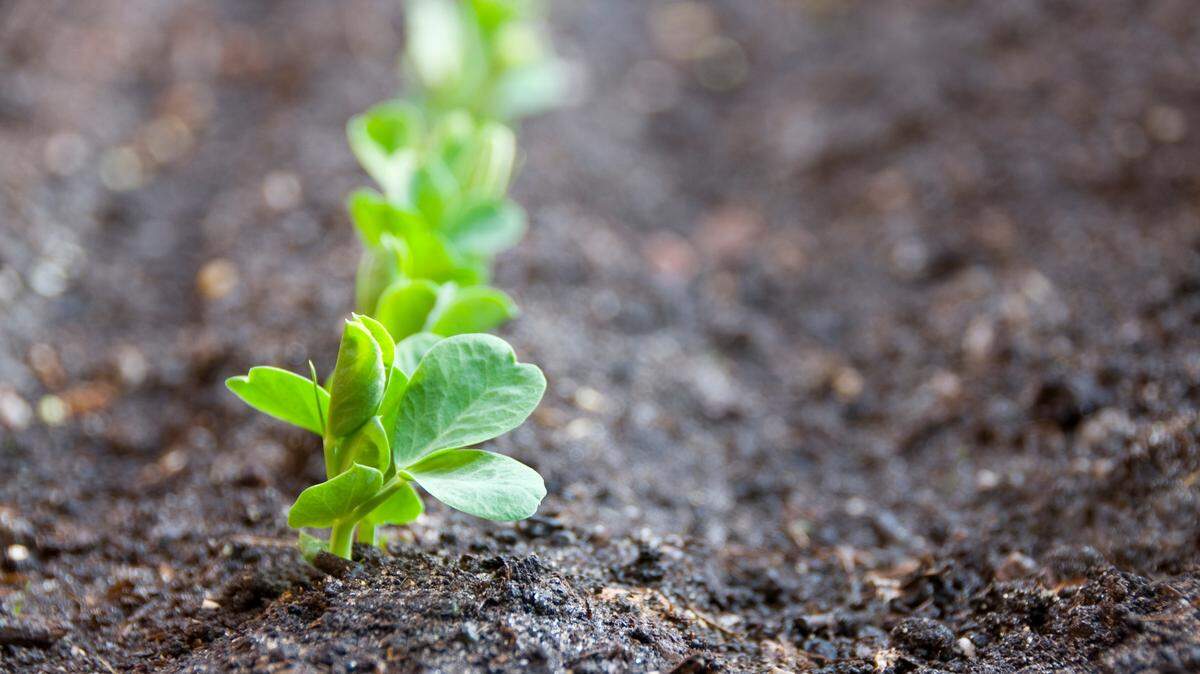
The end of February means Western Washington gardeners can finally start some seeds.
Cold hardy plants such as sweet peas, garden peas, cabbage, kale and pansy can be started indoors or outside if you have well-drained soil. It is too early to plant seeds of tomatoes, squash, peppers or coleus. These warmth-loving plants will grow tall and leggy even if you have a greenhouse as they wait for the frost-free date in May that allows them to go outdoors.
Houseplants also are waking up this month as the days grow longer and they get more light. This is a good time to transplant or divide indoor plants and take the time to dust their foliage. A damp rag or gentle rinse will not only allow more light to hit the foliage, but a cleaning also will help to keep house plants free of mites and other pests.
Q. I have had trouble starting seeds in my greenhouse because once the seeds sprout, the seedlings often keel over and die after a few weeks. It is a heated greenhouse. Any idea what I am doing wrong? — B.B., Tacoma
A. Sounds like dampening off disease, a fungal infection that attacks newly sprouted seedlings — especially those grown indoors. The solution is to use very clean containers and fresh seed starting soil that drains well. Good air circulation in the green house is also crucial at preventing this disease.
Another tip is to wait a few weeks longer to start seeds so that the longer days can help the seedlings fight this fungus. Fungi like cool, damp and dark conditions so clean tools, clean pots and a bright spot for growing seeds acts like an anti- fungal solution.
Don’t give up. Seeds are inexpensive and you will learn from each trial-and-error seed planting adventure.
Q. How does one clean the dusty but hairy leaves of an African violet? I know water should not be used on the foliage of this houseplant. A dust cloth just leaves the foliage full of more dust. Would it be safe to use a hand vacuum to suck up the dust? — P., Email
A. No to sucking up the dust, as a Hoover strong enough to disengage the dust from those hairy leaves could damage the plant. Instead make like Monet and grab a paintbrush. Brushing the leaves with a paintbrush is a gentle way to remove debris and it could make you find your inner artist.
Gossip from the garden: Here is some surprising news I learned from reading letters that Claude Monet wrote to his family. Monet had his wife and many children do all the weeding, planting and watering of his giant garden. He felt his time was best spent painting the results of their labor and bossing them around. Time for his hard-working wife and children to get some credit for his masterpieces. Spread the word.
Q. I have Nandina or Heavenly Bamboo in a narrow bed close to my house. It has grown tall and thin and the lower leaves have fallen off, leaving just top growth. What would happen if I cut this shrub down to about one foot tall? I am tempted to just cut it to the ground and hope it dies so I can replace it with another shrub. — G.G., Olympia
A. Grab the pruning shears or a saw and let the cutting begin. Nandina is one shrub that can be cut down to the ground and will resprout with fresh new growth and a more compact shape.
Even if you do lose an overgrown shrub after a severe pruning, it can still give you a great result. There is no need to put up with plants that grow too large, too ugly or too demanding. Plants are not your children. There are plenty of dwarf nandinas waiting to be adopted at the local nurseries and they are much better behaved and would be ever so grateful if you take them home.
Marianne Binetti has a degree in horticulture from Washington State University and is the author of several books. Reach her at binettigarden.com.