
Olympia resident detained by Israel during Gaza aid flotilla returns home
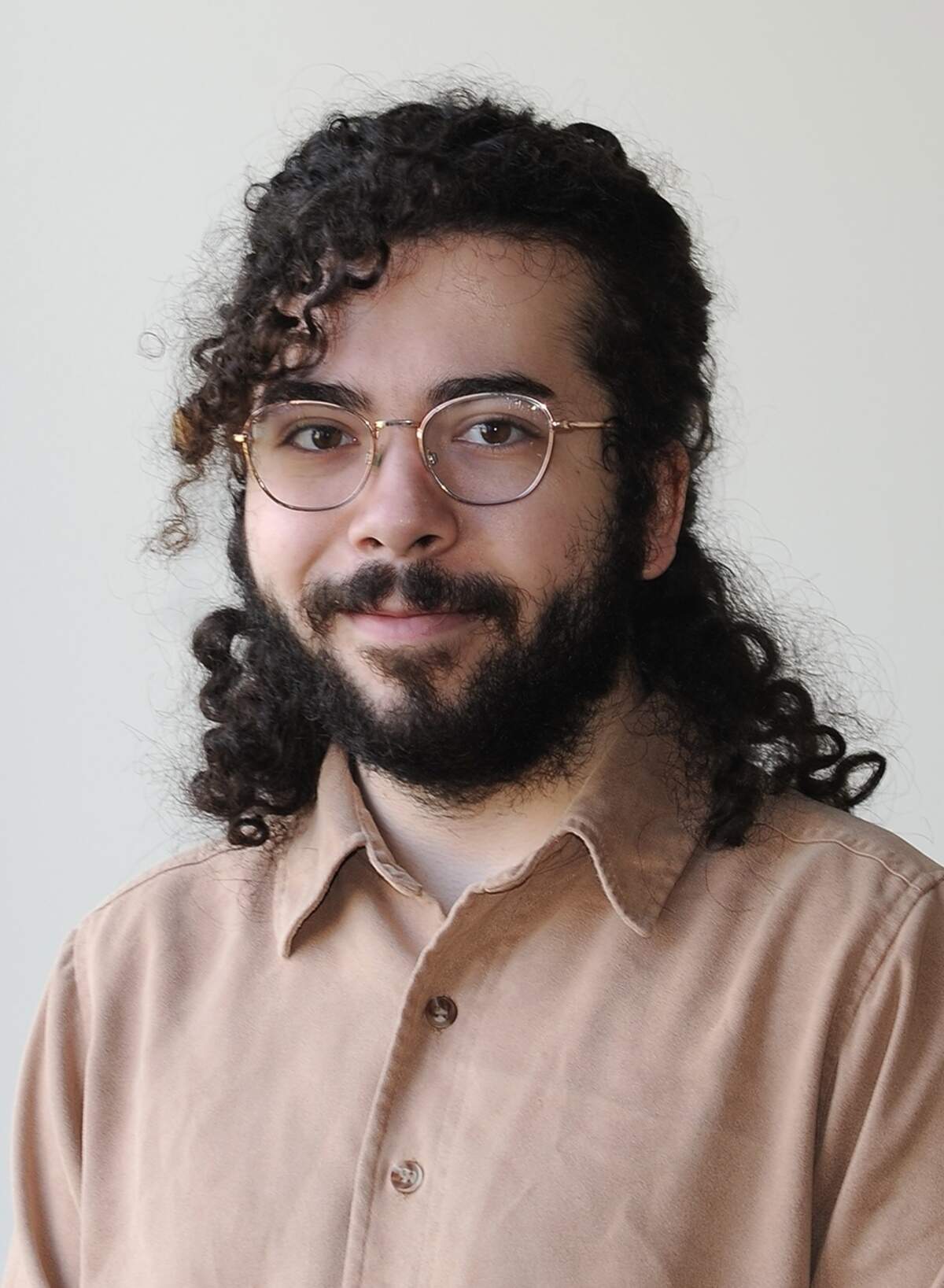
Olympia resident Andrew Bly said he was sick of watching the war in Gaza play out on his phone every day.
He said he felt like the conflict had faded into the background among other world events, and he wanted to do something about it.
Bly, 40, returned to the United States on June 1 after spending three months in the Mediterranean attempting to bring aid to Palestinians in Gaza. His trip ended after Israeli forces intercepted dozens of aid flotillas in the middle of the sea on May 18 and May 19, including the boat he was on. He recounted his trip in an interview with The Olympian on June 5.
Bly said he grew up in Olympia and has been working on tugboats for more than 20 years. He got involved with the Global Sumud Flotilla in March when the organization was looking for volunteers.
According to GSF’s website, the maritime initiative was launched in 2025 and consists of dozens of boats and hundreds of activists attempting to break the Israeli naval blockade of the Gaza Strip and establish a humanitarian corridor. According to reporting from Al Jazeera, all flotillas attempting to break the Gaza blockade have been intercepted or attacked by Israel in international waters since 2010. The United Nations and others have reported widespread hunger and malnutrition in Gaza amid the conflict there.
Bly said he originally volunteered to help prep boats that were going from Sicily to Gaza, because he’s a maritime engineer who knows his way around an engine room, and he thought he could help. He had never done any major activism before, other than attending protests and “screaming into the void,” he said.
Bly said he ended up staying on as a skipper for a boat set for Gaza.
The aid boats didn’t make it very far. Bly said Israeli forces began intercepting boats the night they left Sicily. He said nobody saw it coming, because they were still hundreds of miles away from Gaza.
According to reporting from Reuters, the flotilla group said there were 426 people taking part in the 54-vessel flotilla from 39 countries. Bly’s boat and 38 other vessels were intercepted on May 18 and May 19. The rest were intercepted in the days before. All 426 people were detained.
Around the same time, the city of Olympia put out a news release that said it was monitoring reports of Bly’s involvement in the humanitarian aid mission and his presence in Israel, but no specifics were provided. Assistant City Manager Stacey Ray said she was not able to confirm at the time that Bly was involved in the situation reported by Reuters.
Bly said most of the boats were taken in by Israeli forces within a few days. He said his boat and five others made it into the international waters of Egypt, hoping that would make them safe from interception. That plan didn’t work, and his sailboat crew of eight were all put onto an Israeli prison boat, he said.
“We were going all the way until they wouldn’t let us anymore,” he said.
He said his group stayed on the boat for about 24 hours before they were taken to Ashdod, Israel, for processing.
“The prison boat wasn’t fun and the actual prison wasn’t fun either, you know, but I think a lot of the more egregious stuff happened like once they unloaded us off the prison boat into the port for whatever processing they were doing in there,” he said.
Bly said the prison boat involved sleeping on a bare shipping container that had barbed wire around it. Armed men stood over them while they attempted to sleep in the cold, he said. According to reporting from the BBC on May 21, Israeli National Security Minister Itamar Ben-Gvir posted a video of himself taunting activists kneeling with their hands tied behind their backs.
The action led to condemnation from several international leaders, including Israeli Prime Minister Benjamin Netanyahu, who said the behavior was “not in line with Israel’s values.” Bly was not among those in the video.
NBC reported that Israel Defense Forces said “IDF orders require respectful and appropriate treatment of flotilla participants on the intercepted vessels, and there are clear and established procedures in this regard,” and refuted allegations of abuse.
Bly said some detainees had their wrists bound with zip ties and had been roughed up by guards on the prison boat. They were also stripped of most of their belongings, he said.
He said once they were being processed in Ashdod, everyone had their wrists zip tied behind their backs and they were forced to keep their heads down. He said they were shoved through the processing facility while being held by the neck.
After being processed, Bly said detainees were put on a bus for a four-hour ride to prison, where they lost the rest of their belongings. He said they were moved around the prison for hours while their hands were cuffed behind their backs.
Bly said detainees were put into outdoor prison cells that held about 30 people each, if not more. He said they were given sandwiches and a small water bottle to share.
He said they did not have blankets or pads for the beds in the pen. A TV in the room played propaganda about what prompted the war in Gaza, he said.
After spending the night in prison, Bly said international detainees were put on buses headed to the airport to be extradited out of the country. He said they were first sent to Istanbul, Turkey. He then spent a week in Sicily to see some of the others who were on the flotilla. He arrived in Seattle on June 1.
Bly said he thought he was going to be more scared of the experience than he was. He said he’s resilient and kept his head down.
He said he remembers when Rachel Corrie, a 23-year-old woman from Olympia, died in 2003 in Rafah while attempting to block an Israeli military bulldozer from demolishing a Palestinian home. The foundation in her name shared a post on social media on May 21 following news that those detained on the flotillas were being released from Israeli detention.
“The Israeli government proudly posted evidence of these heinous crimes online,” the post said, in reference to the video of the National Security Minister taunting activists. “Palestinians are subjected to such cruelty on even more unfathomable scales every day.”
The BBC reported on May 23 that flotilla organizers alleged there were at least 15 cases of sexual assaults, while other people who were detained alleged they were beaten and mistreated. The BBC has not been able to verify those allegations, and Israel’s prison service has dismissed them as false, saying all detainees were “held in accordance with the law.”
The New York Times reported June 5 that French prosecutors are investigating allegations of French activists that they were abused by Israeli authorities when their flotilla was detained last month. The Times said in the article that it was looking into those accounts, and had “not independently confirmed them.”
Reuters reported June 8 that Italian prosecutors are investigating Ben-Gvir in connection to the treatment of Italian activists who were part of the flotilla. Reuters reported that he said in a statement: “I will not shy away from one investigation or another and will continue to stand proudly alongside our fighters.”
Bly said he worries about the treatment Palestinian prisoners are experiencing.
“If they are willing to do that to us, you know, sometimes in front of cameras, then imagine what they’re doing to people that they feel are subhuman, you know, behind closed doors,” he said.
Bly said he’s always been politically minded and that this experience hasn’t stopped his efforts to help. He said he might try to get a job on a migrant rescue boat in the Mediterranean. He has also looked into working for Sea Watch, a European humanitarian aid organization, he said.
“It’s definitely inspired me to try and stay more active and organized,” Bly said.
He said it’s easy to feel overwhelmed by how much is going on in the world and not know where to begin to help. He said for him, it’s worked to pick something to focus on and carry that momentum forward into other projects.
“I plan on trying to carry that momentum as much as I possibly can,” he said.
Bly said he hopes that his actions would motivate other people to do whatever they can to help those in need.
“There are so many organizations and so many things that you can do and so many people that need help,” he said. “And we got to lead by example and create the world that we want to live in and that takes all of us pitching in and doing what we can, where we can.”
The Olympian reached out to the U.S. Department of State for more information regarding the interception of the flotillas and the return of citizens to the U.S., as well as Bly’s participation in the effort to deliver humanitarian aid.
In an email to The Olympian on June 8, a Department of State spokesperson said “the Trump Administration has no higher priority than the safety and security of Americans.”
The spokesperson said they have nothing further to share due to privacy and other considerations, and they directed The Olympian to an April 30 news release from the department.
On April 30, the U.S. Department of State posted a news release that stated the “United States condemns the Global Sumud Flotilla, a pro-Hamas initiative and a baseless, counterproductive effort to undermine President Trump’s Peace Plan.”
.jpg)