
How are bald eagles faring after Western Washington floods? What to know
Western Washington is recovering from widespread floods that destroyed houses and businesses.
However, humans weren’t the only ones hit hard by severe weather, wildlife experts say.
Bald eagles were also been impacted by flooding.
An atmospheric-fuelled storm in December brought heavy rain and record flooding to Whatcom County, The Bellingham Herald previously reported.
The Nooksack River overflowed, forcing residents of Ferndale, Sumas, Everson and other towns to evacuate while gushing “flood waters covered streets and closed businesses,” Whatcom County said on its website.
However, humans weren’t the only ones hit hard by severe weather, wildlife experts say.
Bald eagles may have also been impacted by flooding.
Here’s that wintry weather means for America’s national bird:
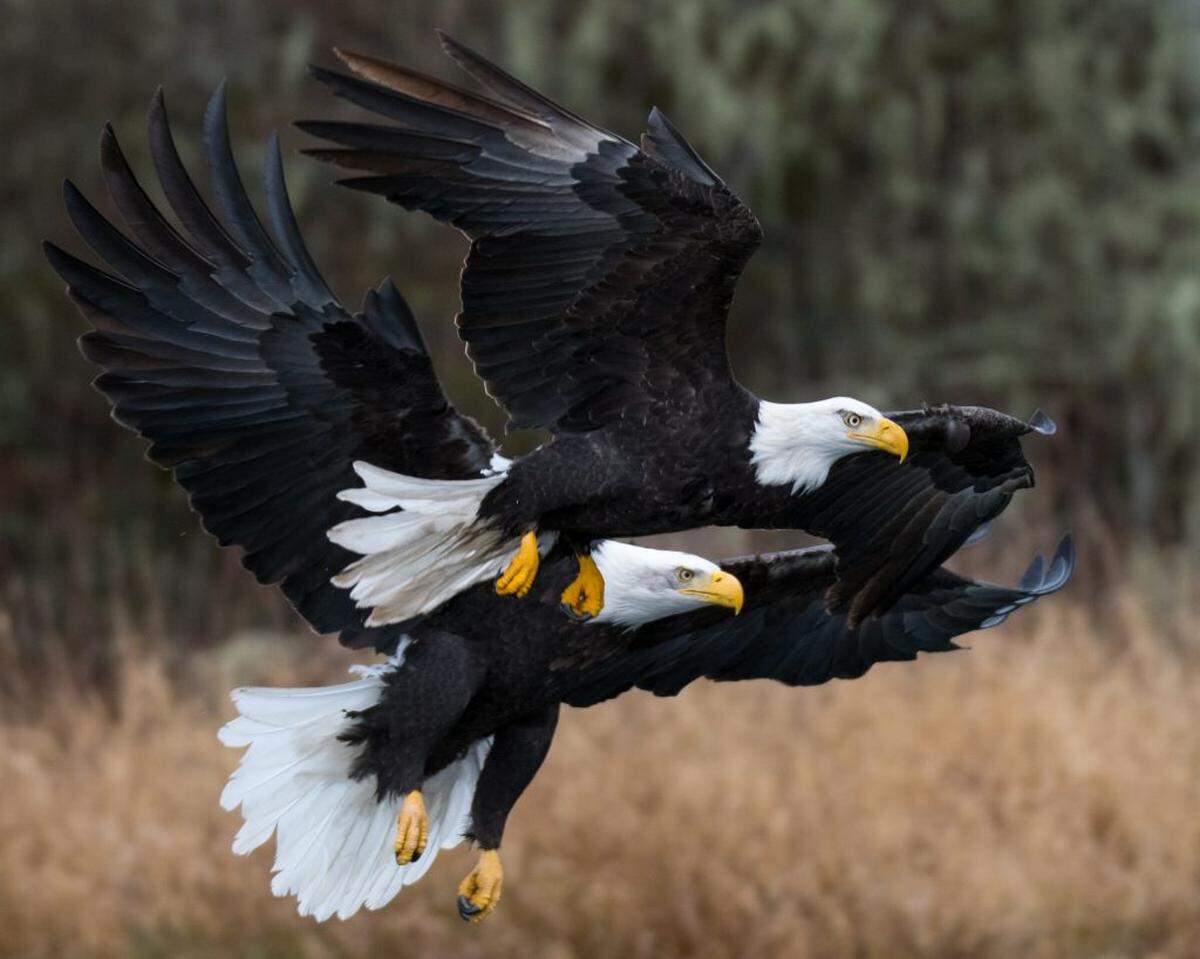
Are bald eagles common in Western Washington?
Bald eagles, identified by their white heads, brown bodies and bright yellow talons, can be found in Washington state all year long, according to the Cornell Lab of Ornithology.
In the winter, the raptors can be spotted along the Nooksack River in Whatcom County, feasting on spawned salmon and nesting in trees, The Bellingham Herald previously reported.
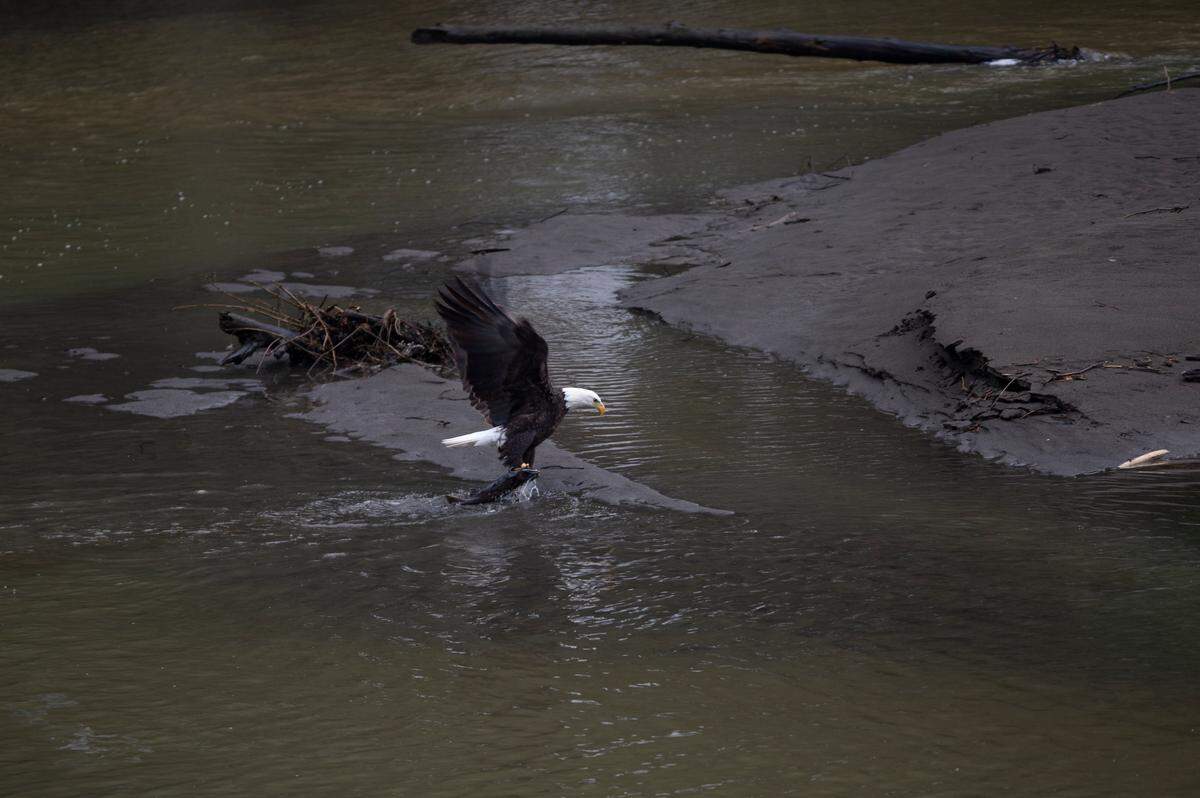
What do bald eagles typically eat?
According to the American Eagle Foundation, fish accounts for 70% to 90% of a bald eagle’s diet.
“However, bald eagles are opportunist feeders, meaning they will feed on what is most available, and requiring the least amount of energy to acquire it,” the nonprofit organization said on its website.
In addition to fish, bald eagles eat rats, raccoons, rabbits, frogs, turtles and occasionally deer, according to the Loudoun Wildlife Conservancy in Virginia.
Bald eagles can consume up to a pound of food a day, the American Eagle Foundation said, adding that the amount required depends on the food, eagles’ activity level and time of year.
“Eagles may require more food at certain times of the year, such as in winter when they are losing more energy,” the group said.
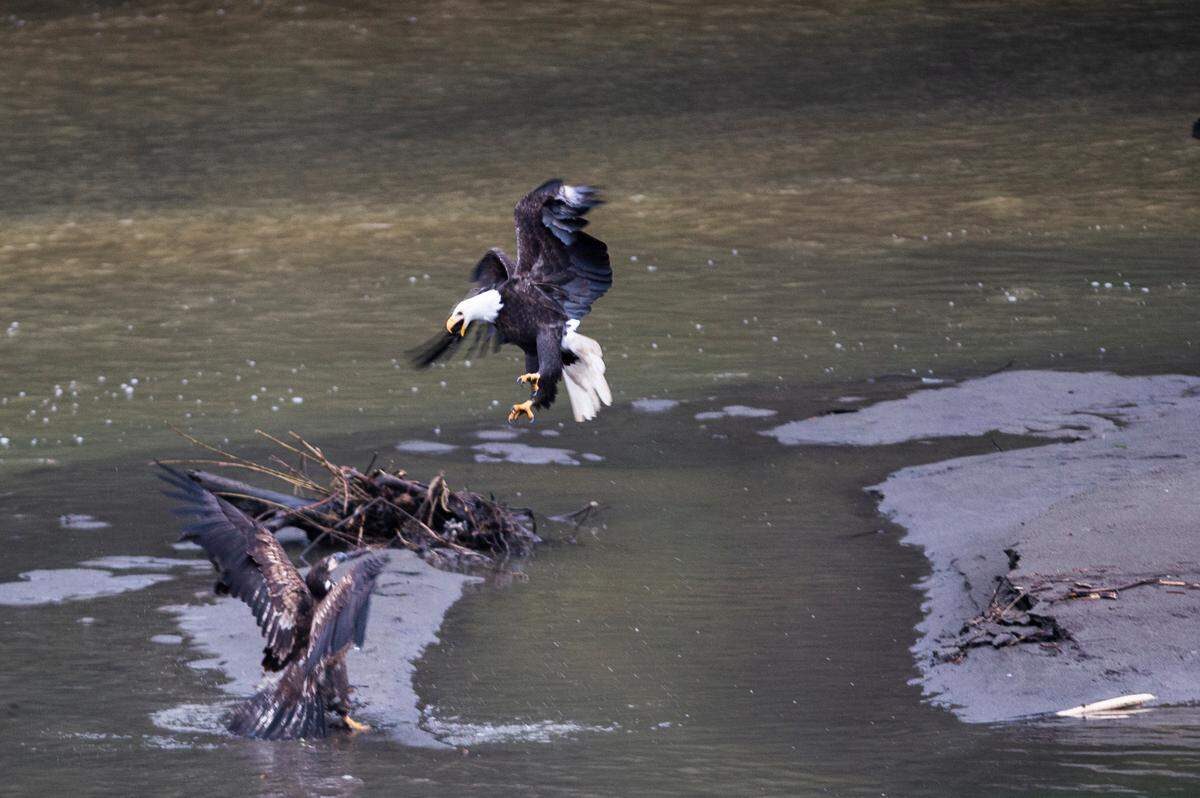
How did flooding affect bald eagles?
Although bald eagles in Western Washington weren’t directly affected by flooding, wildlife experts said, their food source was swept away temporarily.
Most eagles in Whatcom County are winter only residents, according to Stephen Chase, a local birder. Because of this, it is likely the nest and perching affects were minimal.
“The floods likely pushed many chum and coho salmon carcasses — the two Pacific salmon species that spawn the latest each year — off the riverside gravel bars where eagles typically access them, and downstream or out to estuaries and the Salish Sea,” Chase Gunnell, communications manager for the Washington Department of Fish and Wildlife, told The Bellingham Herald.
Fortunately, the eagles have diverse diets, so they’re not just relying on fish for nutrition, Gunnell said.
However, he added, the floods may have affected bald eagles’ main food source in the future.
“This record-setting flood event will likely have severe impacts on salmon, particularly eggs laid earlier this fall, many of which will be lost due to scour from floodwaters or buried under heavy sediment,” Gunnell said. “As a result, there will be effects to salmon returns in 2027 (through) 2029.”
Flooding could have unexpected benefits for bald eagles’ health long term, according to a spokesperson? for the city of Bellingham.
“Flooding is an important natural ecological process that helps maintain stream functions and supports a vibrant food web, which includes bald eagles,” Stefanie Cilinceon, Bellingham communications and outreach coordinator, told The Herald.
“During a flooding event, bald eagles may temporarily have increased access to one of their key foods, salmon, as waters and salmon expand into shallower areas with slower velocities making salmon easier to observe and catch,” Cilinceon said.
Flooding “can also help support the long-term health of bald eagles by improving overall habitat for salmon and mammals as primary food sources,” Cilinceon added.
Where can I find bald eagles in Whatcom County?
The best spots to see bald eagles in the Bellingham area include Deming Homestead Eagle Park at the North Fork of the Nooksack River, near Deming, The Herald previously reported.
“From December through March, many bald eagles gather here to feed on spawned out salmon carcasses that wash up on the sandbars created by the channels of the river,” the Washington Trails Association said on its website.
Other popular places to view eagles include the Welcome Bridge along Mosquito Lake Road and Tennant Lake Wildlife Area in Ferndale, according to Bellingham Whatcom County Tourism and the Cascade Loop website.
This story was originally published January 9, 2026 at 5:00 AM with the headline "How are bald eagles faring after Western Washington floods? What to know."