
Olympia’s live theater companies among many nationwide struggling to bring back audiences
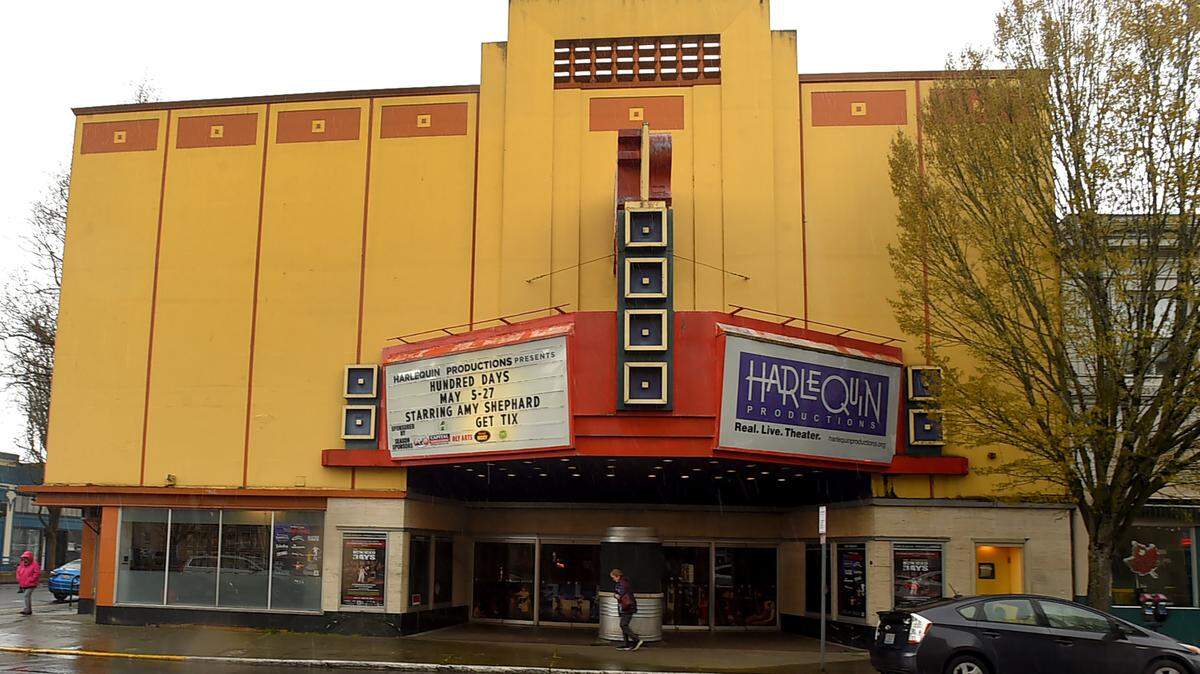
Three years after COVID-19 closed their doors, South Sound theater companies are still feeling the pandemic’s effects.
“We’re not selling what we would hope to be selling,” said Harlequin Productions artistic director Aaron Lamb. “The audience coming back from the pandemic is a lot smaller than it was before, and that’s not unique to us.
“Our subscription base is down 50 percent, our ticket-buying public is down about 40 percent, and our revenue is down about 20 percent,” Lamb told The Olympian. “A lot of our base prior to the pandemic that’s not coming back now probably won’t ever come back.”
“Theater is not back,” agreed Kyle Murphy, who’s on the board of Theater Artists Olympia and was the managing director and driving force behind Broadway Olympia Productions, now on an indefinite hiatus.
There’s no question that theaters nationwide are still suffering. A March article in American Theatre magazine said most theaters are struggling to get audiences to commit.
“Theater administrators and researchers … told me that audiences and income are down from pre-pandemic levels by anywhere from 20 to 50 percent,” Rob Weinert-Kendt wrote in the article.
And the venerable Oregon Shakespeare Festival in Ashland, Oregon, is “in crisis,” board members wrote in a fundraising letter this week. “We are not alone,” they wrote. “All across the theater industry, attendance and donations are down significantly.”
“We were closed for almost two full years,” Lamb said. “There was a lot of time for people to change their behavior and their thinking. … Once people get seated on their couch in front of Netflix, it’s a lot harder to get them off.”
Many of the shows TAO and BOP staged this season in their Capital Mall black box theater, now called Oly Theater, struggled to find audiences, especially early in their runs, Murphy said.
“We’re not selling out a tiny theater with shows that I think would have drawn much larger audiences pre-pandemic,” he told The Olympian. “I don’t feel like theater-going behavior is the same when we can’t put 30 people in a theater on a Friday night.”
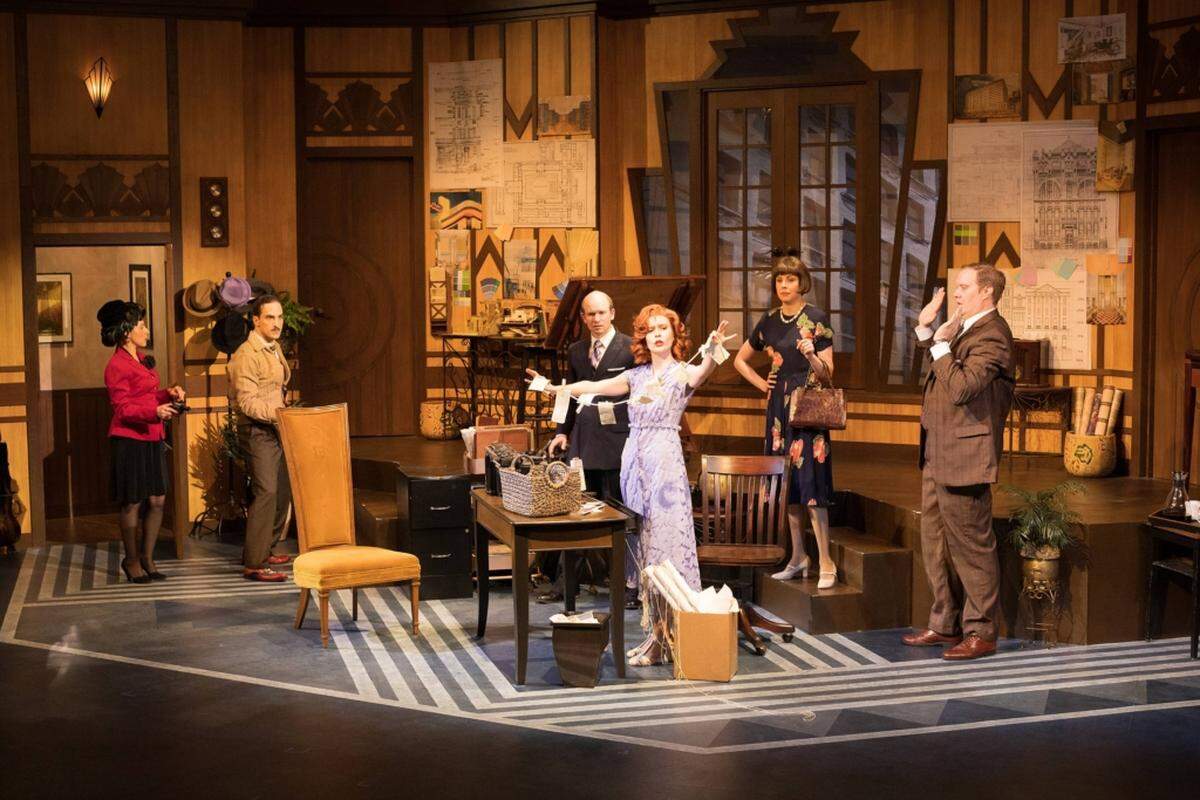
In South Sound, though, the news isn’t all bad. Ticket sales have largely rebounded for Olympia Little Theatre and Olympia Family Theater — though spokespersons for both companies agree that things have changed since theaters went dark in March 2020.
At the OLT — the only Olympia theater still requiring audiences to wear masks — ticket sales have risen significantly since last year, but more theatergoers are choosing to purchase single tickets than season subscriptions.
“Ticket sales are getting pretty close to pre-pandemic levels,” said office manager Cathie Shaughnessy. “We’re back to selling out houses, which we couldn’t say last year or the year before.”
Shaughnessy and board secretary Allison Gerst said they don’t know whether the mask rule, which will be reviewed after the season ends in June, is affecting attendance.
“I think the majority of people appreciate it,” Shaughnessy said. “We’re a small black box theater, so you are sitting right next to people.”
Another sign of hope: Harlequin is seeing lots of new faces in its audiences, and OFT’s camps and classes are drawing many families who’d never participated before. (Because so many of its tickets are sold at the door, the family theater doesn’t have demographic data on audience members.)
Since the shutdown, the family theater has a new artistic director, a mostly new staff and, perhaps most significantly, a new ticket-pricing model that allows theatergoers to pay what they choose.
“We have massively changed our business structure with access-for-all pricing,” said Kate Arvin, the theater’s deputy director. “Folks can come for free, so there’s no reason not to a see a show more than once or bring a friend. That has brought a lot more people through our doors.”
Shows produced with String & Shadow Puppet Theater are drawing younger adults attending without children, Arvin said. “The collaboration brought us a new audience that we hope will come back for our shows,” she told The Olympian.
At Harlequin, “we’re seeing between 25 and 35 percent new ticket buyers,” Lamb said. “That’s heartening, and the newer ticket buyers are younger. It feels like we have a group of 20-, 30- and 40-somethings that are starting to frequent the arts in the area more than we had prior to the pandemic.”
That younger audience seems to be more drawn to shows that tackle hard-hitting topics, he said, particularly 2022’s rock-driven “Hedwig and the Angry Inch.”
In general, though, he and Murphy agreed that lighter shows are a bigger draw right now.
“Theaters have to be really strategic with their programming,” Murphy said. “It makes sense: People have been sad and scared for three years. They want to go out and be entertained and laugh.”
At Harlequin, the 2023 season launched with the madcap hijinks of “Baskerville” and the screwball comedy of “Building Madness.” While the later part of the season looks to be a little less fluffy, there’s nothing to compare with 2022’s shows about school shootings and suicides.
“It’s an exercise in finding a balance of what resonates with our community and what serves our mission,” Lamb said. “There’s a pendulum swing. We went one way in 2022, and we’re going another way in 2023 in order to find that center.
“The landscape is shifting so quickly right now across the country,” he said. “Who comes to the theater and why is changing. There’s a lot of experimenting right now to figure out what works.”