
Civics class is changing, but is it for the better?
Last session, the state Legislature mandated civics education as a statewide requirement in SHB 1896. The bill requires a half credit in high school civics to graduate. It puts civics under the Office of the Superintendent of Public Instruction (OSPI), and requires a comprehensive teacher development program by 2020.
The required high school content includes structure and procedures of government from federal through local (including tribal), U.S. and Washington state constitutions, and current issues including electoral issues. Students will have to complete the U.S. citizenship test. Last, but not least, basic values and “character traits” defined elsewhere in the code (RCW 28A.150.211) are included.
The bill creates a team of qualified social studies teachers and civics education specialists within OSPI. The team is to develop teacher training materials, provide teacher training across the state, and provide professional learning opportunities for qualified civics education instructors, provided the Legislature funds the program.
The OSPI shall also select two school districts “diverse in size and in geographic and demographic makeup” as demonstration sites to implement and assess an in-depth civics education program and to collaborate with programs and agencies in the local community. The sites will monitor and report the level of penetration both in and out of school. They are also to assure that rural, low-income, immigrant, and refugee students are prioritized. They will develop evaluation standards and a procedure for endorsing civics education curriculum for other districts. Finally, they will also provide an annual report to the governor and legislature.
At first blush this seems like a good bill, benign or even admirable. A bit of reflection reveals a note of caution. The content of these courses and materials should be of concern. The character traits are ones that almost all would support. However, no mention is made of natural law nor English common law — both of which the United States is founded. Will issues such as the Second Amendment, citizenship, speech, and federal versus state powers be discussed in a politically neutral manner? Will the 9th and 10th Amendments even be discussed? (I consider them the most important and most neglected of the first 10.)
I am disturbed that the content of the courses and the education of the teachers will have little input from the public, especially parents. Given the nature of education courses at universities over the last 20 to 30 years, the content of the courses are likely to be politically skewed. I fear group rather than individual identity is likely to be the focus, and group rights rather than individual rights will take precedence. I’m concerned that hierarchy and power will be blamed for wrongs rather than individual actions.
What can the individual citizen and parent do? The OSPI is a huge bureaucracy. It manages the primary function of state government, education. Lately, I have been attempting to track and influence a small state agency as a private individual with very modest success. The Washington Administrative Code, which documents the rules and procedures of agencies, is produced by the agencies themselves with effective input only by larger and noisier special interest groups. Influencing these bureaucracies is a very difficult task.
We are electing a new legislature. It will be in place for the next two years. Do your legislative candidates have a position on this new civics curriculum? How will North Thurston Public Schools implement this program, for example? Will parents have input? You may wish bring this up at your parent-teacher organization. Look at the present information on civics education on the state website.
You may remember civics as one of the boring, nerdy courses that you slept through. Many of us, unless actually employed by government, haven’t thought much about the subject since high school. However, it is most important to understand the basics of government and how it works. Government affects and controls almost every aspect of your life. If you do not have a basic understanding of government, you are effectively powerless. If you do not control government, it controls you.
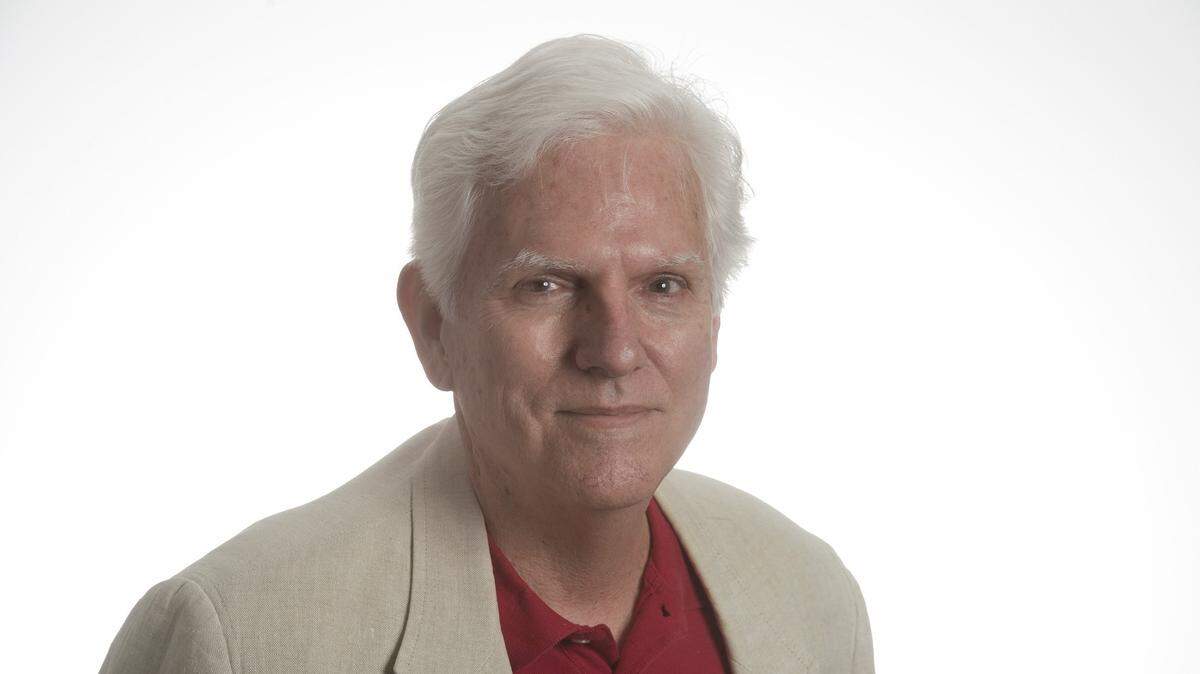
Ed Pole is a retired engineer and active gadfly residing in Lacey. He is a member of the 2018 Olympian Board of Contributors. Contact him at ejp.olyboc@gmail.com or comment online.