These 18 geographic features in WA include a derogatory word and now face a name change
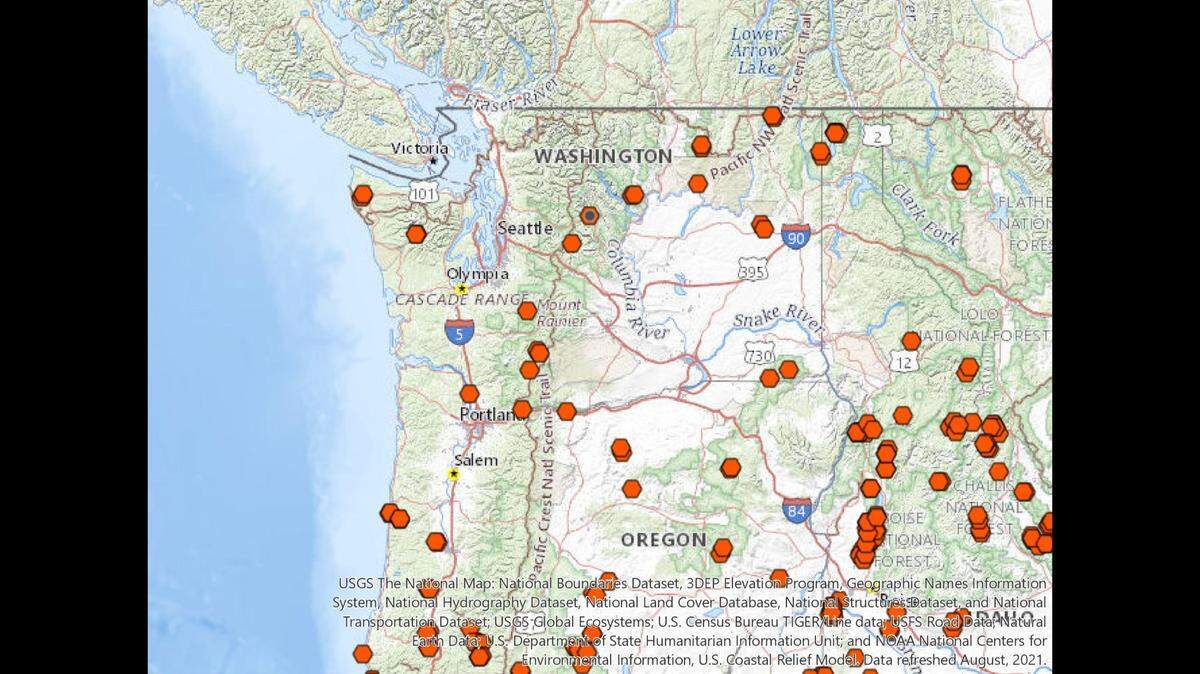
The Washington State Committee on Geographic Names is soliciting public input to rename 18 places in the state that currently contain the word “sq___” — an ethnic and sexual slur for Indigenous women — in their names.
The name change includes Sq___ Lake in Pierce County, one of several small lakes accessible via the Wonderland Trail in the southwest portion of Mount Rainier National Park.
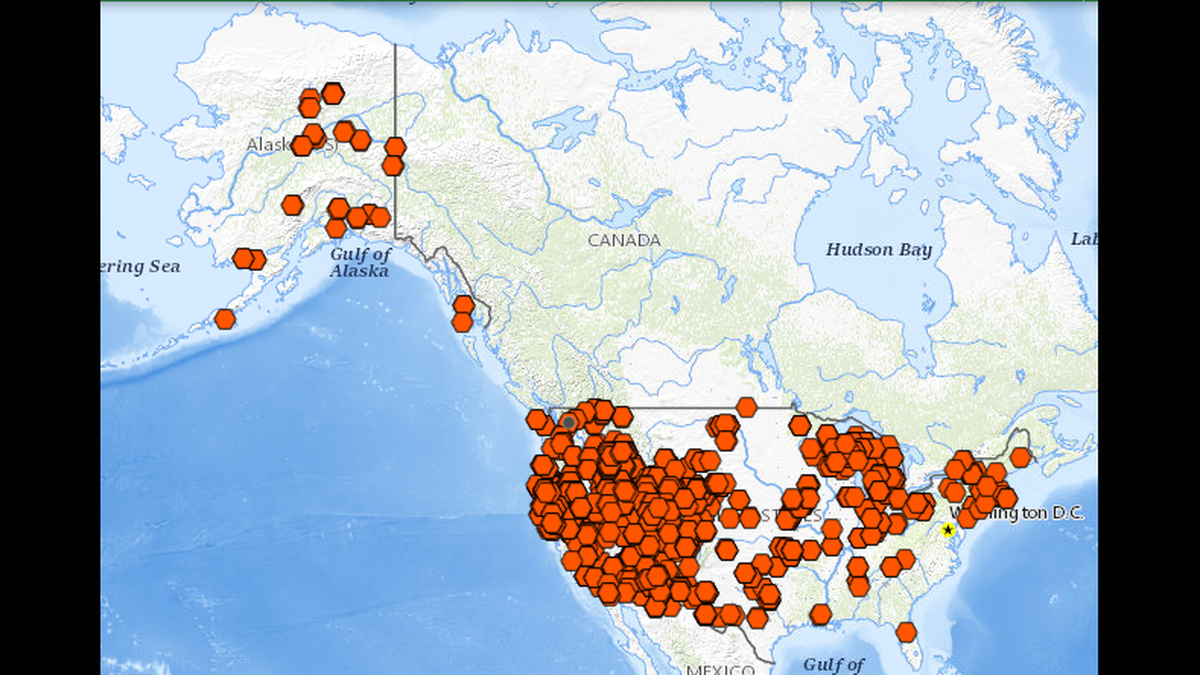
The change is in response to the U.S. Department of the Interior’s February proposal to remove the word, which was officially declared a derogatory term as a result of Secretary’s Order 3404, from Federal Lands. The Department announced a list of candidate replacement names for more than 660 geographic features with the word, initiated Tribal consultations and an opportunity for public comment to recommend and review proposed replacement names by April 25.
“Words matter, particularly in our work to make our nation’s public lands and waters accessible and welcoming to people of all backgrounds. Consideration of these replacements is a big step forward in our efforts to remove derogatory terms whose expiration dates are long overdue,” Secretary of the Interior Deb Haaland said in a February news release. “Throughout this process, broad engagement with Tribes, stakeholders and the general public will help us advance our goals of equity and inclusion.”
In 2019, The Nooksack Indian Tribe successfully advocated for the state to change the name of Sq___ Creek, a 4.3-mile stream located between Lynden and Sumas in north Whatcom County, back to its traditional name of Páatstel Creek.
In California, led by James C. Ramos, the first California Native American to be elected to the state’s assembly, lawmakers proposed removing the word from all geographic features and place names in the state earlier this year.
To respond to the Interior’s proposal, the Committee on Geographic Names, which typically meets twice annually, convened a special meeting March 7 and resolved to file a letter of comment with the Department of the Interior. After briefing the Board of Natural Resources at its April 5 meeting, the committee intends to meet April 7 in a second special meeting to finalize those comments.
The committee noted the Secretary’s efforts were “admirable” and aligned with their mission.
The 18 features, each bearing the word, are spread across 14 counties statewide:
▪ Sq___ Lake, Pierce County
▪ Sq___ Lake, Chelan County
▪ Sq___ Creek Ridge, Chelan and Okanogan counties
▪ Sq___ Creek, Clallam County
▪ Sq___ Island, Clark County
▪ Sq___ Peak, Columbia County
▪ Sq___ Spring, Garfield County
▪ Sq___ Creek, Jefferson County
▪ Sq___ Lake, Kittitas County
▪ Sq___ Islands, Klickitat County
▪ Sq___ Canyon, Lincoln County
▪ Sq___ Mountain, Okanogan County
▪ Sq___ Creek, Okanogan County
▪ Sq___ Valley, Pend Oreille County
▪ Sq___ Lake, Skamania County
▪ Sq___ Butte, Skamania County
▪ Sq___ Creek, Skamania County
▪ Sq___ Creek, Stevens County
Feedback can be provided to the Committee via email at bogn@dnr.wa.gov or at the April 7 special committee meeting.
This story was originally published March 31, 2022 at 5:00 AM with the headline "These 18 geographic features in WA include a derogatory word and now face a name change."