Facial ID for whales and dolphins? It’s happening. Here’s how it can help research in WA
The humpback whales traveling from Hawai’i and onward to their summer feeding grounds in the Bering Sea are about to become much more recognizable thanks to new facial recognition technology.
Researchers at the University of Hawai’i Mānoa have developed technology that can help identify 24 species of whales and dolphins, allowing scientists to follow individual animals accurately. The technology is based on human facial recognition software and can identify a marine animal by identifying characteristics such as scarring, pigmentation and size.
The study and development of the technology were led by Hawaiʻi Institute of Marine Biology Ph.D. student Philip Patton.
“From a conservation standpoint, it is really useful to be able to recognize the same individuals over time because you can see what areas the individuals use,” Patton stated in a University of Hawai’i news release. “You can also use this information to estimate population size and population trends.”
Although the technology was developed in Hawai’i, the continued tracking of whales and dolphins will help scientists better understand how these marine animals use Puget Sound during their yearly migration.
Every year as many as 10,000 whales migrate between the warm waters of Hawai’i to summer feeding grounds in the Bering Sea off the coast of Alaska. When the temperatures begin to dip, they return south to Hawai’i’s coastal waters, where they’ll give birth and continue to breed.
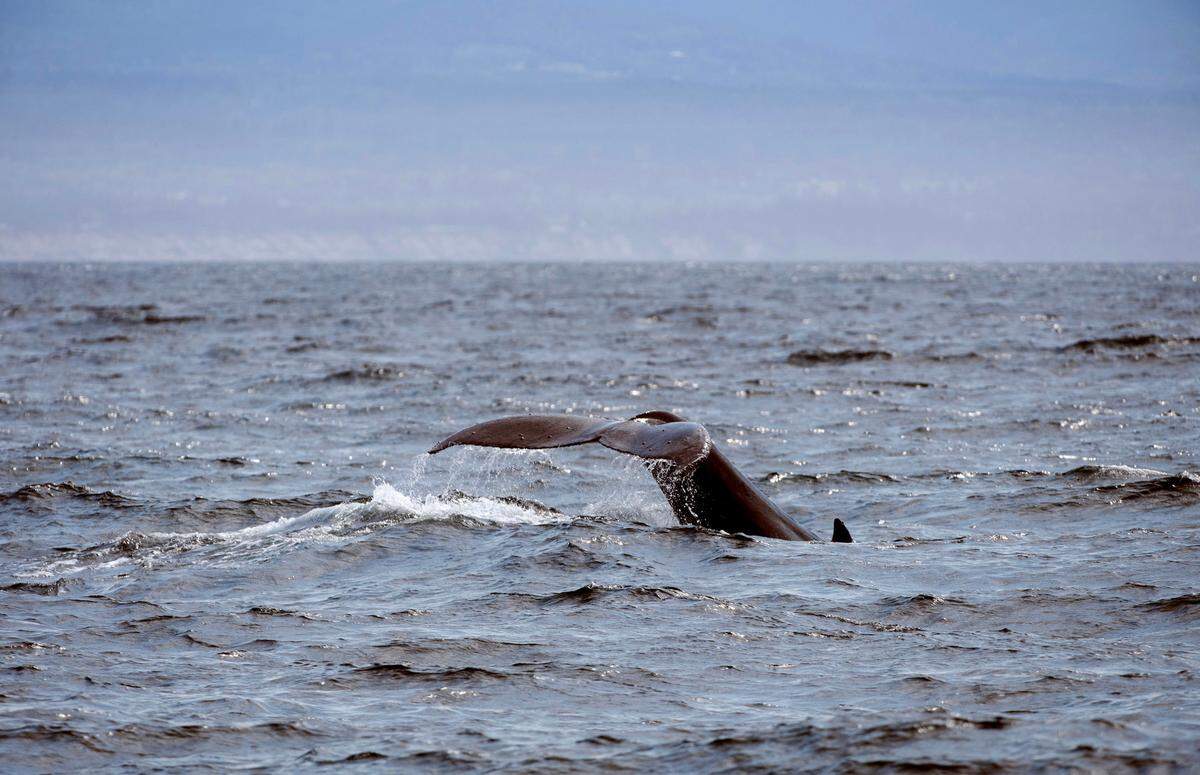
During this 3,500-mile journey, many whales will pass through or take a quick reprieve in Washington’s Salish Sea.
The facial recognition system will also help identify dolphins, another species that often inhabit the coastal waters of Hawai’i and the United States’ west coast. Dall’s porpoise dolphins were the only species seen in Puget Sound in the late 20th century, but over the past decade, other species, such as bottlenose and white-sided dolphins, have been spotted around the Washington coast.
The University of Hawai’i’s technology works by researchers taking photos of the animals and running them through the software to help identify which specific animal it is looking at. Doing so allows researchers to study social and migratory patterns in a non-invasive way.
“You can actually learn a lot of information from just recognizing the same individual over time and noting where you saw it,” Patton said.
Seeing Puget Sound whales and dolphins for yourself
Although the average Washingtonian won’t have access to the software, there are still plenty of opportunities to catch a glimpse of whales and dolphins in Puget Sound.
The Salish Sea is home to humpback, gray and minke whales and the aforementioned breeds of dolphins. The Orca Behavior Institute confirmed more than 1,200 unique sightings of killer whales in inland Washington waters in 2022, according to previous McClatchy reporting.
The website Orca Network also keeps track of recent whale sightings throughout Puget Sound.
The San Juan Islands in the Salish Sea are a prime whale-watching location. Puget Sound Express offers an eight-hour round trip from Port Townsend to the San Juan Islands, allowing riders to catch glimpses of Washington’s marine life.
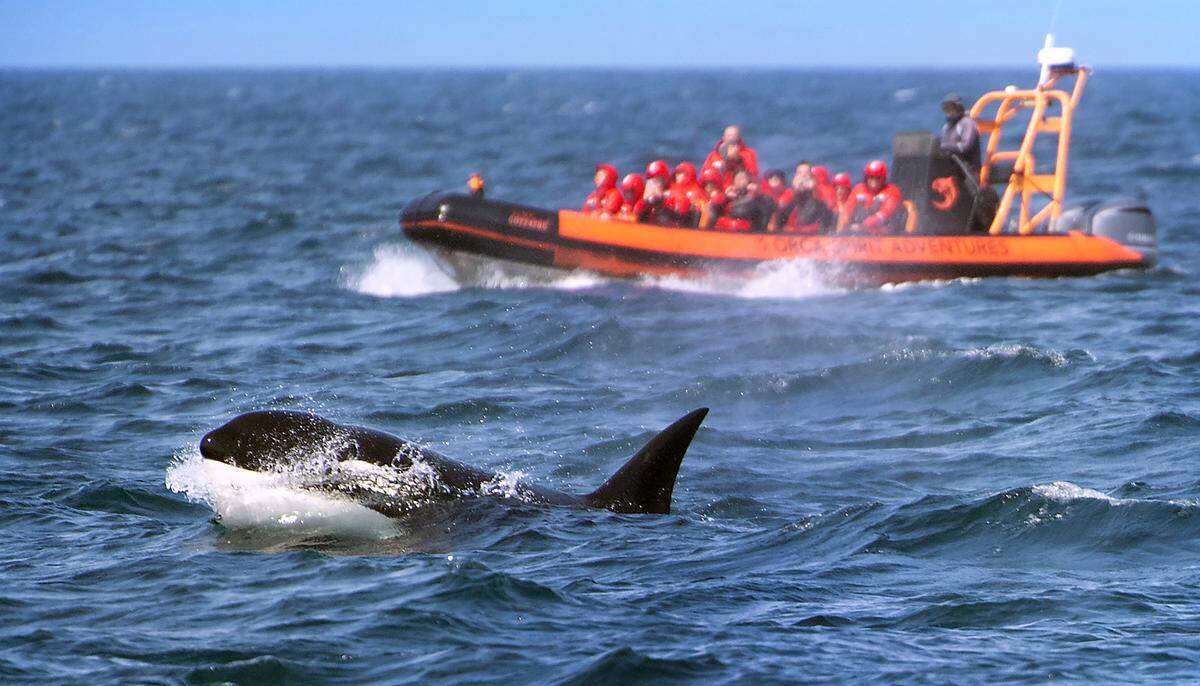
There is also the option of taking a one-way trip to the San Juan Islands and then participating in one of the many whale-specific watching services:
Outer Island Excursion: Three to four-hour trips on high-speed boats are available at Anacortes, Orcas and Lopez Islands.
All Aboard Sailing Whale Watch: A six-passenger boat that sails out of Friday Harbor.
San Juan Outfitters: A 10-person kayaking trip out of Friday Harbor that lasts over four hours.
Western Prince Whale & Wildlife Tours: A three-hour whale-watching tour out of Friday Harbor on a fast raft-style boat.
Deer Harbor Charters: Set sail from either Deer Harbor or Orcas Island for a three-to-four-hour search for killer, minke and humpback whales.
This story was originally published July 29, 2023 at 5:00 AM with the headline "Facial ID for whales and dolphins? It’s happening. Here’s how it can help research in WA."