Four things you should know before picking wild blackberries in Washington state
Wild blackberries are common across Washington state, but before you head down the road to start foraging, there are a few things you should be wary of before snacking on wild berries.
While blackberries are considered a noxious weed alongside many others in Washington and are highly invasive, many Washingtonians love to grab a bowl and pick some during the warm months.
Here are four tips to keep you and your family safe while picking wild berries:
Identify plants before you pick berries
Other berries in Washington state can be easily mistaken for blackberries, so it is extremely important to make sure what you are picking is a blackberry and not a more poisonous look-alike.
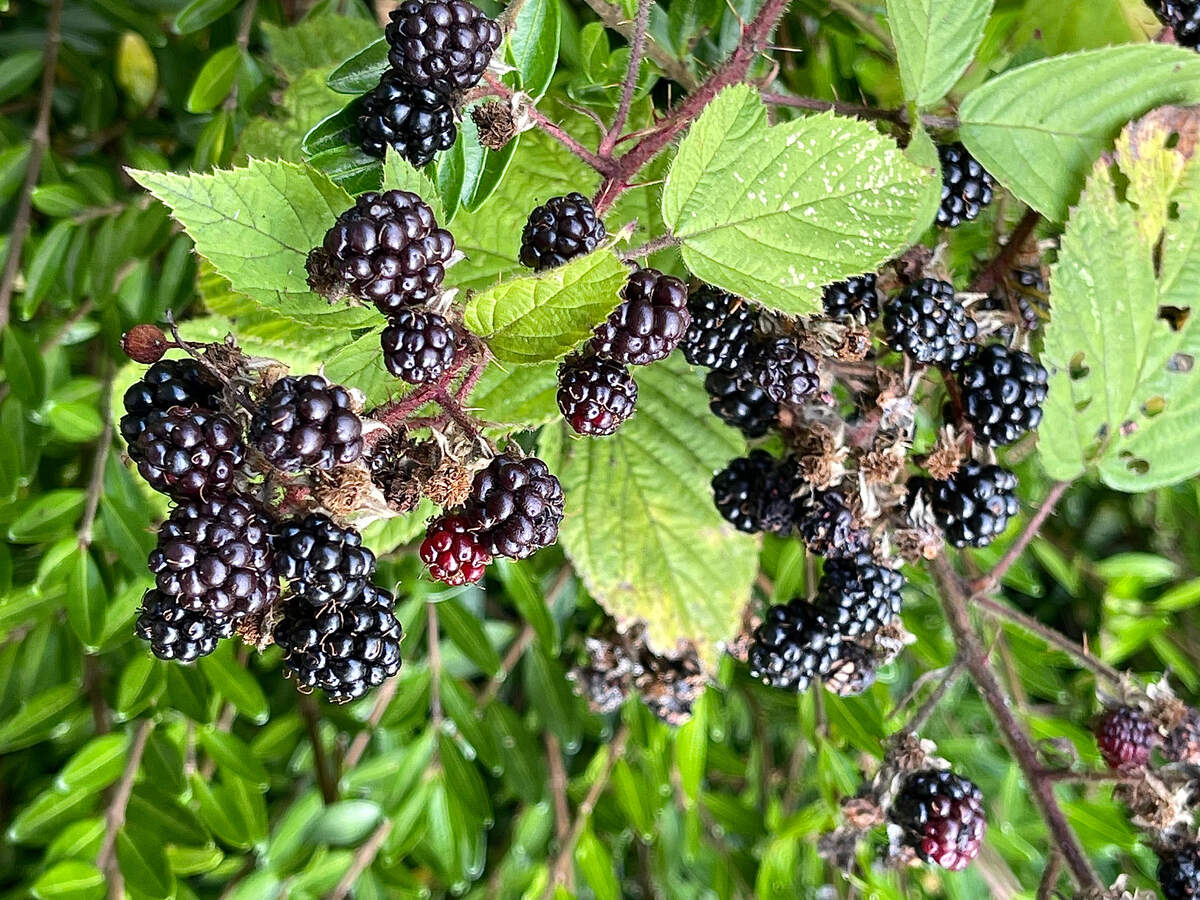
The University of Washington has put together a list of common edible Washington state berries, such as blackberries, black raspberries and huckleberries that all have similar coloring. Berries can be identified by their shape, color, leaves and peak season.
Blackberries are known for their dark color and bumpy texture, like that of a raspberry. There are three species of blackberries in Washington state, according to King County: the Himalayan blackberry, the evergreen blackberry and the trailing blackberry. All species of blackberries are edible.
Himalayan blackberries are large, thicket-forming shrubs with tall stems and thorns. Their leaves have toothed edges and their flowers are usually white or light pink and only about an inch in diameter. The evergreen blackberry plant resembles the Himalayan but has more ragged leaves. Trailing blackberry plants typically are shorter and grow along the ground.
Check to see if the berries have been sprayed
Blackberry bushes on the sides of roads or in a neighborhood may have been sprayed with weed killer, pesticides or other harmful sprays.
One thing you can do to avoid eating harmful berries is to reach out to your local department of transportation to see if roadside bushes have been sprayed.
If you see signs of plant damage near the blackberries, Oregon State University recommends using caution as the plants were probably sprayed with weed killers.
Be cautious of thorns and animals
While picking wild blackberries, there’s more to be cautious about than just thorns.
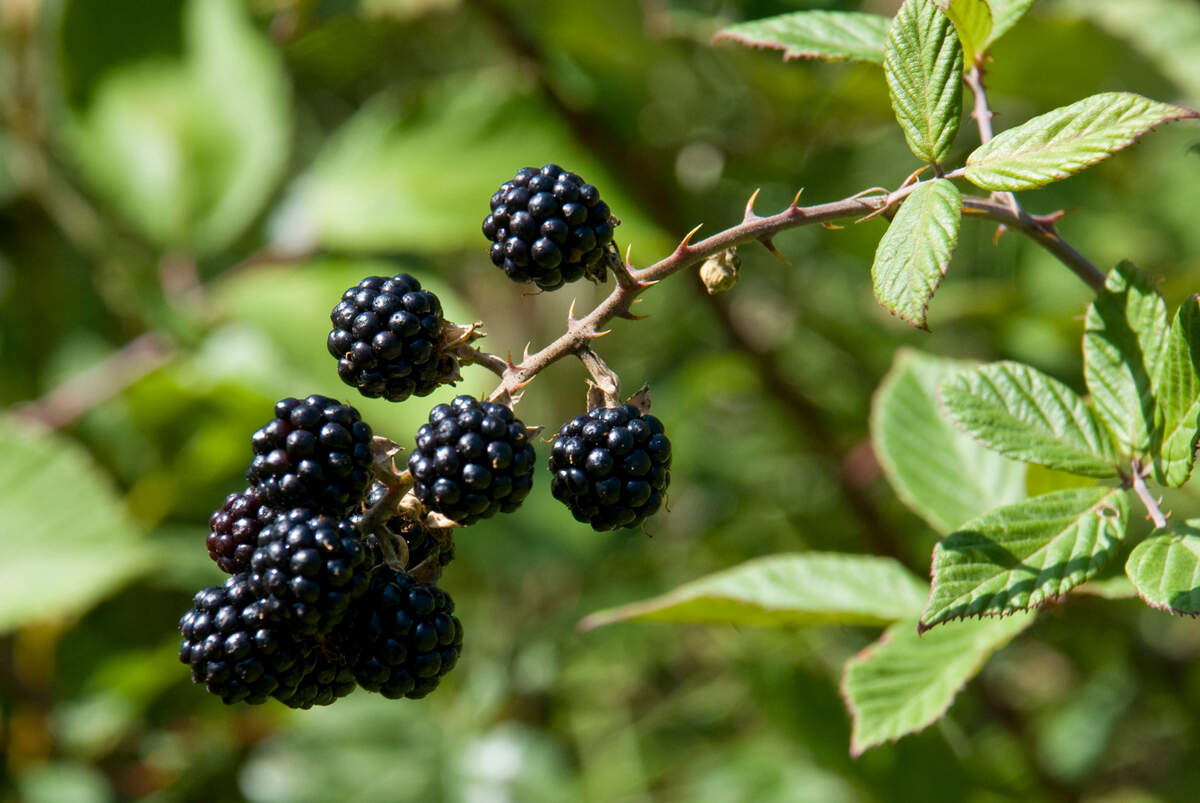
Animals such as mice, spiders and snakes could be hiding within bushes, or larger animals could also be snacking on the bush. The American Canyon Community and Parks Foundation advises you to make noise before starting to pick berries to scare off any animals.
Wash your berries before eating them
Washing berries before eating them can help save you from ingesting dirt, pesticides and other harmful substances.
In order to wash off pesticides and bacteria on berries, Taste of Home recommends washing berries with more than just water, and instead washing berries with salt water or vinegar.
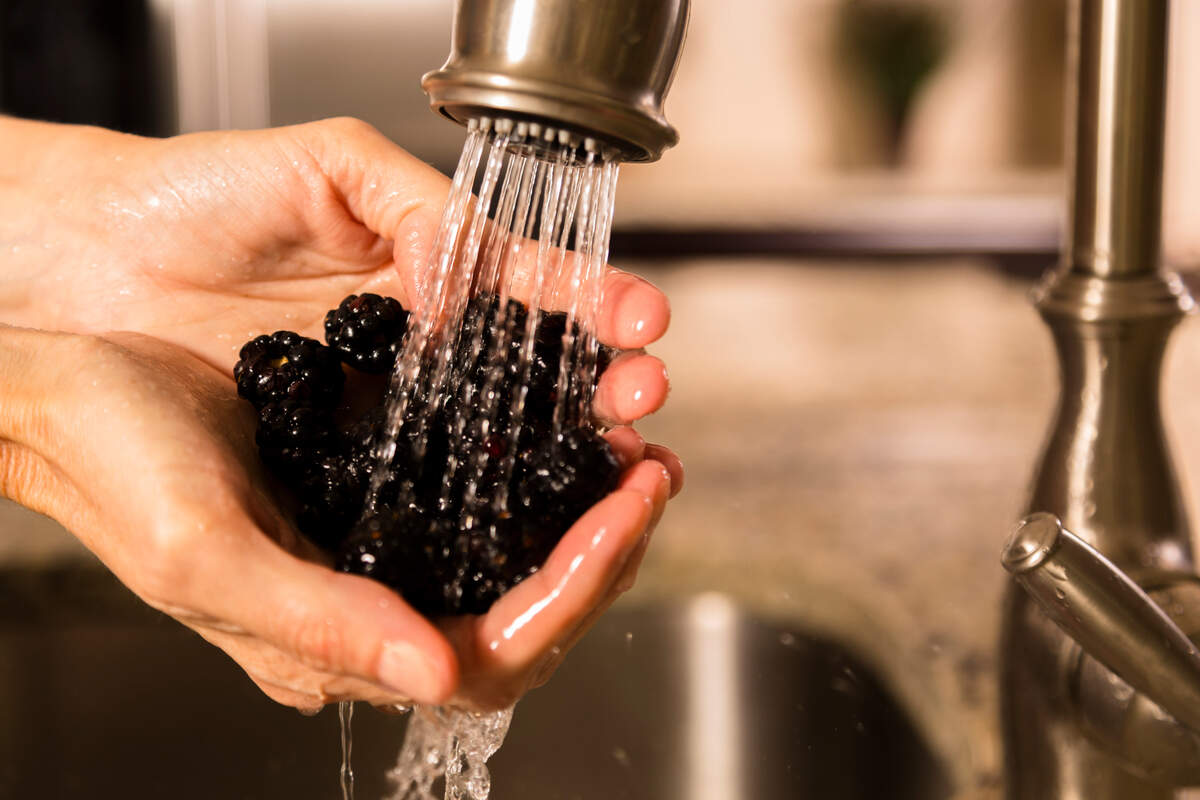
To have your berries last longer, Taste of Home also recommends waiting to wash berries until right before you are about to eat them and patting berries with a paper towel after washing.
This story was originally published August 31, 2022 at 5:00 AM with the headline "Four things you should know before picking wild blackberries in Washington state."