
Make donating blood a new tradition for the new year
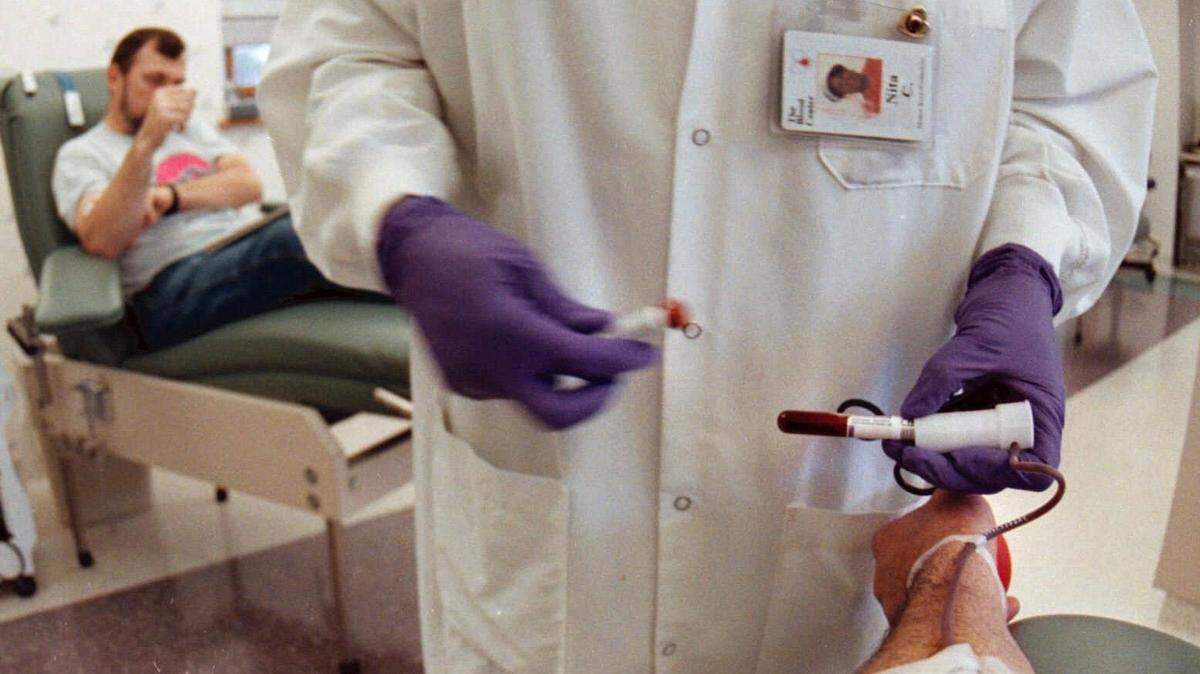
Although blood plays an important role in each of our lives, chances are, you don’t spend a lot of time thinking about it. January is National Blood Donor month, and has been since 1969, when Richard Nixon signed the day into law, expressing his praise for the generosity of the American people.
“No manifestation of this generosity of spirit is more expressive, and no gift more priceless in time of personal crisis, than the donation of one’s blood. The voluntary blood donor truly gives life itself,” President Nixon said.
In fact, while we go about our daily business, our blood is busy doing lots of tasks that are vital for us to stay alive and healthy. For example, blood transports oxygen from the lungs to every cell in the body, and it carries carbon dioxide from those cells back to the lungs, so that you can exhale it.
Blood also transports nutrients to the cells, hormones (as messengers to various places in the body), and waste from the cells to the liver, kidney or intestine. Blood regulates your body temperature, clots to help you heal, and carries your white blood cells, which play an important role in your immune system.
The amount of blood in the human body is roughly 7 percent of a person’s body weight. That means that an adult weighing between 150 and 180 pounds needs 1.2-1.5 gallons of blood.
Every year, roughly 6.8 million people give blood, and yet blood is always needed. That’s because someone in the United States needs blood every two seconds, on average, and depending on the circumstances may need multiple gallons. In addition to accident response, approximately 389,000 units of blood are needed in hospitals and emergency facilities to treat patients with cancer and other diseases, or for those getting organ transplants.
These numbers don’t include the blood that might be needed in our community to respond to a longer-term emergency or disaster.
Most people in good health, who are at least 18 years old and weigh at least 110 pounds can donate blood as often as every 56 days. That’s about six times a year. In addition, younger people (16 or 17 years old) who weigh enough can donate with permission from a parent.
People that are not eligible to donate blood include:
- Women who are pregnant
- People diagnosed with Chronic Fatigue Syndrome
- People who are sick with cold or flu (until they’re healthy again)
- People with HIV/AIDS, their partners, or those who are at high risk for HIV/AIDS
- People who have had, or currently have Hepatitis A, B, C or D.
A few caveats:
- People who have had cancer, or who currently have cancer, should speak with a donation specialist first, but in many cases are eligible to donate.
- People who have had a tattoo or piercing in a non-licensed (or unsterile) facility, or in a facility outside of Washington, Oregon, California or Idaho are required to wait a year before donating.
Giving blood is easy. Whether you choose to donate during a blood drive at a mobile unit, or go in to a center, you have the choice of dropping in, or making an appointment. To give blood in Thurston County, you can drop in at Bloodworks Northwest on Eastside Street in Olympia, or call 800-398-7888 ext. 2. Visit them online for more information: https://www.bloodworksnw.org/
Donors need a photo ID and you can expect some light refreshments after you donate. Consider beginning the new year with a new tradition of giving. Donating blood saves lives. There is no better gift.