
The joke will be on you if you rush to plant the wrong crops and flowers in April
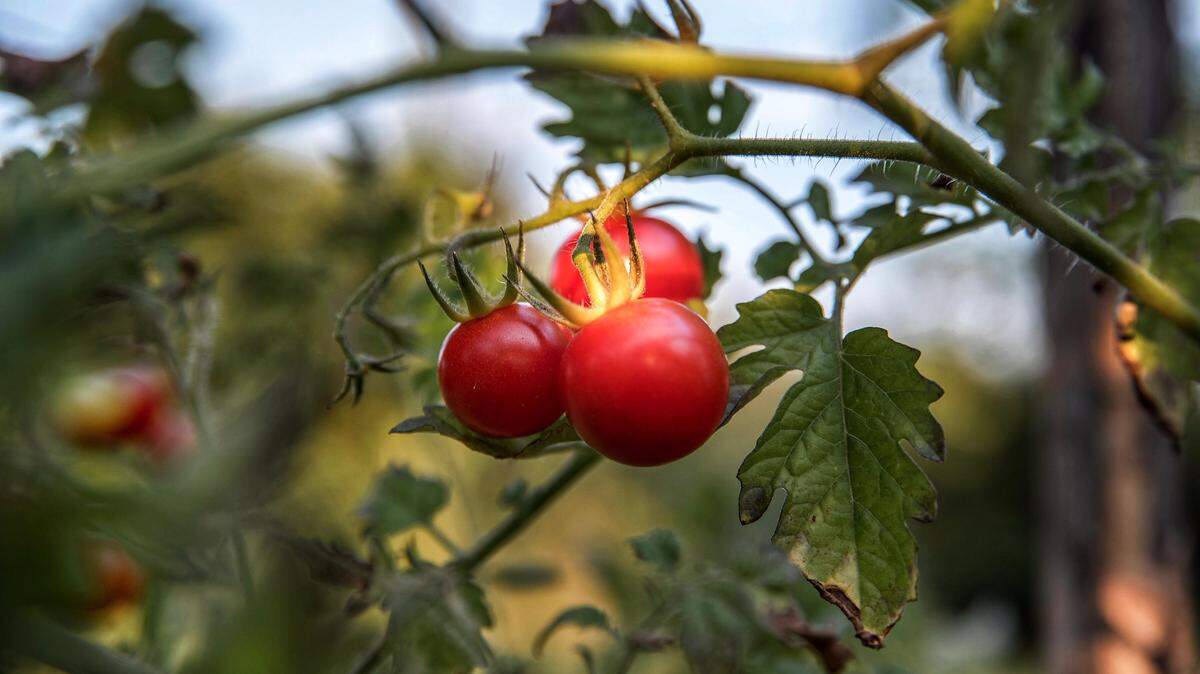
The beginning of April means April Fools will suffer when the joke is on them — if they try to rush the spring planting season.
Here in Western Washington we can have cold and frosty weather until mid May, so the warning this week is not to plant heat-loving and frost-sensitive plants this month.
Do not plant these outdoors yet
Here is a partial list of what not to plant or to leave sitting outdoors overnight without protection this month:
Vegetables: tomatoes, corn, squash, cucumbers, beans, eggplant and peppers, either by seed or as young plants.
Flowers: geraniums, marigolds, petunias, impatiens, coleus and other bedding plants or annual flowers that are sensitive to cold nights.
What can you plant now?
It’s OK to plant cool season crops such as lettuce, beets, peas, potatoes, leeks, onions, kale, radishes and other cool-season crops or some seeds if the packet says “plant in spring as soon as the soil can be worked.”
What does that mean? The soil can be worked when it is dry enough to not make a mud ball if a fistful of soil is grabbed and squeezed in your hand. In our rainy climate, the end of April may be when the soil is dry enough for planting seeds but if you have raised beds, potting soil in pots or a well-drained site, then the soil may be ready for planting this week.
Soil that is too wet can rot any seeds that you plant. Patience is needed in the spring.
Add spring color now – and give bees a chance
Pollinators such as hummingbirds, bees, and butterflies are out looking for blooming plants now. Local nurseries are now stocked with early flowering perennials and even some annuals that can be planted into your landscape and patio pots this week.
Rhododendrons such as the varieties PJM, Bubblegum, and Christmas Cheer, the yellow flowering forsythia and early blooming camellias can be transplanted from their nursery pots right into the ground. Perennial plants such as hellebores, pulmonarias, primroses and pansies will not only add color but also food for the pollinators.
You can also find potted tulips, daffodils, and hyacinths to pop into patio pots or enjoy on the front porch now, then transplant the bulbs with their browning foliage into the garden after the flowers fade.
Spring is here. It’s time to get growing.
Marianne Binetti has a degree in horticulture from Washington State University and is the author of several books. Reach her at binettigarden.com.