
Here are 5 tips for growing better roses in Western Washington gardens
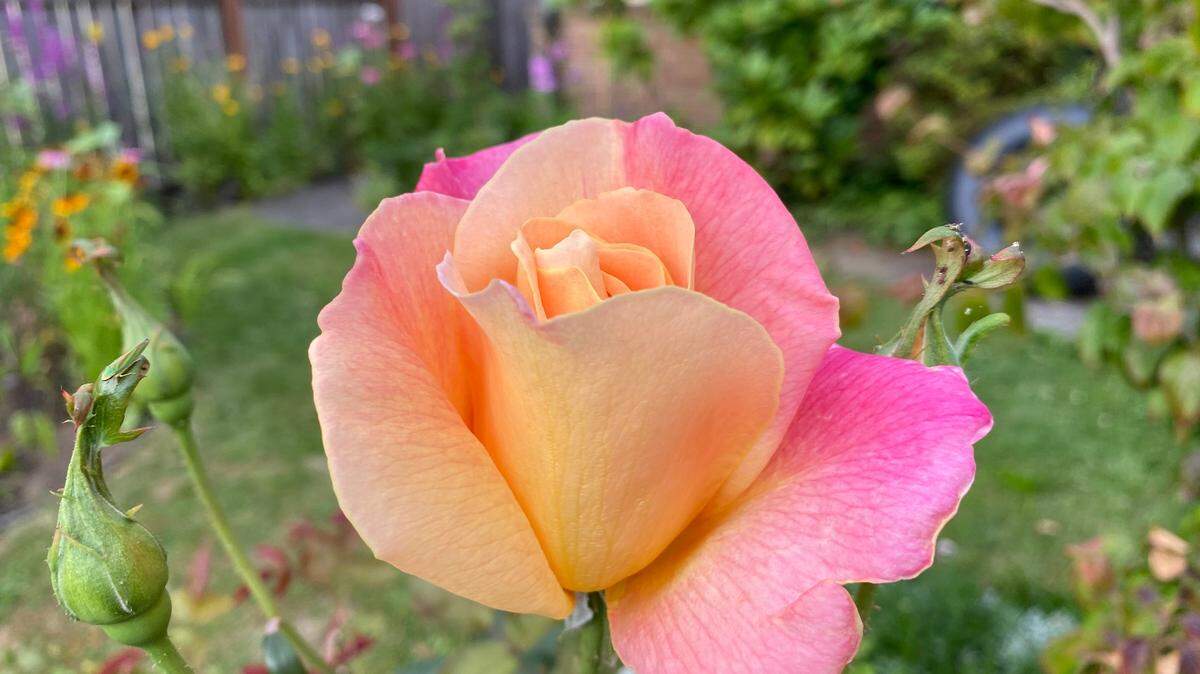
June is the month of roses, but that can be tricky in the cool, rainy climate of Western Washington.
Here are five tips that can promise you an easier-to-grow rose garden.
Be picky about what you plant
Disease-resistant roses such as Peace, The Flower Carpet Rose, Species roses, landscape roses, pink roses with no fragrance and some of the David Austin roses are more resistant to the black spot disease that thrives in our climate.
Need more ideas on disease-resistant roses? Ask what roses they recommend at your local nursery or contact the Seattle or Tacoma rose society.
Give your roses elbow room
Crowded plants are more likely to attract the fungus as a lack of air circulation increases the growth of bacteria and fungi. You can allow lower growing plants such as Lady’s Mantle, pulmonaria and ajuga to dance at the feet of taller rose plants but don’t make them share a bed with large shrubs or tall perennials as these can restrict the airflow.
Feed the hungry beasts
Roses are grown for their flowers, and to produce those luscious blooms they need a lot of fertilizer. Compost is good for the soil around roses and to add to the planting hole for roses, but compost is not a fertilizer.
Local gardeners recommend all types of different plant foods for their roses, from alfalfa pellets and Osmocote to Miracle Gro and rabbit manure. The best is one you will remember to use in early spring then again after the first flush of rose blooms.
Don’t let the roots dry out
Blame that flower production thing again. Roses like deep, long drinks of water, especially during dry weather. A rose that needs water will have a dullness to the foliage.
A mulch on top of the soil will help to seal in moisture but nothing beats scraping back the mulch and digging down at least 2 inches into the soil. If the soil is light in color and feels dry, you need to water. Avoid wetting the foliage as this encourages disease.
Keep cutting those blooms
Be a deadheader and get snippy with your rose plants to keep them tidy and blooming. Try to remove every faded flower before the petals shatter and drop to the ground.
For best indoor use, harvest your roses when the buds are just starting to open. The habit of daily cutting and harvesting of your roses is a simple way to enjoy your rose garden more. Daily visits also help you to check for disease and insect outbreaks and force yourself to — you guessed it — stop and smell the roses.
Marianne Binetti has a degree in horticulture from Washington State University and is the author of several books. Reach her through her website at binettigarden.com or write to her at P.O. Box 872, Enumclaw WA 98022.