
Is your garden made in the shade? Here are tips for growing under Northwest evergreens
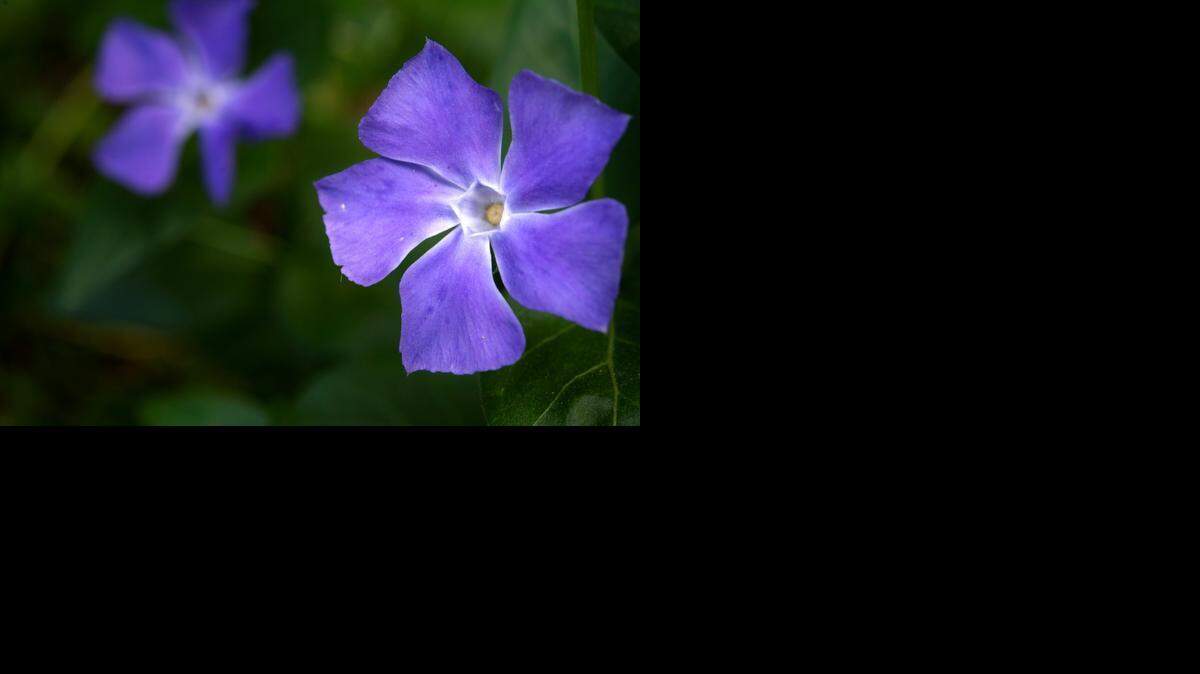
This time of year, some gardeners consider the advantages of shade.
Not every garden has it made in the shade, however — having large trees that provide shade also can cause problems with above-ground emerging root systems, as well as too many fallen leaves to cleanup in the autumn, and lawns that struggle to compete with extensive tree roots for moisture.
If you want lower water bills and more inspiration, you are invited to join my free Zoom talk “Made in the Shade” that will be offered through the Cascade Water Alliance at 7 p.m. Aug. 12. You can register for the webinar at https://cascadesummerseriesmariannebinetti.bpt.me/ A reminder and a link will be sent to you for the class. On the day of the class you just open the email with the link and click to enter the class. This will be a live event with garden images and Q&A.
Q. We have huge evergreen trees in our yard and everything I plant seems to dry up and die. What will grow near cedar and fir trees? — R.T., Puyallup
A. It’s time to turn over a new leaf as dry shade can be filled with lush plantings. Inspiration is all around us as native plants thrive under the canopy of our native evergreen trees. Sword ferns, salal, huckleberry and Oregon grape are a few of the attractive native plants that can provide yearlong color in a Western Washington landscape with dry shade. Japanese anemone, vinca, euphorbia, nandina and barberries are other options.
Q. I would like some color, as in flowers in my patio area, but a huge maple tree sucks all the moisture from the soil. I find it almost impossible to dig holes and add plants. Please help. — P.P., Tacoma
A. Stop digging and start gardening in containers to conquer the roots of your problem. Inexpensive but large containers such as recycled metal washtubs or other found objects make practical container,s and as long as you can add drainage holes to something that will hold soil and the roots have at least 12 inches of growing depth, you will have it made in the shade with summer color.
You will still need to water large containers but using a good potting soil and slow-release plant food means that impatiens, lobelia, begonias, coleus and other shade-loving annuals or bedding plants will thrive. You also can add perennials to containers in the shade for years of returning foliage and flowers. Japanese anemones, hosta, lamiums and even dwarf daffodils and hellebores can be grown in containers to light up the shade.
Q. I would like a weed-blocking groundcover for a very shaded area. Something low and evergreen would be nice. —T.N., Renton
A. The right groundcover for the shade depends on the size of the area. A fast-growing evergreen such as vinca minor with ground-hugging vines and spring blooms could work in a large space but could quickly overwhelm a small garden. Lamium “Beacon Silver” or “Aurea” are much easier to control groundcovers for small area. Both of these are drought resistant groundcovers that do well in shade. Local nurseries are your best source of plant material that will thrive in our area with little or no water.
Marianne Binetti has a degree in horticulture from Washington State University and is the author of several books. Reach her at binettigarden.com.