
Here are tips for gardening indoors during the dark Western Washington winter
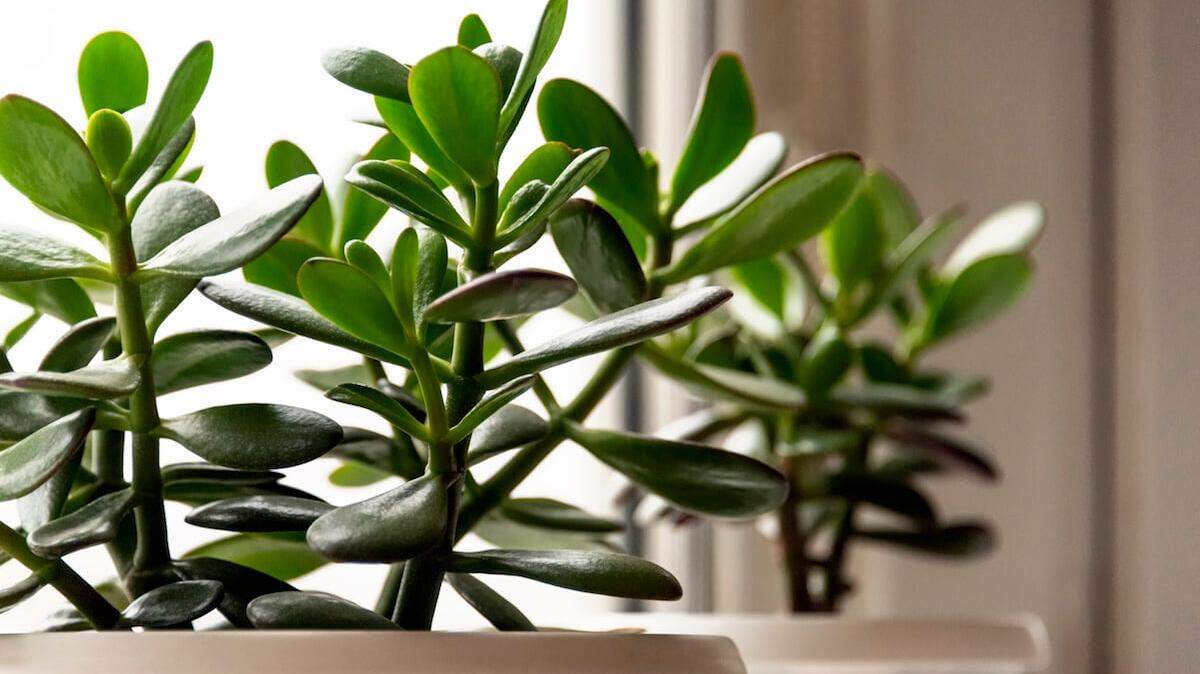
Now is a good time to consider your sills and skills and garden indoors.
The brightest windows that face south or west should be used for growing flowering houseplants that crave the most winter light. Windows that face north or east that get little direct sun can hold foliage plants with large leaves that can adapt to lower light conditions.
No windows? No problem! There are many houseplants that thrive on indoor lighting alone.
Here in Western Washington our short winter days mean that low-light houseplants do best. Dieffenbachias, pathos and philodendrons are easy to grow. If you want a blooming houseplant like an orchid, cyclamen, kalanchloa, or African Violet, purchase a plant that already has flower buds and it will continue to bloom indoors for weeks without the need for direct sun.
Q. I loved your Instagram post on creating a table centerpiece with houseplants. My question is how to water the different houseplants grouped into a basket when some are succulents needing very little water and some are African Violets or ferns that want moist soil? — J.J., Tacoma
Q. Creating indoor garden baskets is easiest if you leave each houseplant in its own pot and then hide the rims of the pots with a mulch of moss, rocks or even wine corks. You can use a large bowl, soup tureen or even a platter instead of a basket.
The general rule of green thumb is to poke your finger into the soil of any plant before you water. Succulents need very little to no water in the winter so don’t water these unless they show signs of shriveling. African Violets, ferns and some other indoor plants need soil that is kept constantly moist.
Grouping plants together benefits all plants as they share added humidity and your plant collection can be accented with small pumpkins or gourds, fall leaves and other signs of the season. Plants grouped onto one surface also are easy to move from table to counter to mantel top and then reconfigure with a change in the holidays.
Q. What plant food should I use on a large jade plant? It belonged to a family member for many years and I would like to keep it alive. — Y.T., Tacoma
A. Jade plants crumble and die most often from too much water during the winter months. When succulents like jade plants receive little sunlight, they start to go dormant and remain healthy only if if given no food or water.
Resist the urge to pamper your plant with food and drink until April or even May. Then use a slow release plant food such as Osmocote but fertilize at half the recommended amount. Water your jade when you see the leaves just starting to shrivel and don’t let the pot sit in drainage water. Your jade can live for many more years, often in the same pot.
Q. Are salal berries edible? — P.O., Sumner
A. Yes, but the berries have little taste and are full of seeds. Leave the berries for the birds.
Marianne Binetti has a degree in horticulture from Washington State University and is the author of several books. Reach her through her website at binettigarden.com or write to her at P.O. Box 872, Enumclaw WA 98022.