
Top 6 resolutions for 2022 for Pacific Northwest gardeners
The new year means new resolutions and in keeping with the spirit of self and garden improvement, here are the Top Six Garden Resolutions for 2022:
1. Death with dignity to ugly plants
Plants are not your children and you do not owe them a lifetime commitment. If they grow too big or ugly or they misbehave, you can kick them out. No room for guilt in the garden.
My garden: I yanked out an ugly rhododendron after pampering and putting up with it for 25 years. More room for better plants.
2. Zonal denial means you can try plants that aren’t supposed to thrive here
See a new plant you want to try? Maybe leave a houseplant outdoors all winter? Go ahead and be a bit daring with the recommended climate zone that might be on the plant label. You get to experiment with what horticulturists call “micro zones,” or the unique growing zones close to the house, next to a fence or tucked behind a wall. Global warming has some advantages.
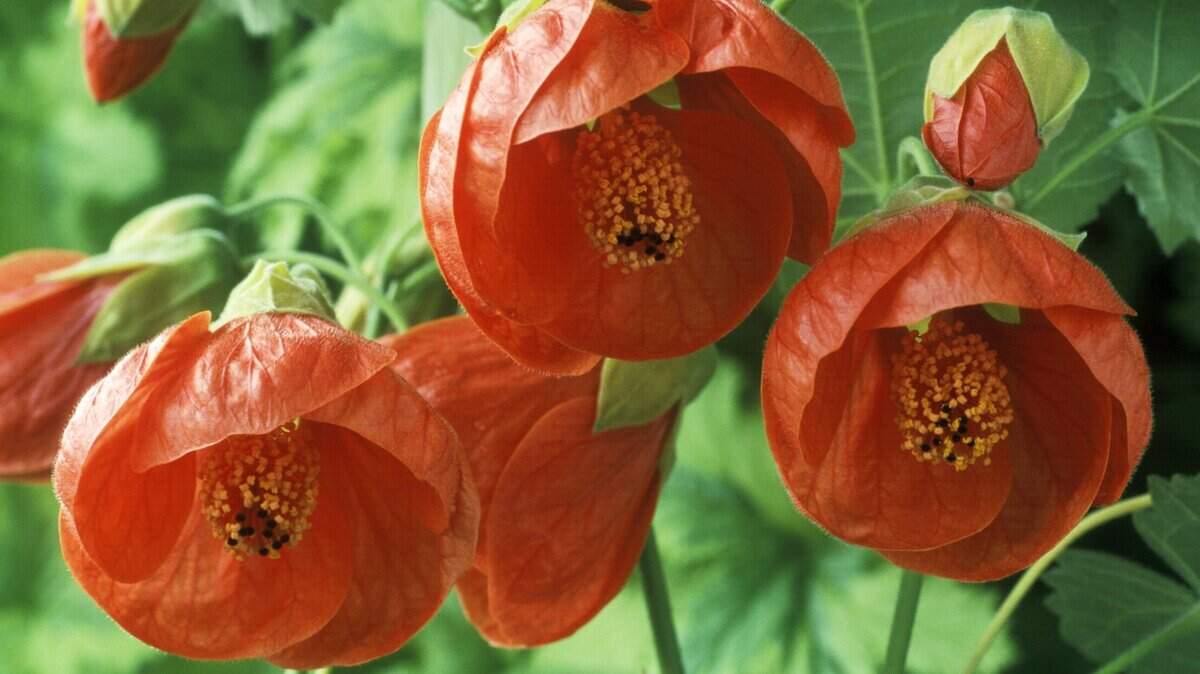
My garden: The abutilon, or flowering maple, is a tropical, tender plant and I do not have a greenhouse. I grow three different varieties in pots then just push them close to the house, under the eaves, in the fall. They have survived several winters and seem to adapt and grow more hardy each year.
3. Resolve to try new plant varieties
Many new and improved varieties from Proven Winners really do perform outdoors all winter. Go ahead and see if you are impressed.
4. Learn to love less lawn
Water worries and the desire to use fewer chemicals are two reasons to shrink the size of your lawn. Add stepping stones and groundcovers, or put in a paved patio, pond or garden shed.
My garden: My favorite lawn substitute in the sun is a combination of flagstones and low-growing creeping thyme plants. I do use scissors to cut the thyme away from the flagstones once a year and into the fall.
5. Mix it up. The more variety of plants you have, the happier Mother Nature will be
Pollinators need plants that flower from early spring to late fall. Birds need different types of winter berries for food and thorny shrubs for protection. If your neighbors plant junipers and azaleas, pick a shrub that offers blooms earlier in the spring such as forsythia or witch hazel and shrubs with winter berries like cotoneaster.
My garden: The early flowering perennial Pulmonaria is a star bloomer in my February garden, providing tube-shaped blooms for hummingbirds when there is not much out there for them to sip on.
6. Keep learning, keep growing
This month the Tacoma Home and Garden Show is back, and I’ll be speaking every day. This February means the return of the Northwest Flower & Garden show. You can also learn by becoming a Master Gardener, joining a local garden club, or diving into the garden forums and web pages online.
My garden: I’ll be speaking at the Tacoma Home and Garden Show Jan. 27-30 and one of the topics is “The Changing Garden” so I will be sharing all the ways maturing gardens and gardeners change over time.
Marianne Binetti has a degree in horticulture from Washington State University and is the author of several books. Reach her at binettigarden.com.
This story was originally published January 1, 2022 at 5:00 AM.