
How to coddle your worrisome houseplants during a Western Washington winter
You may not see daffodils in bloom just yet, but there is color to be had from early-blooming bulbs — even if you forgot to plant bulbs in the fall.
The nice way to fool Mother Nature and put your porch plantings into a spring mood is to purchase flowering iris, dwarf daffodils, winter pansies and primroses now and set these early bloomers still in their plastic nursery pots into your empty porch and patio pots. You can dig into the old potting soil and bury the potted daffs, pansies and iris or just set them on top of the soil and hide the nursery pots with sheets of moss that can be pulled from the trunks of trees or from boulders in your garden.
Gardening also moves indoors as this is good week to order and organize the seeds you want to plant indoors this spring and summer. Local companies such as Ed Hume Seeds will have racks with seeds, but do not plant the seeds until you read the instructions and tips on the package. Starting seeds too early will result in seedlings that belong in Las Vegas: tall and leggy as a show girl.
Q. I have a few houseplants that have stopped growing and look pale. These are my first houseplants and include a philodendron and a peace plant as well as a hanging pathos. Do they all need more fertilizer to keep them adding more growth? — C.S., Seattle
A. Mama Mia! Stuffing your houseplants with more food during the winter months is good for Italian mamas and papas but not plant parents in Western Washington. Our gray days and long nights mean your indoor plants are being forced into winter dormancy and they should be allowed their long winter sleep.
Hold off on fertilizer until April or May when the longer days will encourage new growth. Move your pale houseplants closer to a bright window so they can soak up more sunlight and they will be perking soon.
Two more tips:
- Do not let houseplants sit in saucers of drainage water,
- Feel the soil before you water. Plants drink less during the winter months.
Q. I have two pots of succulents. Both have a mix of succulent plants, and both look like the plants are dead. I was careful not to overwater and the pots I am using do not have drainage holes. I do have them near a window for sunlight. Please help. — H.S., Olympia
A. The tell tale sign of disaster here is that you used pots without drainage holes. Succulents need perfect drainage more than any other plants, so even if you are careful about not overwatering, indoor plants stuck in pots with no drainage holes will slowly suffocate.
If you just really love the pots, you can use them as a cachepot. This means you put the plants in a smaller pot with drainage holes, add some pebbles to the bottom of your decorative pot and sit the smaller pot inside your decorative pot. You still need to make sure your potted plants do not sit in drainage water, however. When you do water, either bring the plants to the sink so you can soak the soil then let it the pot drain, or if you leave the plants in place, empty the cachepot after you water.
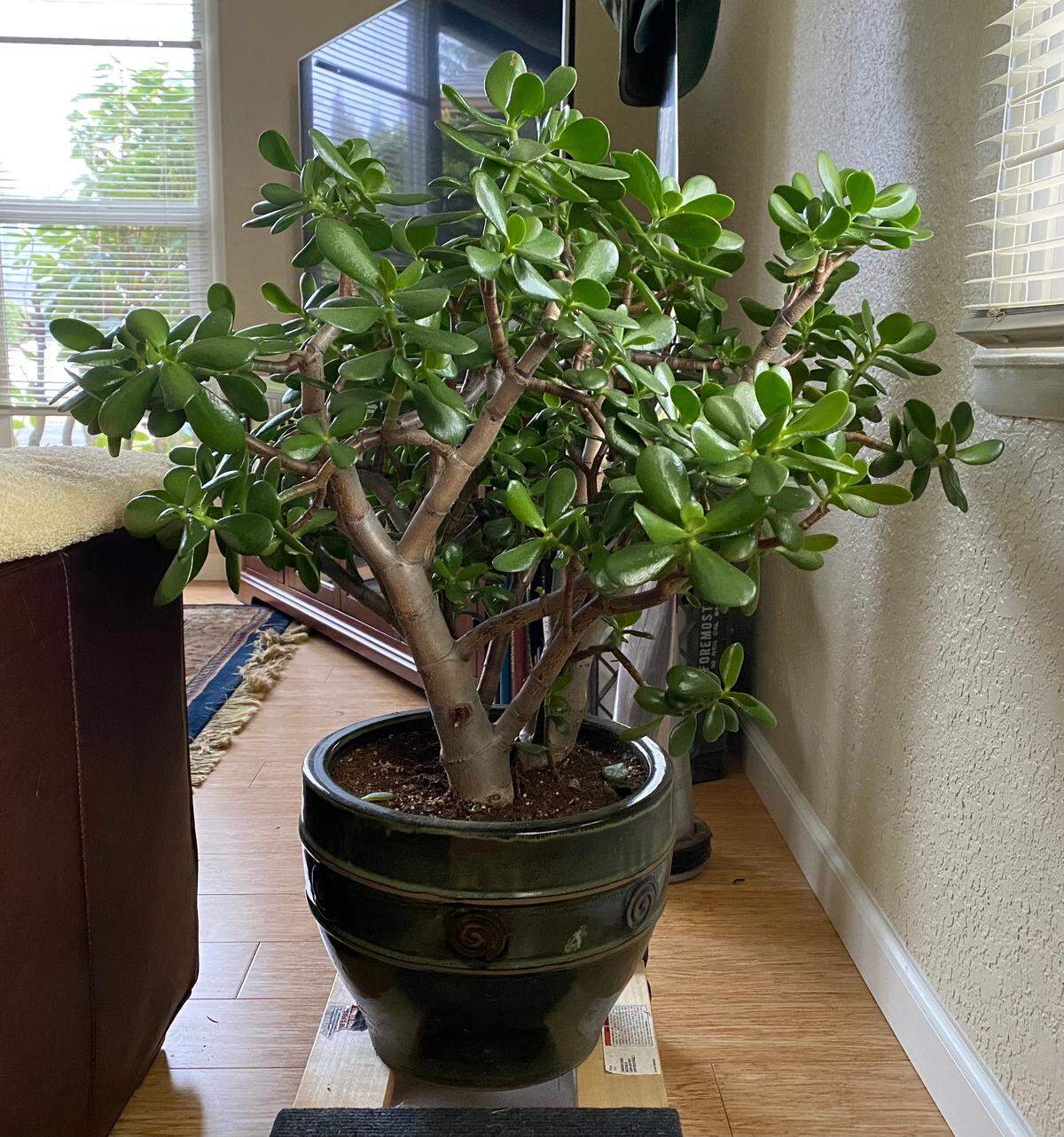
Q. How often should I water my jade plant? — L.D., Tacoma
A. Not often. Maybe once a month from May until October and then not at all during the winter months. Each growing situation such as size of pot, sunlight and type of potting soil determines when to water, but jades are succulents and store water in their leaves.
Succulents do best with no water during their winter dormancy, and then water only when you poke a finger into the soil and it is very dry to the touch.
Marianne Binetti has a degree in horticulture from Washington State University and is the author of several books. Reach her at binettigarden.com.
This story was originally published January 22, 2022 at 5:00 AM.