
10 tips for adapting as the climate changes and gardeners age
This is a good time to purchase spring blooming bulbs like daffodils and tulips as soon as you see them for sale.
You can store bulbs in a paper bag until you have time to plant them, but don’t forget where you store them. You need to plant bulbs before the end of November to give them the best change of growing roots before winter sets in.
September is also the best time to dig and divide iris and to fertilize the lawn.
Next week, I will be giving a Zoom talk on “The Changing Garden and Changing Gardener: Tips for climate change and senior gardeners to refresh the landscape.” It’s a benefit for the Master Gardeners program. In it, I’ll offer 10 tips for adapting to changes ahead. Here’s a preview.
1. Accept our warmer summer weather. Collect large umbrellas to shade your hydrangeas and hostas during extreme heat. Better yet, replace wilting hydrangeas with heat tolerant Pee Gee hydrangeas. Consider adding a shade structure to your patio as well.
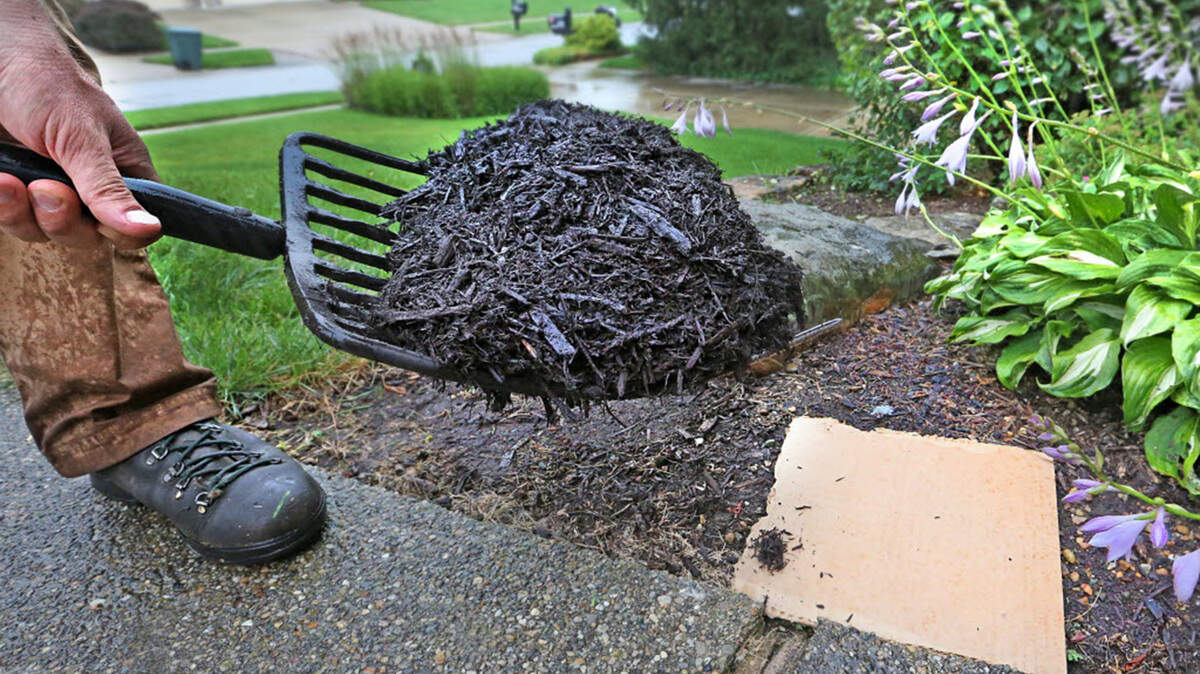
2. Add a layer of mulch on top of your soil. This will seal in moisture and keep the sun from heating up the soil.
3. Put drought-resistant yuccas, sedums and succulents in containers. They’ll do OK if you aren’t around to water on hot summer days.
4. Shrink your lawn. As your shrubs grow larger, cut out more of the lawn to make the beds wider. By planting more drought-resistant shrubs like spiraeas and barberries, you’ll have less pruning and less mowing.
5. Learn to use a “winged weeder” or sharp hoe for weeding while standing up. Hide the uprooted weeds behind your shrubs. Uprooted weeds can act as organic mulch until you get around to gathering them up for the compost pile.
6. Incorporate trip prevention. Learn to use a hoe or small shovel as a cane or support system while walking in the garden.
7. Chose pruning tools that are easier on the joints. A ratchet hand pruner makes a series of small cuts so it takes less hand strength to cut a branch. Hedge trimmers and pruning tools can be purchased that are powered with rechargeable batteries and are lightweight.
8. Take steps to avoid back injuries. Dig holes with a hand trowel while kneeling or sitting on the ground. Take your time when planting and avoid jerky movements.
9. Get an expandable hose. Put drought resistant salvias in containers and water your pots with a lightweight expandable hose — but don’t leave your hose laying around to trip over.
10. Hire help for the spring clean up and to apply a mulch. You will be amazed at how much less watering and weeding your landscape requires if you get rid of weeds in the spring and mulch before the end of May.
Join Zoom class on ‘The Changing Garden and Changing Gardener’
You can support the Master Gardeners by registering for a Zoom class on this topic at www.mgftc.org Here is how it works: You go to the website and register for the Zoom class by paying a $25 fee. Then you will be emailed a link for the live class that will be held at 6:30 p.m. Thursday, Sept. 15.
If you have never done Zoom, don’t worry. You just click on the link and follow the instructions. The class will be done using PowerPoint so you will see gorgeous gardens on your computer screen while hearing the live seminar.
Then to reward you for your donation, a random drawing will give prizes to audience members — including a visit to my garden, plants and other gifts. There will also be a Q&A session after the seminar.