
Here are the top 5 reasons you should plant spring-blooming bulbs in the fall
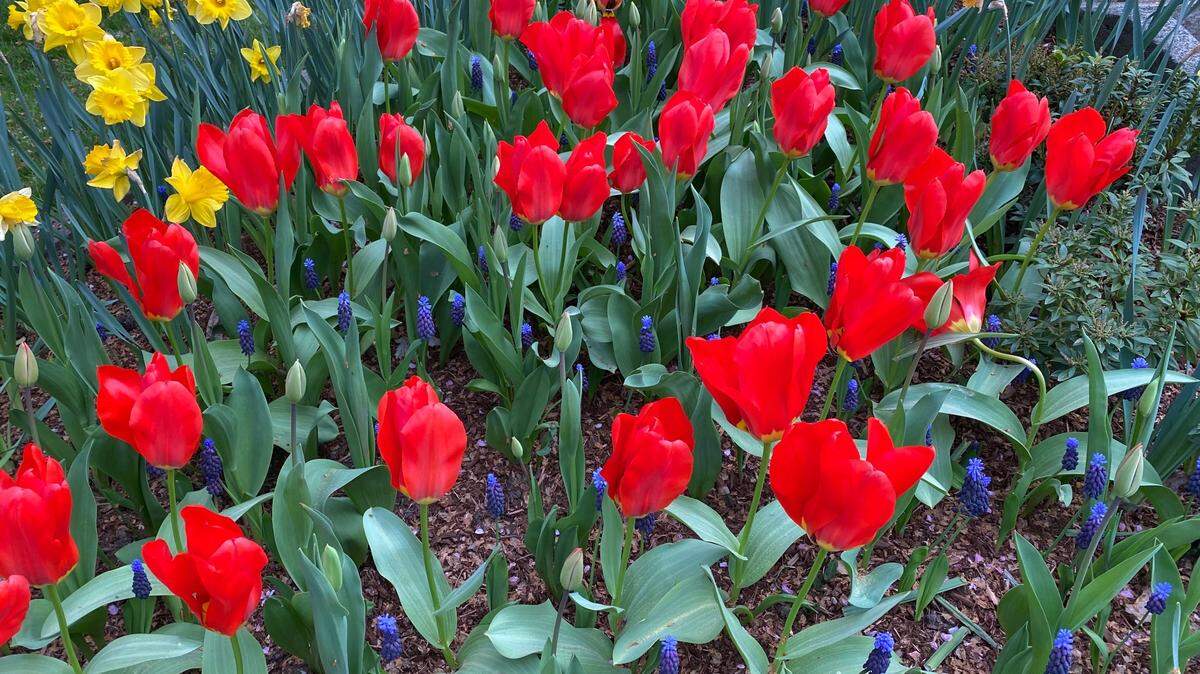
The beginning of October is the time to imagine a beautiful spring. Planting spring flowering bulbs now will reward you with a petal-powered performance in six months, after the long, dark winter.
If you have been disappointed in bulb planting in the past, or just never dug into the whole bulb thing before, here are the top five reasons to plant bulbs this fall:
1. Bulbs don’t need extra water or fertilizer
Rainfall alone is enough to make them happy, and the flower inside the bulbous packet is already formed so there is no need for plant food at planting time. If you are concerned about your summer water bill, rejoice in the fact that most spring-blooming bulbs will return most reliably if they are allowed to spend summer in very dry soil. So your tulips, daffodils and crocus will actually do better if you don’t water the area in the summer.
2. Bulbs attract and feed pollinators
Moths, butterflies, hummingbirds and all the bees and wasps need more spring-blooming flowers to sustain them after the long winter. And the world needs more pollinators. Two essentials of modern life — coffee and chocolate — must have pollinating insects to produce a crop. Home-grown veggies from tomatoes to zucchini require the services of pollinating insects for a high yield. Help out the farmers in our state from orchardists to berry growers and plant for pollinators. (Then appreciate your imported coffee and chocolate.)
3. Bulbs can be grown in containers, so no yard or shovel needed
One lazy gardening trick I use every fall is to uproot the petunias and verbenas in my porch pots, loosen the soil then plunk in spring flowering bulbs. Sometimes I go for a mix, adding daffodils to the center of the container planted 7 inches deep, tulips to the outer edges six inches deep then shallow-planted crocus just a few inches from the top layer of soil. I will top off this planting with fresh potting soil or even a few inches of bark chips and leave the pots on the porch all winter where the rain will keep the soil moist. In spring I enjoy a few months of color as the crocus, then daffodils and finally the tulips take their turn in bloom. (In late May, these potted bulbs are uprooted as I get the pots ready for summer annuals.)
4. Bulbs can be planted to resist deer, voles and mice
If you struggle with sharing your budding tulips with the deer, then outsmart them by planting unpalatable bulbs such as daffodils, grape hyacinth, snowdrop, winter aconite and the tall, impressive ornamental onions or alliums.
5. Bulbs will lessen the winter of your discontent
You don’t need a therapist to understand that humans do better when there is something to look forward to. Rain, inflation, rain, COVID, rain, politics, rain and everything else the world throws at you can be tempered with the thought that spring is coming. You will see the eager, green noses of your fall-planted bulbs poking up from the soil in very early spring, just when you think you can’t handle another month of winter weather.
Spring’s gift is the blooming crocus, snowdrops, daffodils, tulips and alliums. So dig in and start planting.
Marianne Binetti has a degree in horticulture from Washington State University and is the author of several books. Reach her at binettigarden.com.