
Love some of your summer plants? Here are tips for helping them survive the winter
The last half of October is the time to check your list of autumn garden chores to get done before winter sets in.
Be sure to fertilize your lawn with a slow release fall and winter fertilizer, divide crowded perennials such as hosta, iris and daylily, cut back the yellow foliage of peony plants to prevent overwintering disease, and continue to rake leaves from the lawn that can block out sunlight and leave bare spots.
This is also a good week to consider overwintering some of your favorite summer plants. Many blooming plants we use in porch and patio pots during the summer can be saved over the winter with a bit of protection and then used again next summer. The recycling method to use depends on what type of plant you are trying to save, how cold and wet our winter is and what type of storage you have available.
Here are some overwintering strategies that have worked for me over the years – but winter warning here – some years plants survive better than others. Gardening is an adventure and there are always a lot of factors to consider when the plan is to reuse and recycle a plant that is usually considered an annual.
Move half hardy, potted plants under cover
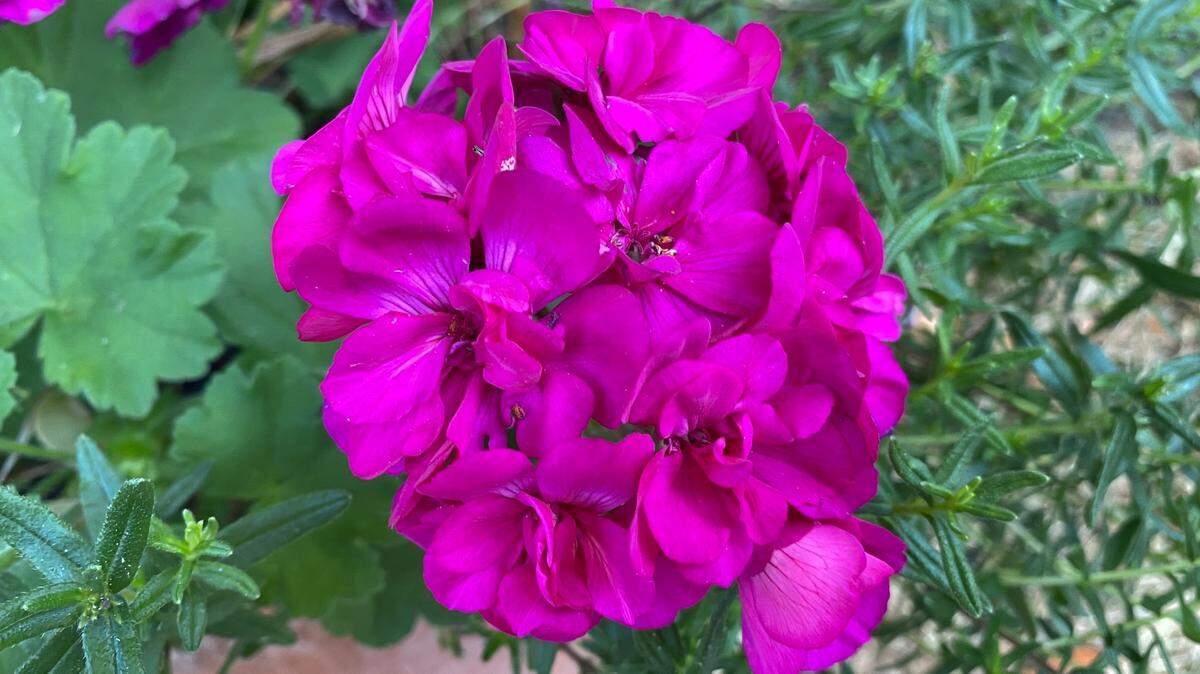
Tough survivors such as geraniums, phormiums, abutilon and sages will survive a typical cold winter in Western Washington if the container that holds them is moved under the eaves of the roof line or to a covered porch or patio. It is the rain that rots them more than the cold that kills them.
Don’t cut the plant back in the fall as pruning stimulates growth. The goal is to force these half hardy plants into dormancy with soil on the dry side so they can sleep away the chill of the winter season.
Tip: Create a protected pocket by shoving the potted plants under a patio table that is covered with a waterproof table cloth or tarp. As long as you keep out the rain and wind and offer a bit of light, your half hardy plants have a chance at survival.
Store bulbs and corms in a garage, basement or shed
Dahlias, begonias, gladiolas and other tender bulbs can be dug up from the ground or removed from their containers and stored in a cool, dry location. Shake off most of the soil and allow the tubers or bulbs to dry a bit by letting them sit in a box inside the garage for a few days. Then to prevent the roots from drying out completely, place them in a paper (not plastic) bag and store in an obvious spot so you will remember to check them about once a month. If the bulbs or tubers look dry and shriveled, sprinkle some water into the bag but leave the bag open to prevent mold.
There is no need to dig up lilies or peonies as these tuber are winter hardy in our area.
Some plants just need to be brought indoors
Heat loving, tropical plants such as coleus and tender fuchsias will not survive the winter even in a frost-free location. These will need to be moved indoors and enjoyed as houseplants. If they grow too tall, you can take cuttings from the mother plants, root them in water and replant in the spring for an encore performance.
Tender succulents such as Echeverias should be kept very dry, near a bright window indoors for the winter.
Gardening is a gamble, so just grow for it
There are many other plants to experiment with and other ways to overwinter plants in our climate.
Some local gardeners uproot their geraniums and string the plants up in the rafters of a shed. The roots survive (sometimes) and the plants are cut back and repotted in the spring.
Tender bulbs have been stuffed into pantyhose and hung from hooks in the ceiling. Porches and covered patios can be turned into makeshift greenhouses by adding the wind protection of clear plastic tarps.
You can also protect dahlias and cannas by cutting back their tops in October, leaving the roots in the ground but covering the soil with water-repelling sword fern fronds or a plastic tarp. An oil cloth table cloth makes a good cover for tender bulbs left in the ground.
Mother Nature has the final say about who lives and dies over the winter, but by taking just a few steps of protection you may defy the winter death that awaits some of your favorite plants.
Marianne Binetti has a degree in horticulture from Washington State University and is the author of several books. Reach her at binettigarden.com.
This story was originally published October 15, 2022 at 5:00 AM.