
The dos and don’ts of winter care for indoor plants and living Christmas trees
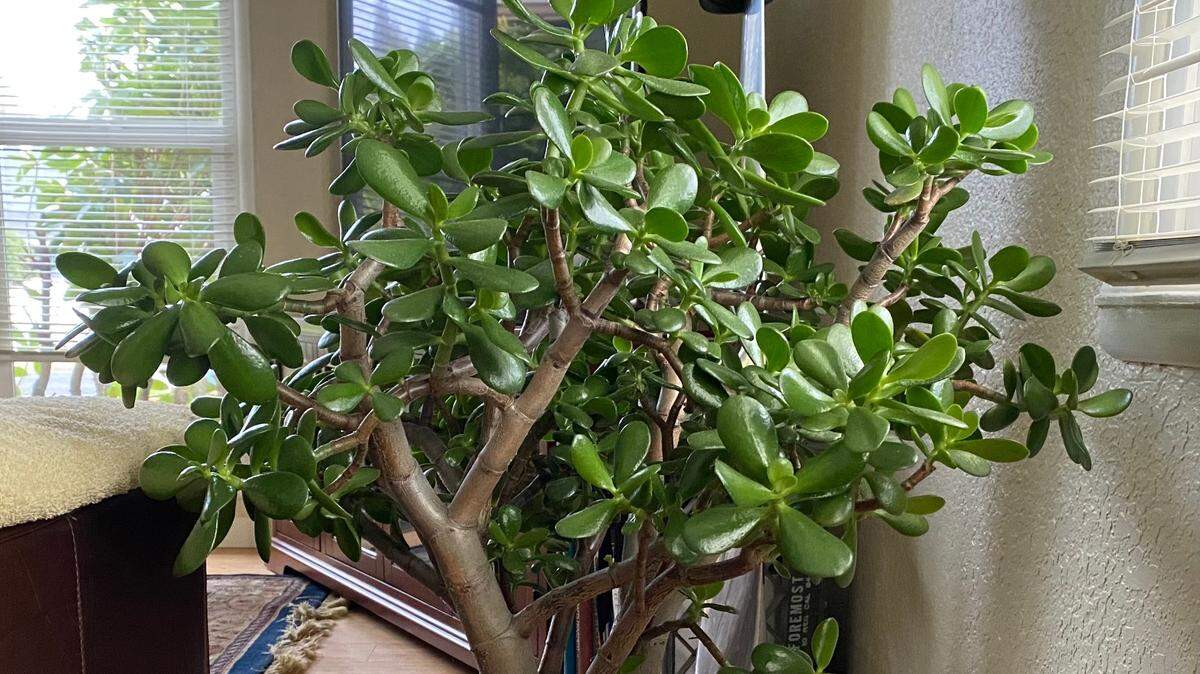
As the holidays and shortest daylight hours arrive, it is time to give your houseplants a vacation from fertilizer. All plants will take a winter nap when there is less sunlight and there is no need to disturb their peace with a forced feeding.
Consider also that most indoor and even outdoor potted plants do best when the soil is kept on the dry side when they are dormant. This does not apply to plants in flower such as orchids and poinsettias or other gift plants. The most important indoor plants to keep dry during the winter are cacti, jade and other sedums and succulents you bring under cover or indoors to overwinter.
One tip for deciding when to offer a drink is to consider the holidays each month of winter and feel the soil and offer a bit of water only if the soil is very dry to the touch. That means check the soil around Thanksgiving, Christmas, and Valentine’s Day. Otherwise, leave sleeping plants alone.
Q. I would like to order some of the water-storing containers you were using on stage at the Northwest Flower and Garden show last year. Please tell me where to get them and if they will arrive in time for Christmas. I have a daughter that has given up on potted patio plants because she says she cannot remember to water them. I am hoping for a Christmas miracle. —D.D., Tacoma
A. I do know where to order the self-watering containers we used at the NWFG show. It was a company owned by its employees called Gardeners Supply. I do not work for this company and so do not know if they can deliver before Christmas. You can visit their website and find all types of gifts for gardeners at www.gardeners.com. But be warned. Once you visit this site, you suddenly will discover all types of tools, pots, watering aids and other gardening gizmos you find that you cannot possibly garden without.
Q. Where would I find a living Christmas tree to purchase and use inside my home for the holidays? I would then like to transplant this tree into my landscape. I live in the Tacoma area. — T., Email
A. I would recommend a local independent nursery for your best chance of finding a potted evergreen tree that can be used in the landscape. In your area I am only familiar with the larger nurseries such as Watson’s and Todd’s in Puyallup and Windmill in Sumner, but I am sure there are many more that will be open with staff that can recommend a variety that will suit the space you have outdoors.
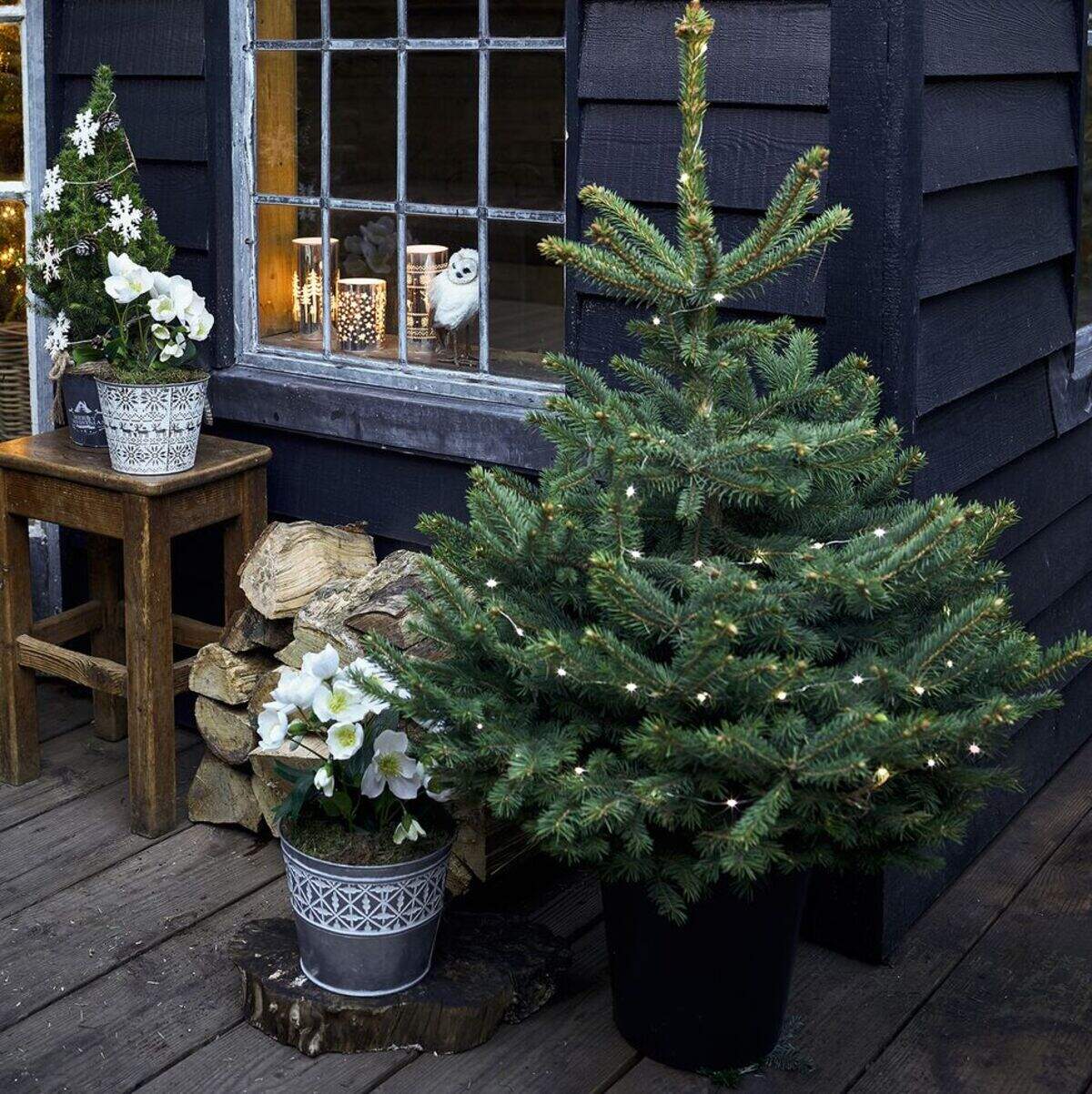
But don’t be a grinch and expect your potted fir, cedar or pine tree to survive indoors for more than just a couple of days. A living tree forced to adapt to indoor temperatures will wake up from the warmth and then suffer when it is placed outside in the cold after Christmas. A better idea may be to set the potted evergreen on a porch or patio and decorate it where you can enjoy if from indoors while it sits in the cold each night.
Make sure the roots never dry out and your potted tree can even wait until spring to be planted out in the landscape.
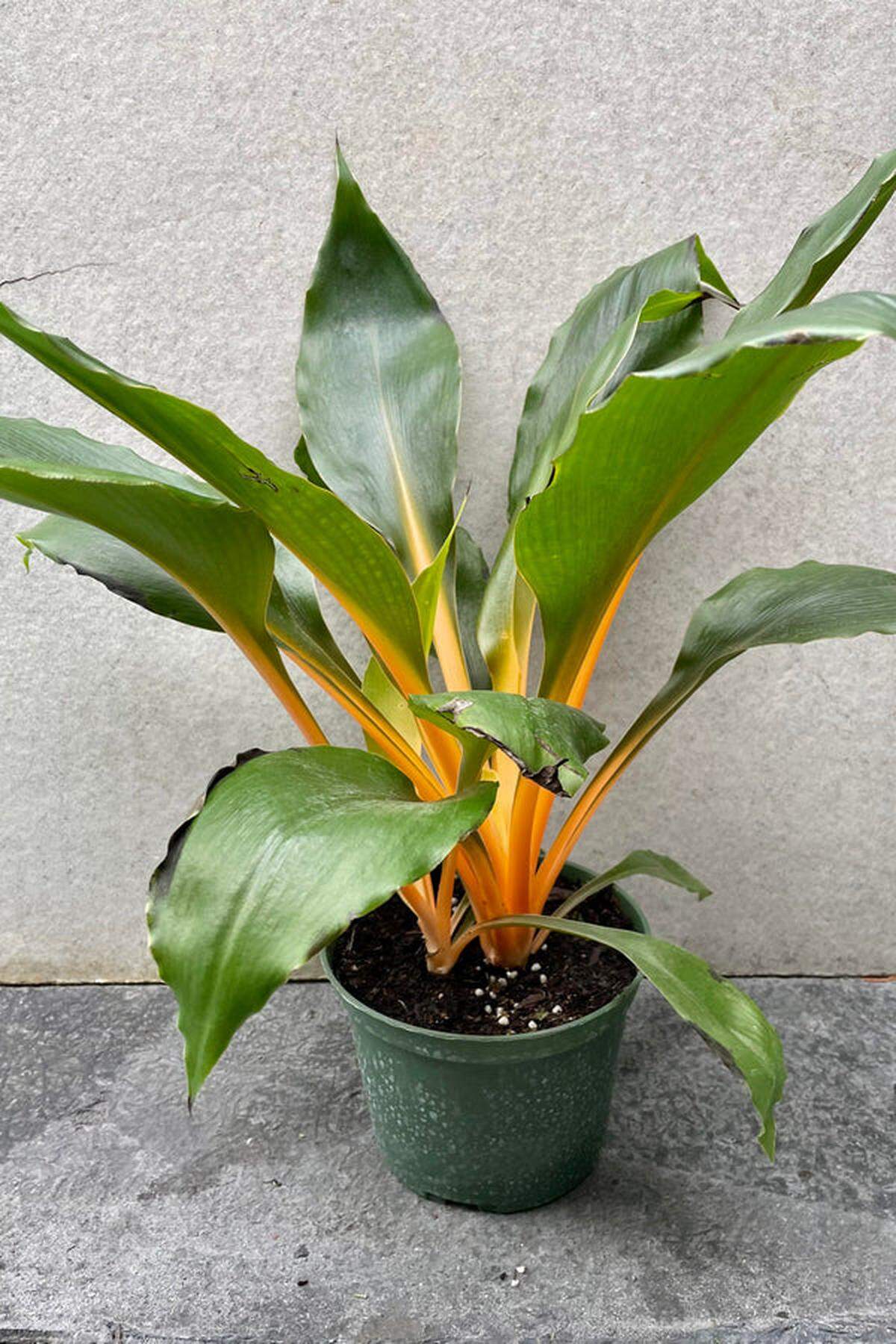
Q. Help! I was given a very unusual houseplant with orange stems. It is not a coleus, it is a foliage plant and all I know is that it is called the Mandarin Plant. The green leaves are long and broad like a Ti plant with an orange stripe from the leaf stalk running up the middle of each leaf. Please tell me how to care for this beautiful indoor plant. — P.O., Olympia
A. I love the common name of this relatively new houseplant. Mandarin plant is so much more descriptive of the beautiful orange petioles than the botanical name of Chlorophylum amaniense.
The good news is that this is a very easy-to-grow indoor plant as it does well in low light. It stays compact at under 1 foot tall and is adaptable and forgiving when it comes to water. It likes to be watered when the top 2 inches of soil are dry.
One thing the Mandarin Plant is picky about is fluoride in the water. If your water is fluoridated, the leaves could turn brown on the edges. Use bottled water or filtered water free of fluoride if the leaves begin to turn brown.
Designers love this new foliage plant because the rich orange color looks great in terra cotta, copper pots and woven baskets.
Marianne Binetti has a degree in horticulture from Washington State University and is the author of several books. Reach her at binettigarden.com.
This story was originally published December 10, 2022 at 5:00 AM.