
Here are some unusual blooming bulbs to consider planting now to add to your spring landscape
There’s still time to plant spring flowering bulbs. Daffodils are the most practical bulb to plant in our climate as they are deer- and rodent-resistant and the dwarf daffodil varieties flowers as early as February. Crocus and snowdrops bloom even before the daffodils and can spread into lovely clusters of early spring bloom.
For dramatic beauty, the tulip bulb planted in groups of 10 to 12 will give maximum color impact. If you deal with moles or voles, plant tulips in containers now to place on your porch or patio once spring arrives.
A few garden chores that need to be done in October include cutting back and digging up any tender dahlia or canna corms you want to overwinter. Just wait until the leaves turn yellow, cut the stems to the ground and lift the tubers from the earth using a large garden fork or some careful digging. Next wash or brush away the soil and allow the tubers to dry out a bit on sheet of newspaper inside a shed or garage. After a few days you can cut up large tuber clumps and store them in paper (not plastic) bags where they will be kept cool but not freezing until it is time to replant in May.
If, like me, you are a lazy gardener, you can gamble with your dahlias and cannas by trying the no-dig method. Cut the yellow tops to the ground then cover the spot with a tarp or sword fern fronds to keep out the winter rains. If you have good drainage and a mild winter, your tender tubers will sprout from the ground in early summer and soon catch up with those tubers that were carefully dug, stored and replanted.
Are you ready to break from a rut and add some interesting and unusual spring blooming bulbs to the landscape. Here are some bulbs that bloom outside the box of the traditional spring flowers, but very much inside the circle of fun and fashionable flowers. These bulbs can be planted up until December in our climate and your reward will be unusual beauty this spring.
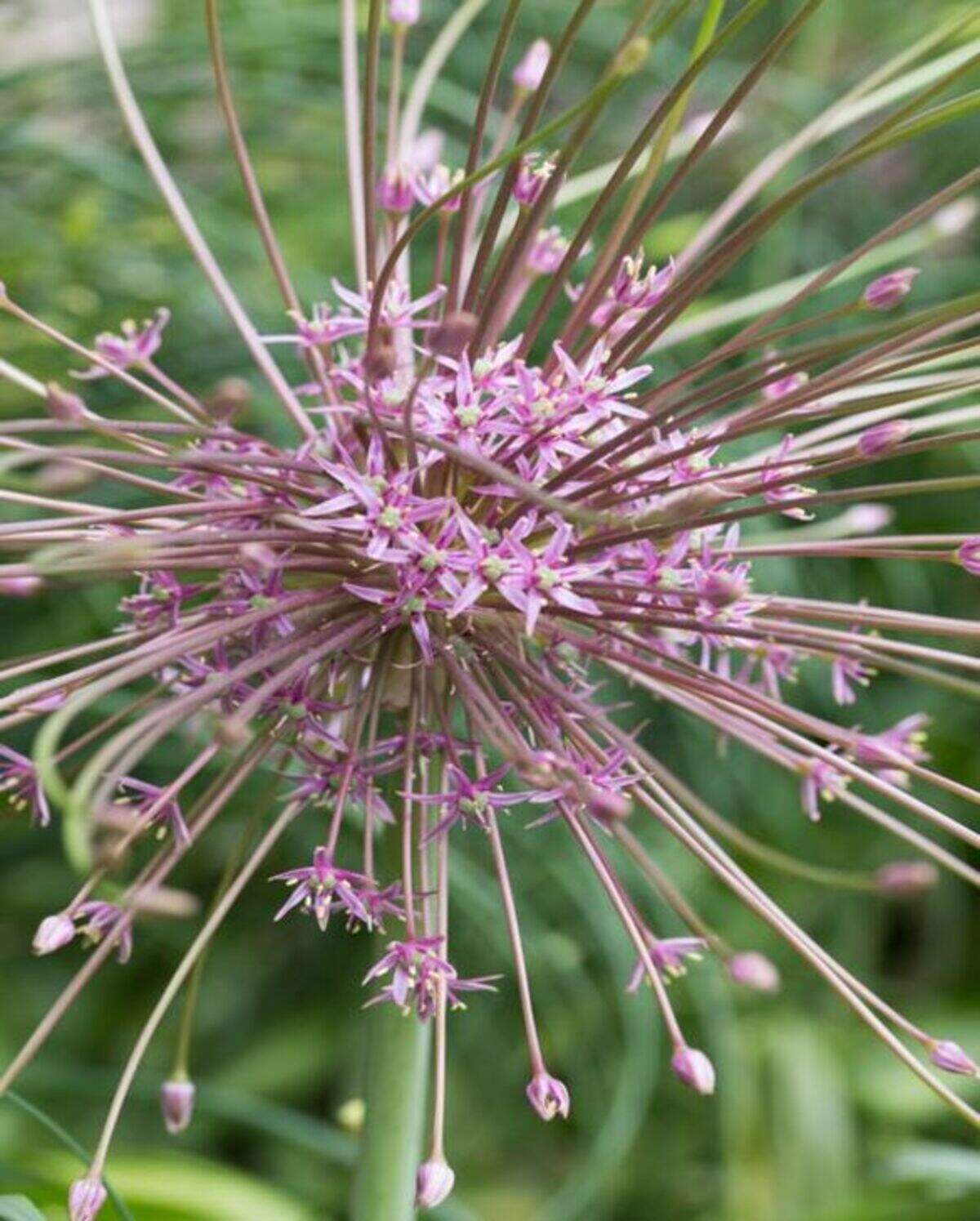
Allium Schubertii
All alliums, or flowering onions, pack a punch with their globular blooms on tall stems, but this variety has an “out of this world “ look about it with spidery heads of rosy purple flowers. The flowers will dry to brown after they bloom but why not be different and spray paint the dried flower heads? You can leave the wacky blooms in the garden or add the fresh flowers to arrangements for an arresting design. Keep the name of this bulb close by as everyone will want to know what you call such an unusual bloomer.
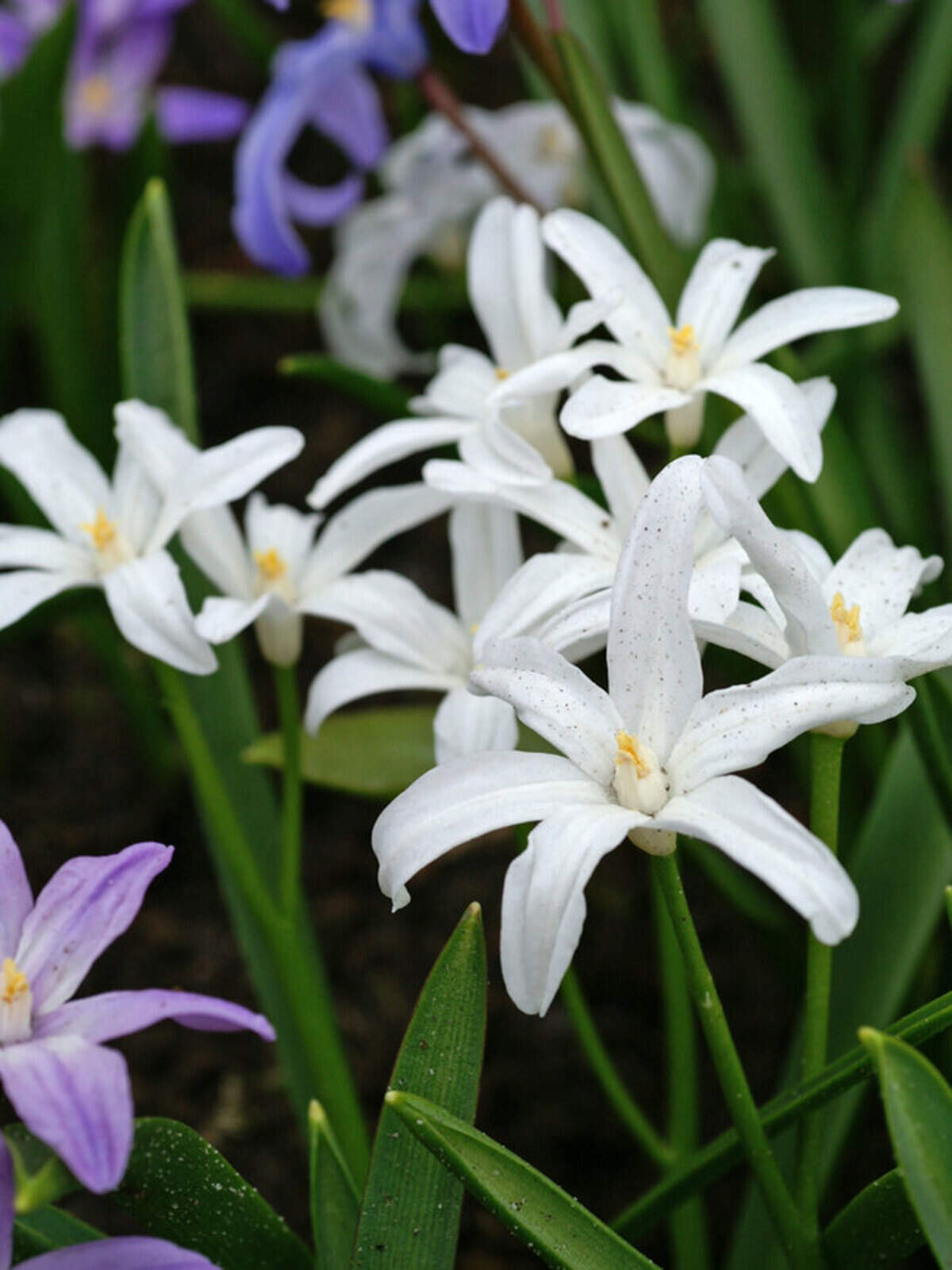
Glory of the Snow (Chionodoxa)
An early bloomer and low-growing bulb is deer- and rodent-resistant and has rather perky lavender blue flowers with an open, unusual star shape. Unlike the larger bulbs like alliums, this small bulb is inexpensive and easy to plant as you don’t need to dig deep. Plant in drifts of 25 to 30 bulbs beneath maples and other deciduous trees and shrubs and watch this March blooming bulb spread via bulblets and seeds all about the garden. Early bloomers are great for pollinating insects.
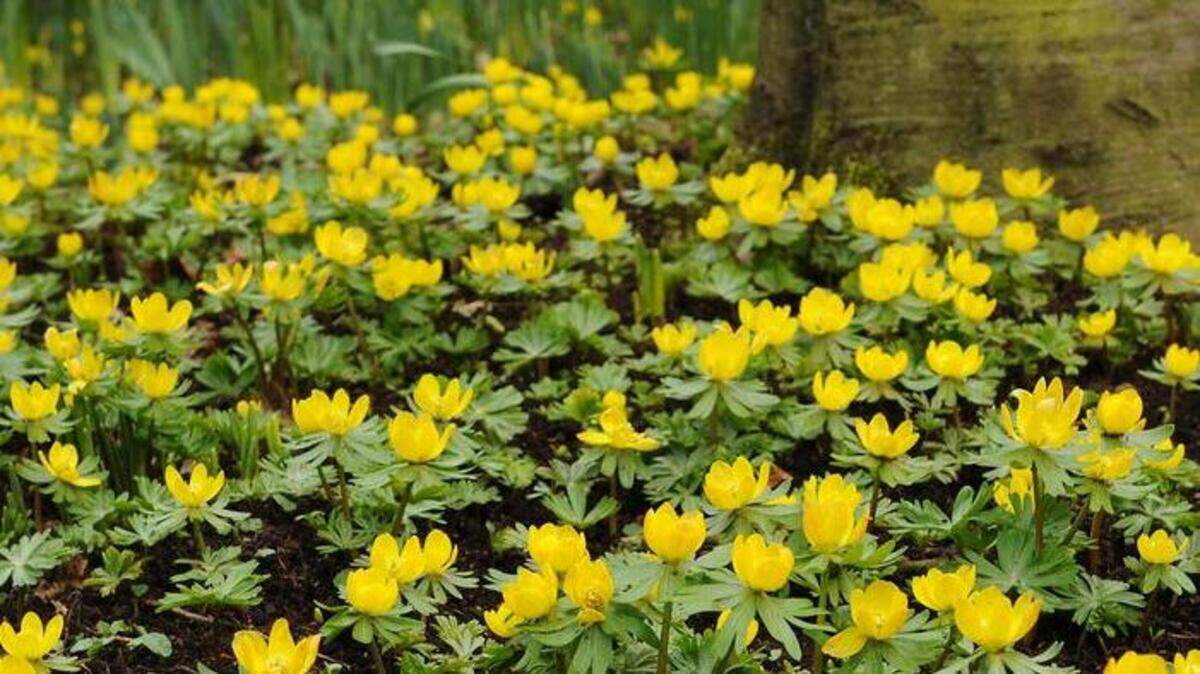
Winters Wolf’s Bane (Eranthis cilicia)
The first yellow bloomer of the spring season, this low-growing, cup-shaped bloomer has frilly leaves and is happy under trees and shrubs that leaf our later in the spring. This bulb gets two more bonus points because it is deer- and rodent-resistant and may self-seed to surprise you with new colonies in future springs. You may need to order it from wholesale bulb growers (online at colorblends.com) if you can’t find it at local nurseries.
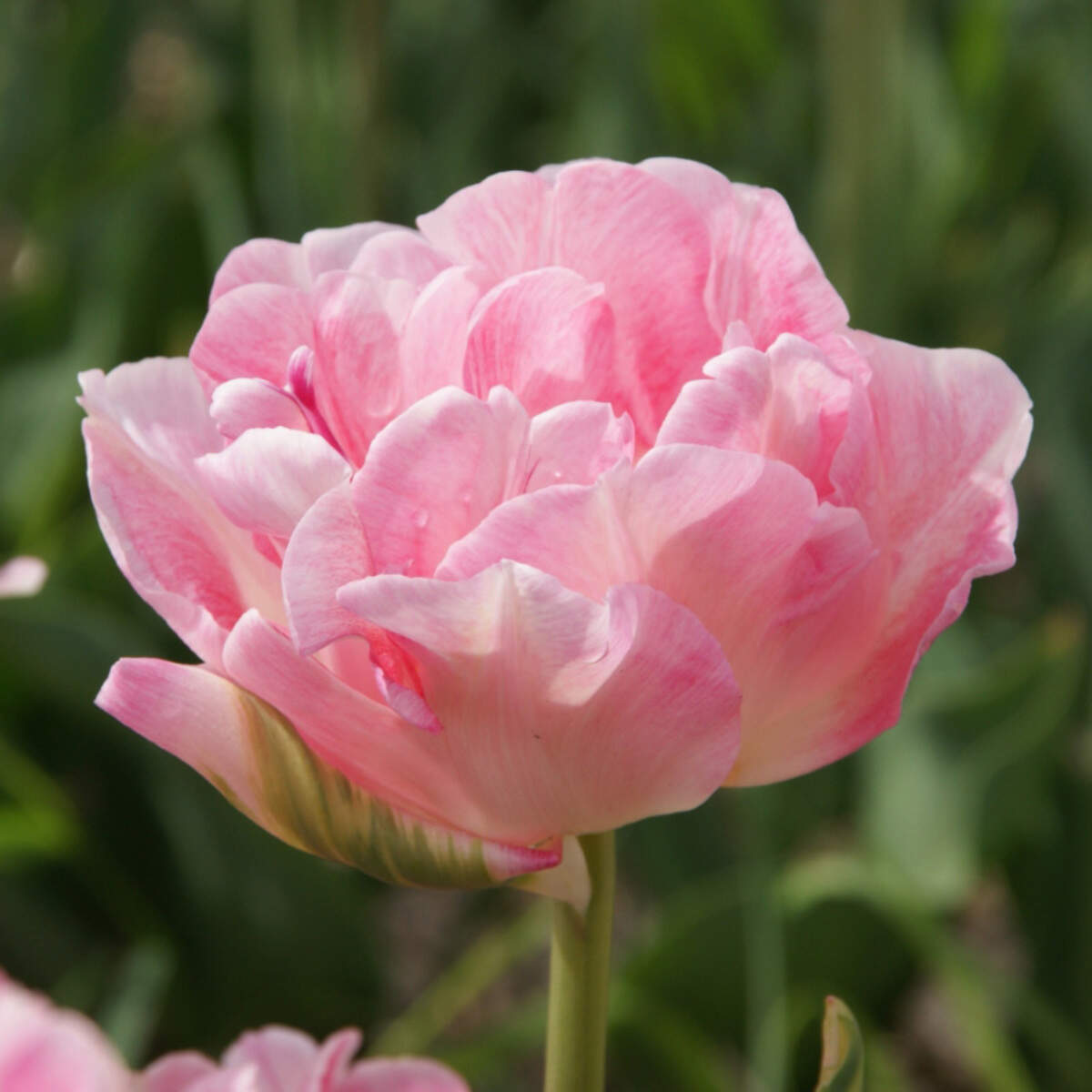
Angelique Tulip Variety
This is my favorite tulip as it looks more like a double-flowering pink rose than a tulip and one bulb can support several blooming stems, giving you double the flowers for the same amount of work. Be warned that like all tulips, Angelique is loved by voles, mice and deer but this mid-spring bloomer has strong stems and a formal look so it is the perfect unusual bulb to use in patio and porch pots.
Poke some Angelique tulip bulbs into your container gardens right after you uproot the frost bitten annuals. Like all tulips, it likes to be buried under 3 to 6 inches of soil, but like most bulbs, it will forgive you and adapt if you don’t plant as deep as recommended.
Marianne Binetti has a degree in horticulture from Washington State University and is the author of several books. Reach her at binettigarden.com.