
Things to do — and not do — this time of year in your Western Washington garden
The Halloween season is full of moody colors such as orange and red with spooky black accents.
It also is the time when you need to keep the heavy, wet leaves off of the lawn if you don’t want to smother the grass. Collect leaves and garden debris into piles or large sacks and store them over the winter. If you add a few shovels of earth or compost to the brown leaves, the magic of rotting can transform fall foliage into rich leaf mold by the time spring arrives. You’ll have a free soil additive to use in container gardens or as a mulch on top of plants.
There is still time to move perennials and shrubs that have been growing in the wrong spot and you might still find bargain prices at local nurseries trying to free up space before winter.
Plant garlic cloves if you want a jump on the season and harvest your food crops for winter storage. Root crops such as carrots and parsnips can be left in the ground to sweeten up with a hard frost.
Q. I want to add a Japanese maple with red leaves to my landscape. Can you recommend a red maple that will not get too big? We have a new, rather small yard. — B.K., Bonney Lake
A. The maples that will stay the most compact are the grafted varieties with a weeping form. These grow wider but not taller over time. If you have room for a tree that is not grafted then the moderate growing Acer palmatum maples grow to 15 feet tall but, like all trees, they never stop growing.
A classic red leaf maple is the Bloodgood Japanese Maple (perfect to buy for Halloween or vampires) but the “Emperor,” “Crimson Queen” and “Burgundy Lace” are also great trees. Perhaps the best tree to buy is one you can find at a local nursery so that you can see the color of the foliage and shape of the tree before you take it home.
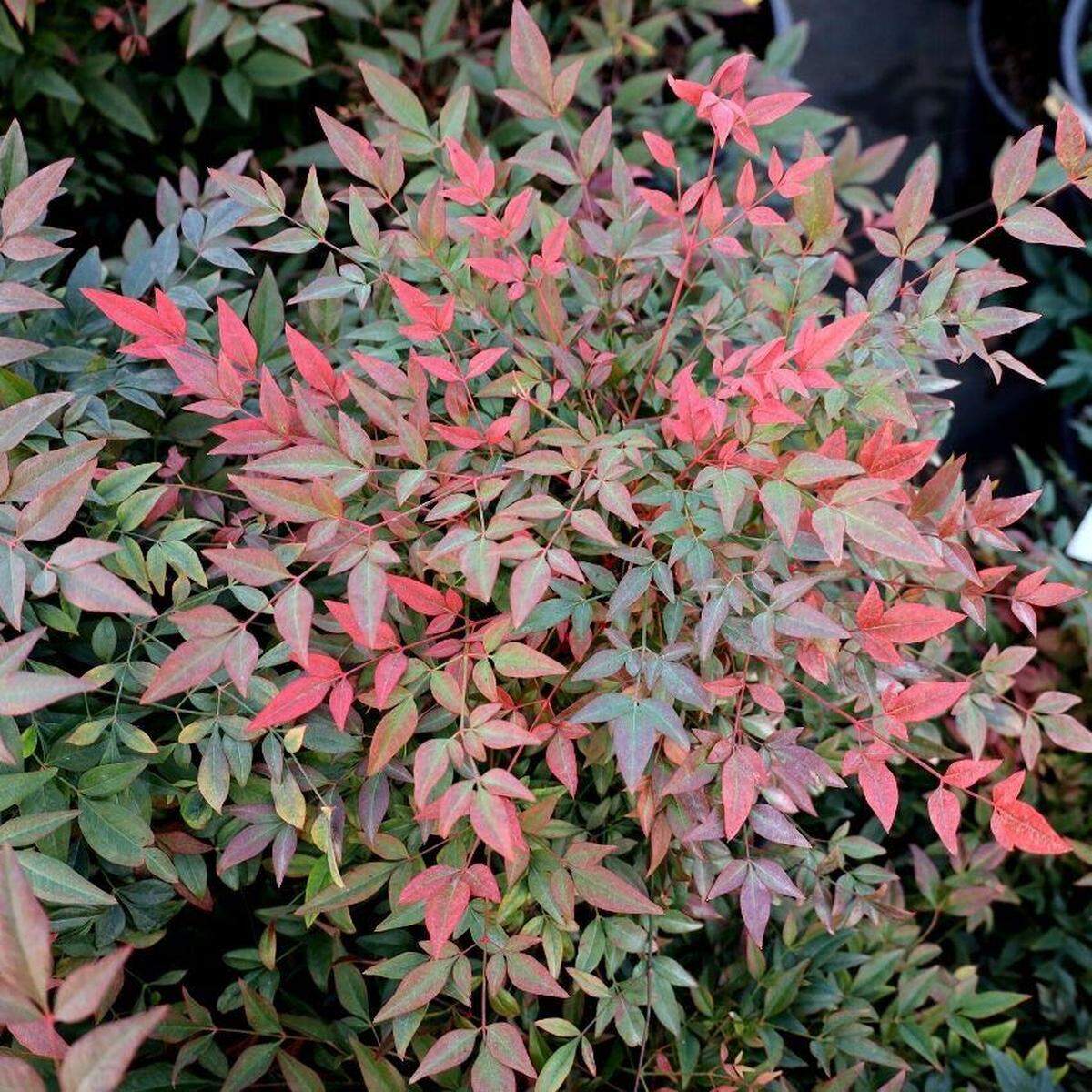
Q. I have a a large shrub called Heavenly Bamboo near my front door. I think it is getting too big. Can I prune it in the fall or do I have to wait until spring? — T., Email
A. Wait. October is not the time to get snippy with evergreens as pruning always stimulates growth. This is the time of year you want your plants to go dormant to better survive the winter. The best time to prune Nandina or Heavenly Bamboo is in the spring when you see daffodils blooming.
Heavenly Bamboo or Nandina is one of my favorite shrubs for lazy gardeners because not only does it resemble the graceful true bamboo without its spreading habit, but about once every seven years we get a hard winter that damages the foliage and some of the stems. This is a good thing because then it is easy to prune the winter-damaged plant right down to ground level. Strong new foliage and stems will emerge quickly and you’ll have fresh, more compact and well-behaved foliage.
One more great thing about Nandina is that it comes in many different forms and colors. You can find dwarf Nandina that stays under 3 feet and Nandina with red, gold and peach in their leaves. These shrubs are evergreen so in the spring, if it is brown, cut it down. The brown stems and leaves will not green up when summer comes.
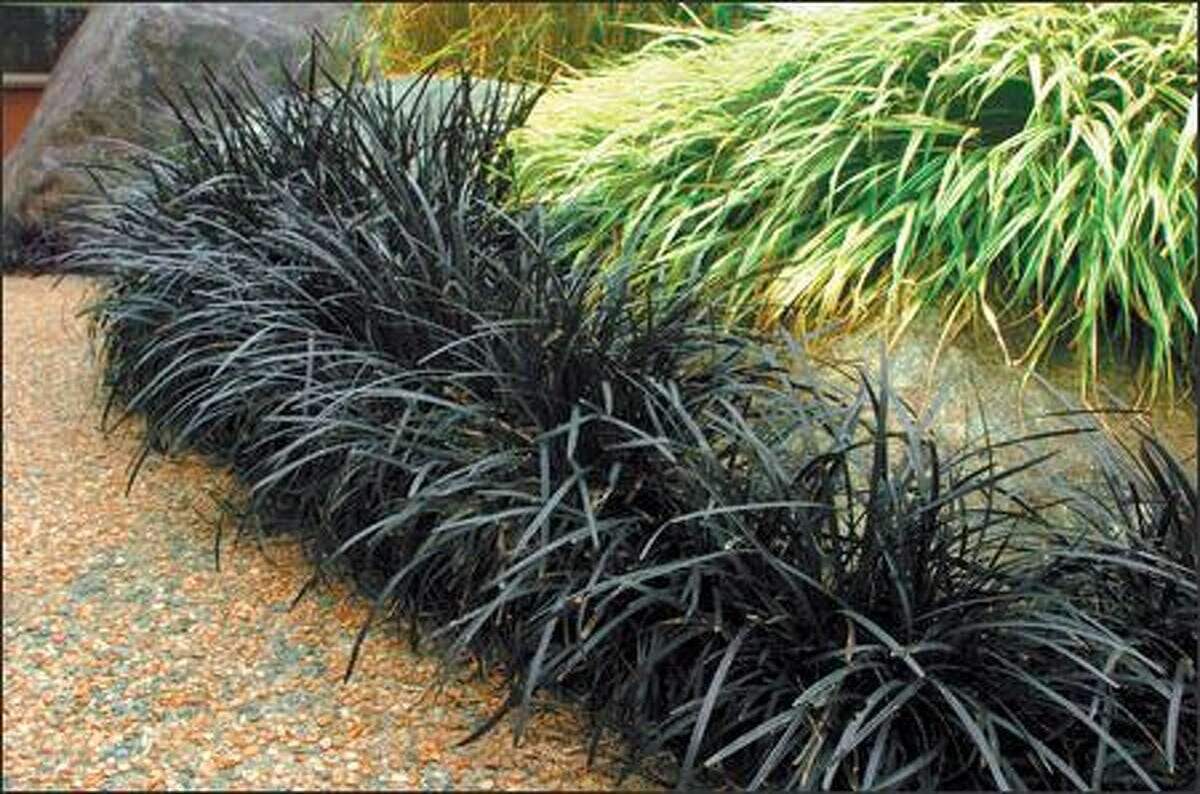
Q. I love black mondo grass and would like to use it as an edging around my front shrub bed. I see from social media views of your garden that you have a border of black mondo grass. My question is how to divide up this perennial and when is the best time to divide it and make more plants? — W.R., Auburn
A. Wait. Early spring is the best time to lift and cut apart the clumps of black mondo grass (Ophiopogon planiscapus), and the more you divide this evergreen foliage plant, the faster it grows. The dark black, grass-like leaves can be damaged by slugs and snails, and if not given enough water, the leaves can brown out in the summer, but in most Western Washington gardens this dramatic little grass is easy to grow and it looks good year round. Use this short, dark and handsome plant in containers for foliage contrast and at the end of pathways and edging beds as an exclamation point in your garden design.
Don’t be surprised when you find small bulbs attached to the roots of black mondo grass. I use a pair of scissors to cut the side shoots from the mother plant by severing the umbilical cord or shared root. If you do the deed in early spring, when the soil is moist and the weather cool, you’ll see no wilting or other signs of distress after the transplant operation.
Marianne Binetti has a degree in horticulture from Washington State University and is the author of several books. Reach her at binettigarden.com.