
How to save dahlias and other tender bulbs so they’ll live to bloom again next spring
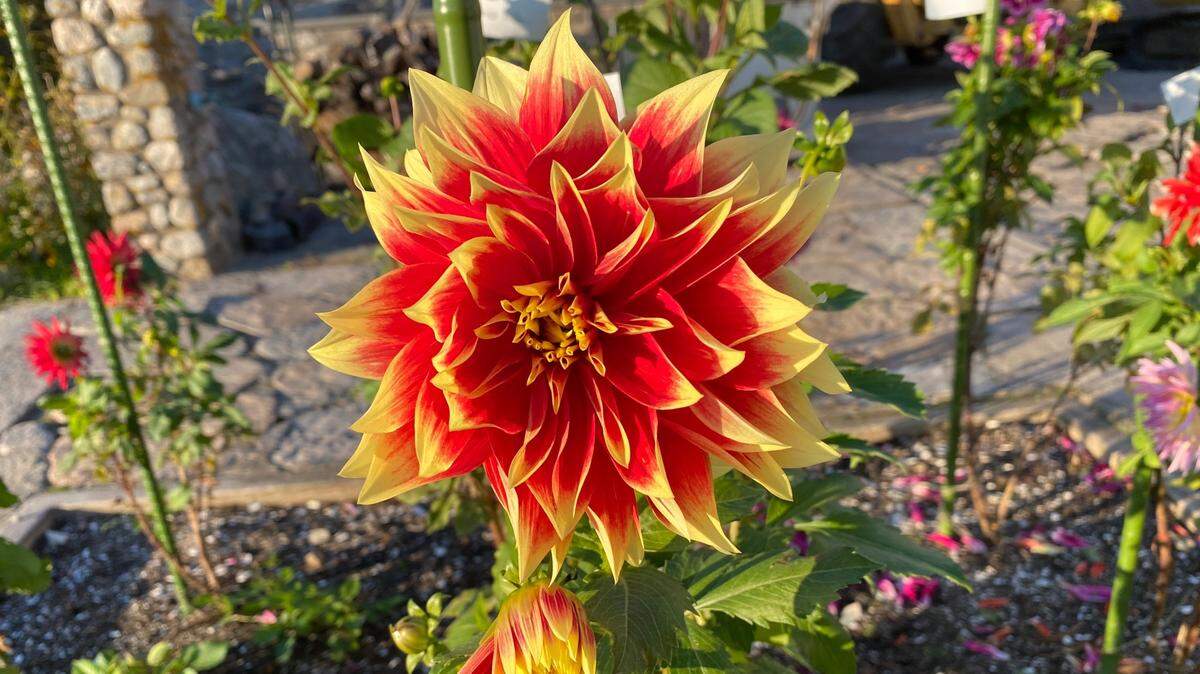
November is the start of winter for your plants, so now is the time to protect tender bulbs such as dahlias, gladiolas and canna and to turn outdoor coleus plants into indoor plants for the winter.
Let’s get digging (dahlias and other tender bulbs) and let’s get snippy (coleus.)
How to save dahlias
Cut the stems down at ground level. Then dig the fleshy roots out of the ground and place them inside a cardboard box or plastic crate.
You can cut up or divide the dahlia roots once they have been dug. Just use a knife to cut the attached tubers into separate sections.
Next, store the roots in a cool but dry spot. An unheated garage works well. There are many ways to store dahlia tubers but the easiest is to let them sit in a paper bag with the top of the bag open for air circulation. Some gardeners lay their dahlia tubers on top of dry sawdust or wood shavings in an open box. The goal is to keep the tubers moist but not so moist that they grow mold, and to keep them cool but not so cold that they freeze.
When March arrives you can pot up the tubers and bring them inside near a bright window to encourage the tubers to sprout. Then in May, after frost danger has passed, you can transplant the sprouted tubers into the ground. Remember to bait for slugs as the tender shoots lure slugs from miles away.
Lazy gardener tip: You can also be a gambling gardener with dahlias in Western Washington. Cut the stems off at ground level this month then cover the soil (with the tubers still buried underground) with sword fern fronds, cardboard or a plastic tarp. Even a recycled welcome mat works as long as it keeps water from soaking the soil. Our winter rains are to blame for rotting the tubers.
If you use this “leave them in the ground and cover them” method, you should remove the covering in April so the soil can warm up. If you leave the tubers in the ground, you will have dahlias that will flower later in the summer season.
Saving cannas, gladiolas and begonias
Now is the time to cut back, dig up and store any frost-sensitive bulb before the ground freezes. Use the same method as for dahlias. Dig, dry and store in a cool, dark location until March or April. Replant and start the corms growing indoors before moving them back outdoors in May.
Saving coleus
Anyone notice that the new coleus varieties are amazingly beautiful and also adaptable? Coleus can now handle full shade or full sun and grow up to 3 feet tall. They are also easy to enjoy as houseplants when you take cuttings now before frost hits. Here is how to do it:
1. Cut the top off a coleus plant so that you have a stem of 6 to 8 inches long.
2. Remove any flowers and all the foliage on the bottom half of the cutting.
3. Place the stem in a glass of water so that the top half with the leaves sits out of the water.
4. In about a month you will see lots of roots in the water, and this is your sign to pot the new coleus starts in 4-inch pots of potting soil. Grow near a bright window all winter, pinching back the new plants if they grow too tall and leggy – and making more new plants with these cuttings.
5. Do not put coleus plants outdoors until June. They hate cold nights, even if it is not freezing.
Warning: Many new plants are protected by a patent, so the developer gets a royalty. Do not propagate new plants such as coleus if you plan to sell them. You can only propagate patented plants for your own use in your own garden.
Could there be plant police looking over your fence or peeking at the newly propagated plants on your windowsill? Not likely, but still not fair to the university or horticulturist that took years to improve a new plant cultivar.
Marianne Binetti has a degree in horticulture from Washington State University and is the author of several books. Reach her at binettigarden.com.