
Expert tips for planting during this tricky time of year in Western Washington gardens
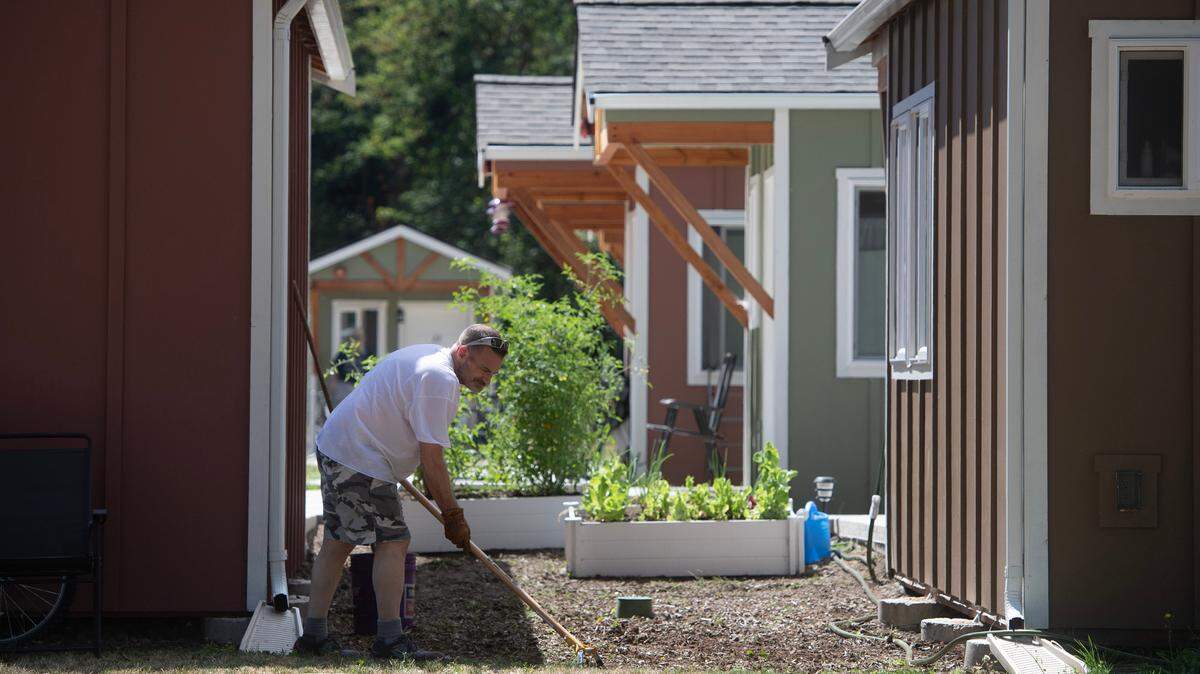
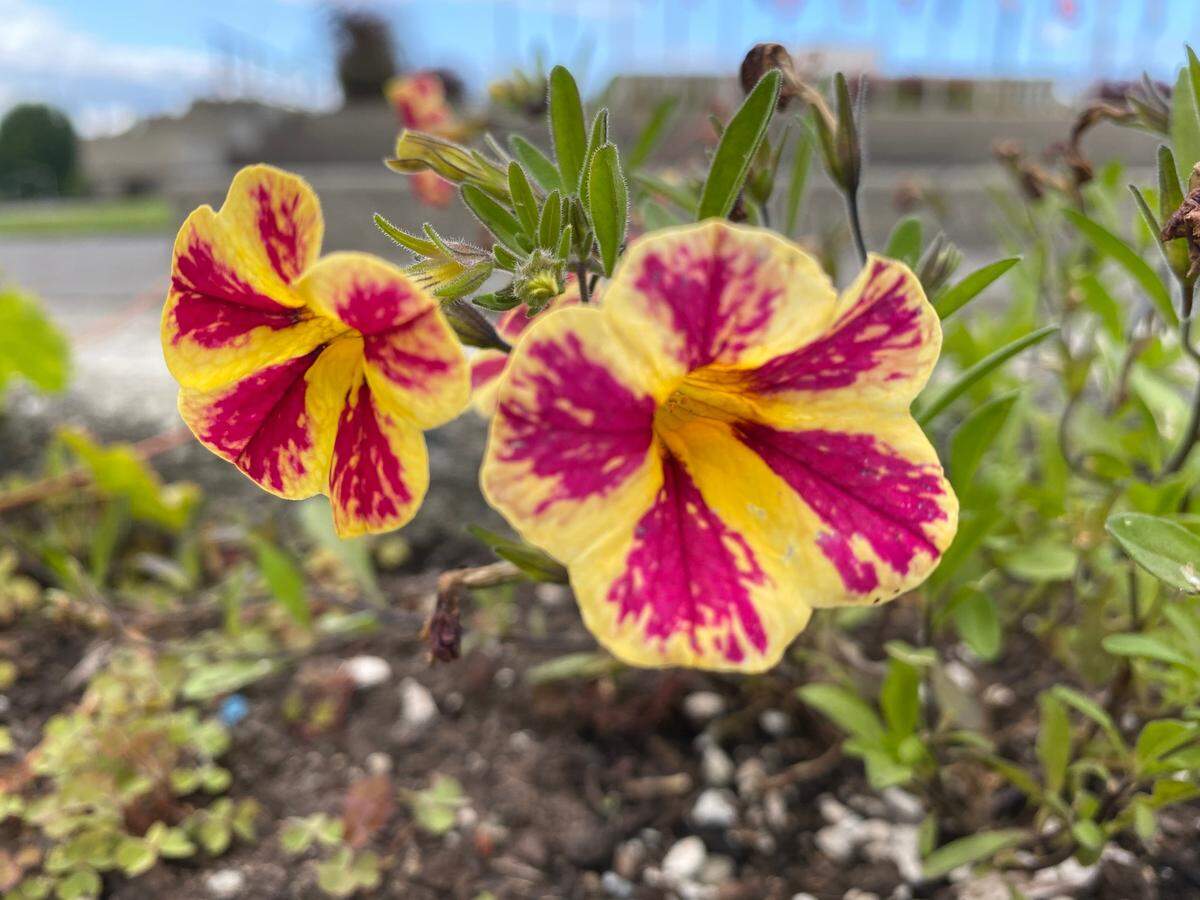
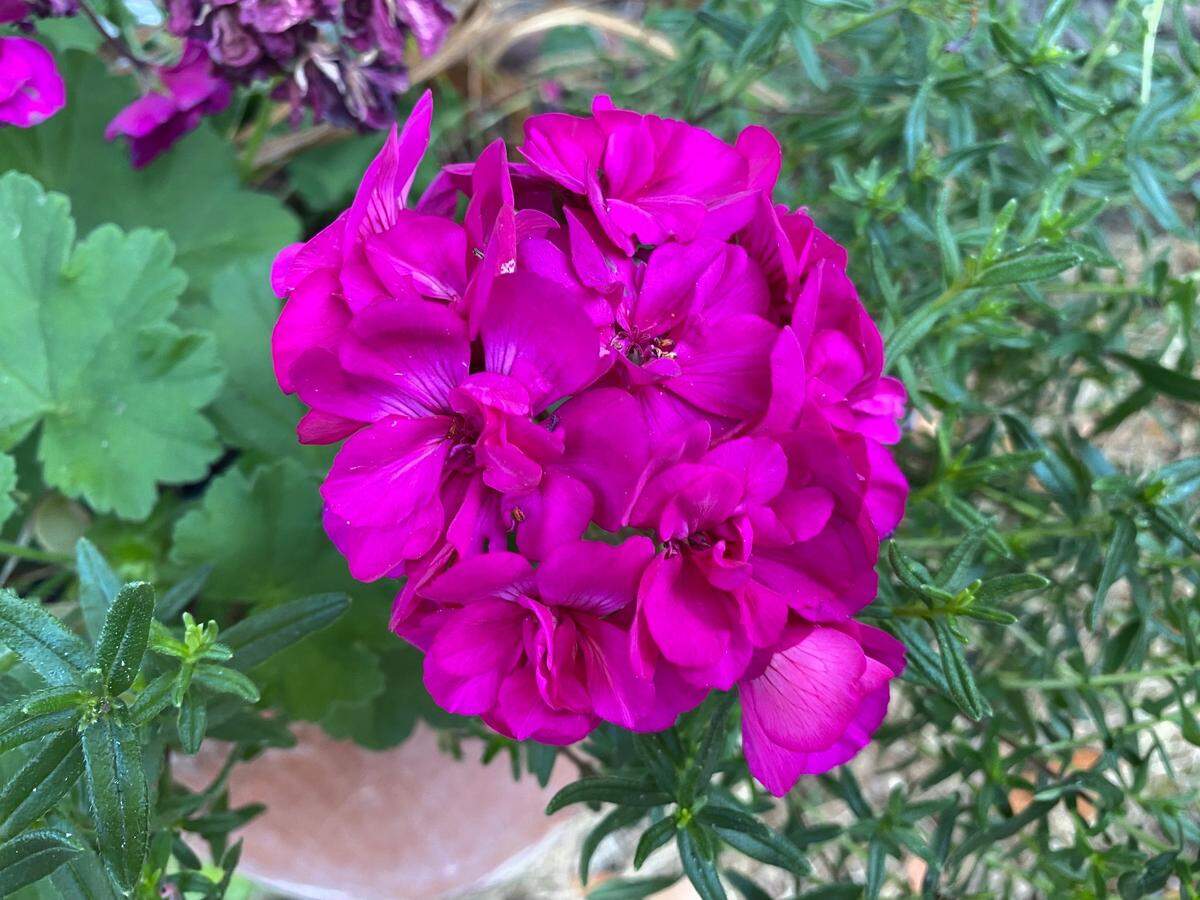
The beginning of May is when night temperatures are generally above 45 degrees and it is now safe to plant annuals such as petunias, geraniums, and million bells as well as vegetable starts and seeds of lettuce, potatoes, onions and garlic.
Now take a pause: Heat-loving veggies and flowers will still suffer if a cold night or two reminds us we live in Western Washington, where rain and cold nights are still possible.
The plants that will suffer if planted now are tomatoes, basil, coleus, begonias, impatiens, peppers and squash. There is no advantage to planting seeds of warm-season crops in early May. Seeds of heat lovers planted in late May or early June quickly catch up with plants that sprouted earlier and then shivered at night and were dwarfed by cold nights.
Here are some guidelines for navigating this tricky time of year.
Protect the heat lovers for a few more weeks
There are ways to plant now and protect your tender young things.
In the vegetable garden, hoops with a covering of agricultural fleece or even plastic at night will trap warmth. A few young tomato plants can be covered with a gallon-sized plastic milk jug that has the bottom cut out.
The soil in raised beds drains quicker and warms sooner than soil at ground level, so vegetables can go into the ground sooner if your beds are raised.
The location of your garden also determines the heat of the soil at night. Gardening on a sunny slope that has been terraced will capture and retain heat sooner than a location in part sun that sits low and collects frost.
Time to plant flowers, cordyline in pots
Planting pots of flowering annuals can begin this week if your container gardens are close to the house or otherwise protected. The soil in containers will be warmer than the soil in the ground, so begonias, petunias, million bells, lobelia and alyssum are just a few of the bloomers ready to spend the night outdoors.
All of the cordylines can be planted outdoors now. Cordylines are spiky-looking plants that actually have soft, sword-shaped leaves perfect for accents in the middle of a container or as a low-care accent plant. New varieties of cordyline come in pink, red, yellow and green, plus dark maroon shades. The upright form and fine texture of cordyline adds a jolt of energy to the landscape — plus they are hard to kill for even the most neglectful gardener.
Container gardening dos and don’ts
Do use potting soil. You can reuse potting soil from last year if you mix it well all the way to the bottom of the pot. Add a few inches of compost or fresh potting soil to the container to keep the old potting soil lose and invigorated.
Do fertilize all potted plants. Adding a slow-release plant food to the soil at planting time is the easy way to keep young plants well fed, but for bigger blooms and impressive displays, plan to fertilize with a water-soluble plant food several times over the summer.
Don’t over water in May
During cool weather, plants do not absorb as much water and certain plants (coleus and wax begonias) will rot at soil level if kept too moist. Poke your finger into the potting soil. If it feels damp an inch below the top of the soil, do not water.
Do read the labels about what needs sun — but you can cheat a bit on what needs shade. In Western Washington, our cool summers mean that many shade-loving plants such as impatiens, angel wing, wax begonias and even hosta will adapt to full sun in a container. What they do not like is reflected heat off a west- or south-facing building.
Your garden is full of micro climates so do remember the golden rule of gardening: If a plant is not doing well, just move it to a new location. This could be mean uprooting a recently planted annual and switching it to a pot or in-ground location that gets more sun or more shade.
Keep experimenting and trying new plants. Gardening is an adventure and the more you plant, the better it is for the pollinators, your home value and your general health. It is gardeners that will save the world, so dig in!
Marianne Binetti has a degree in horticulture from Washington State University and is the author of several books. Reach her at binettigarden.com.