
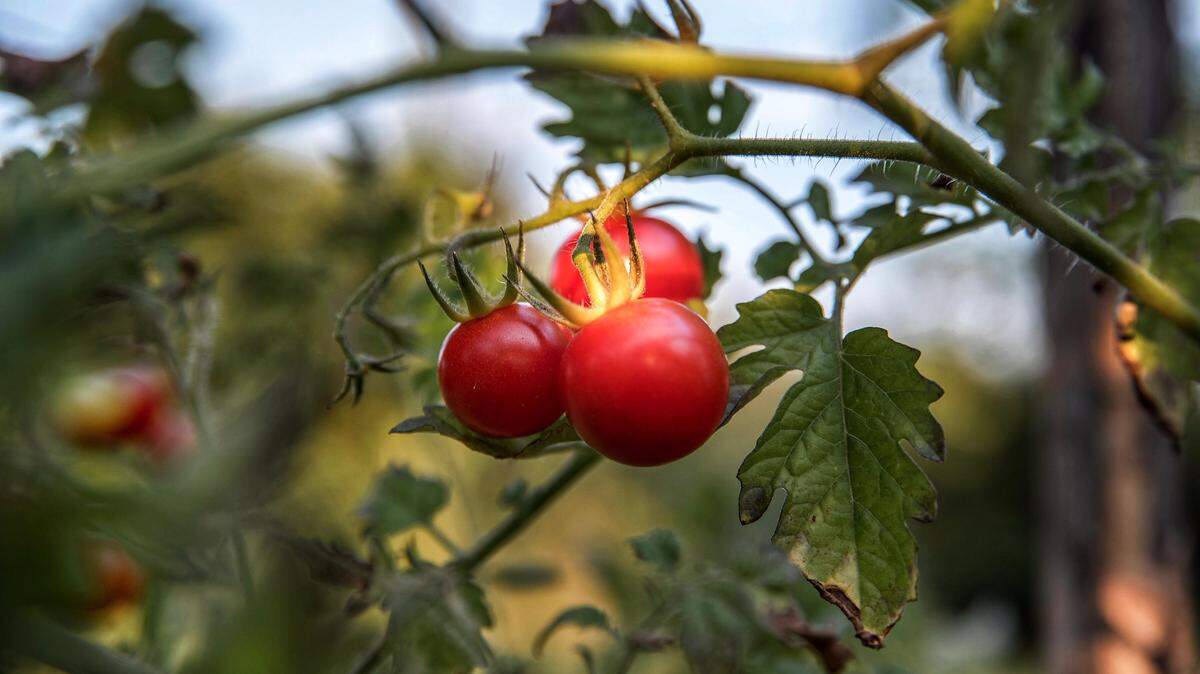
Here are some wise words for those trying to grow heat-loving tomatoes in Western Washington
June belongs to roses, and here in Western Washington I really can promise you a rose garden, if you remember that the secret of success begins at the roots.
Feed your roses this month if you forgot to fertilize in the spring. June is also the time to fertilizer perennials that are heavy bloomers: Delphiniums; dahlias and tall garden phlox will need a meal if you want peak performance.
This has been a cold spring, so no need to rush and get tomatoes, peppers and eggplants into the ground. These heat-loving crops will do better if you wait until the soil warms up in a few more weeks. You can plant the seeds of beans, corn and squash into raised beds or any garden spot with good drainage.
Dahlia tubers, gladiolas, lilies and other summer flowering bulbs should all go into the ground now, if you have not planted them already.
Q. I want to grow my own tomatoes. My problem is my tomatoes never ripen and turn red. I grow them in pots on my balcony. Any suggestions? — C., Puyallup
A. Tomatoes need heat and the right variety for our cool summers in order to ripen before our first autumn frost. Look for “Early Girl” or “Oregon Spring” tomatoes or just grow the smaller cherry tomatoes such as “Sweet 100” or “Sweet One Million.” There are also golden tomatoes with small fruit that ripens early.
Next, make sure your plants are getting at least six hours of direct sun a day. The best spot is against a west- or south-facing building. If your balcony faces north or east or is shaded part of the day, grow leafy crops such as lettuce, spinach and Swiss chard instead of tomatoes. Then support your local growers at farmer’s markets for that home-grown tomato taste.
Q. Help! There are small holes in the leaves of my roses. They are not just on the edge of the leaf but sometimes in the middle. I can see tiny green worms on the underside of the leaves. What can I spray my roses with to kill these worms? — R.M., North Bend
A. Hopefully you won’t need to spray anything. Instead, just remove all the infested leaves starting at the bottom of the plant. From your description, it sounds like you have saw fly larvae feeding on your rose foliage. The larvae stage (the green worm stage) of this insect will not last all summer so the problem should pass. Keep your roses healthy and they can outgrow many types of insect damage.
Q. I have Asiatic lilies in my new garden. They have tall stems with flowers on top. When the flowers are done blooming, can I cut down the tall stems? Can I cut off the dead flower? These plants came with the house and I am learning how to garden. — H.O., Sumner
A. Congratulations on becoming a gardening homeowner. Your lilies will return year after year if you snip off the dead flower head (this is called “deadheading”) but leave the tall stem with the leaves until the stem and leaves all turn yellow in the fall. Then you can cut the stem off at ground level.
Bulbs such as tulips, daffodils and lilies make flowers for next year from the food that the leaves manufacture after the plants flower. For this reason you need to leave the foliage of bulbs to mature and ripen for as long as possible. Once a plant has yellow leaves, that is the signal that it Is no longer making food for the bulb below.
See Marianne in person
At 11:30 a.m. Saturday, June 22, Marianne Binetti will be at Christianson’s Nursery, 15806 Best Road in Mount Vernon, for “Rosey Day Out,” a garden tour she will lead of cottage garden plants and roses around the old schoolhouse at the nursery. It is part of a daylong festival. Learn more at www.christiansonsnursery.com
Marianne Binetti has a degree in horticulture from Washington State University and is the author of several books. Reach her at binettigarden.com.