
Spring color has sprung in Western Washington in the form of primroses, bulbs, pansies and more
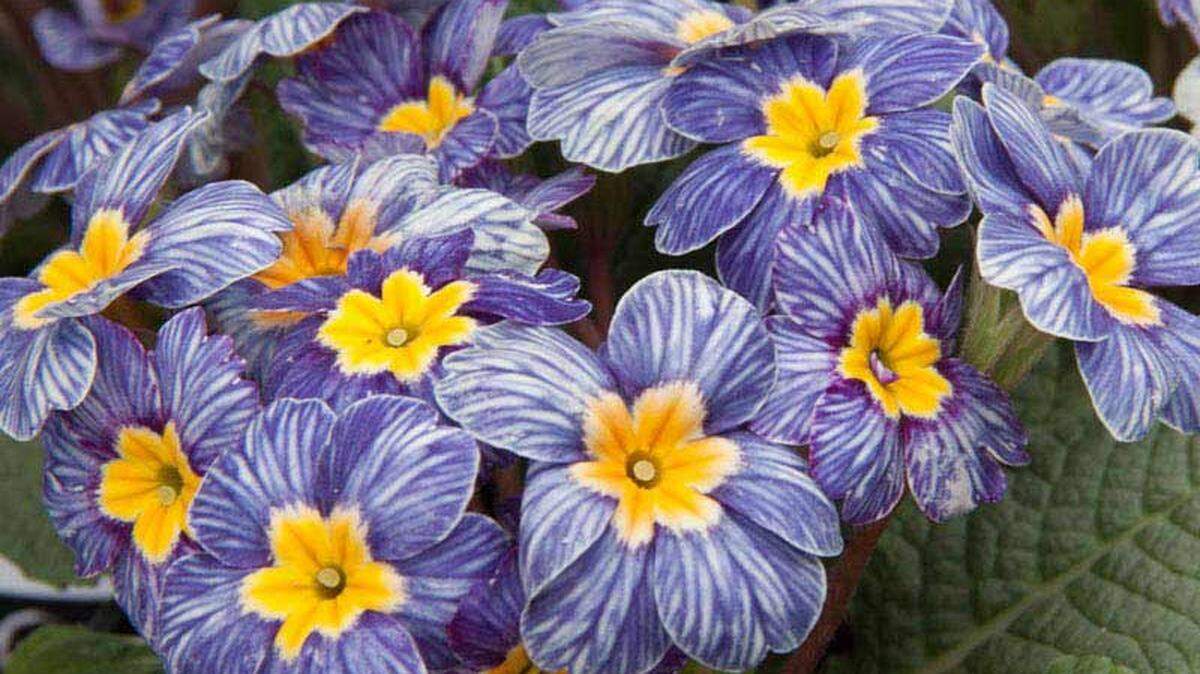
It’s primrose season, so give yourself permission to make a path towards spring by bringing home a potted primrose from a local nursery or garden center.
It may be too early to plant annuals such as geraniums, petunias and marigolds and also too early to seed vegetables such as tomatoes, peppers and squash, but you will be surrounded by fragrance and flowers.
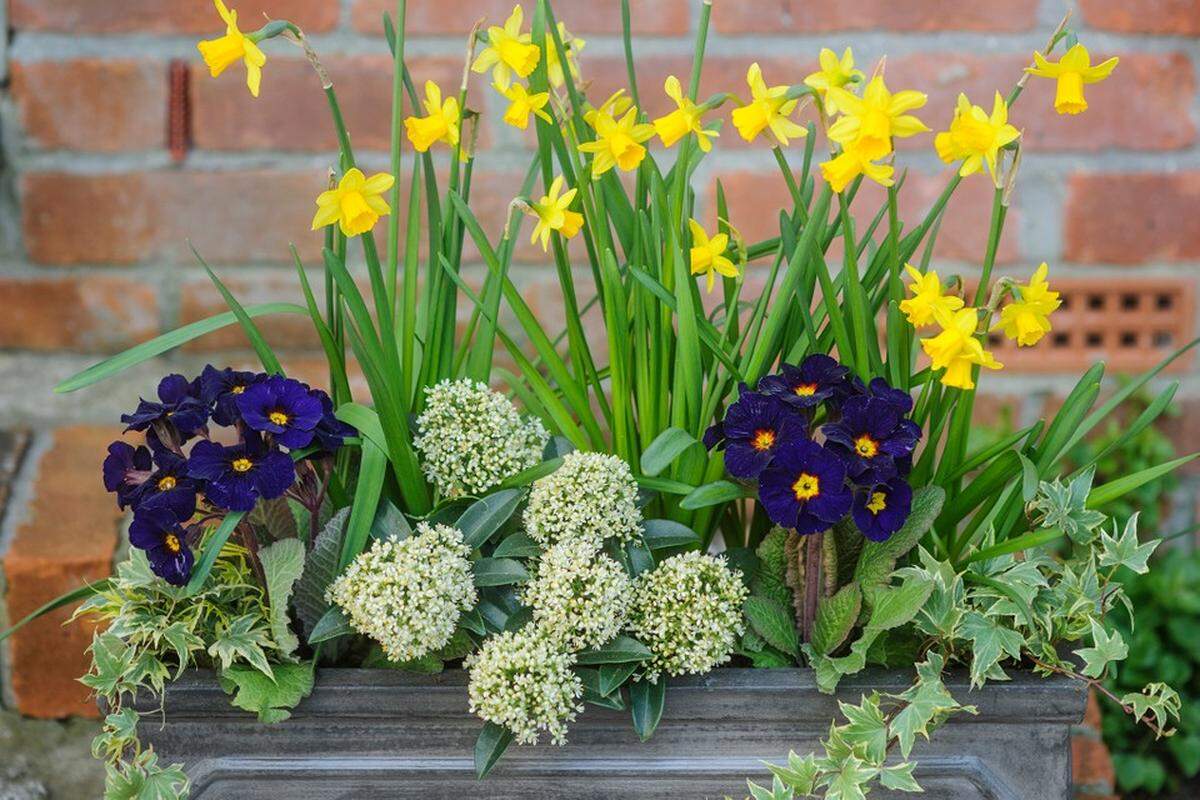
Top plants for adding early color to containers now
Primroses: It doesn’t matter if you grab a polyanthus primrose along with your groceries from the supermarket or seek out the double flowering English primulas sprouting in nurseries now, just by buying a primrose you are thumbing your green thumb at winter weather and declaring to Mother Nature that you believe spring is ready to return.
Tip: The double flowering English primroses have lower growing blooms in more muted colors than the vivid bi-colors of the grocery story primrose polyanthus, but you are paying more for slug resistance (thicker leaves mean less slug damage) and for the durability of a perennial primrose that will return year after year. The hardy English primroses love moist, compost-enriched soil.
Hellebores: What is not to love about the heavenly hellebore? A perennial plant with leaves so thick they resist deer, slugs and drought — plus they bloom winter into spring and provide color for months even in the shade.
Tip: If you use hellebores in large porch pots this spring, move them out into the woodland garden in June when it is time to replace your spring bloomers with summer annuals. Just take care to dig a very wide (like 3 foot wide) planting hole for these plants with a tuberous but brittle root system. Best to leave potted hellebores in their nursery pots if used in containers for spring color (hide the pots with moss or by digging deep into the container of soil) so the hellebores will be easier to transplant into the landscape after the spring container display.
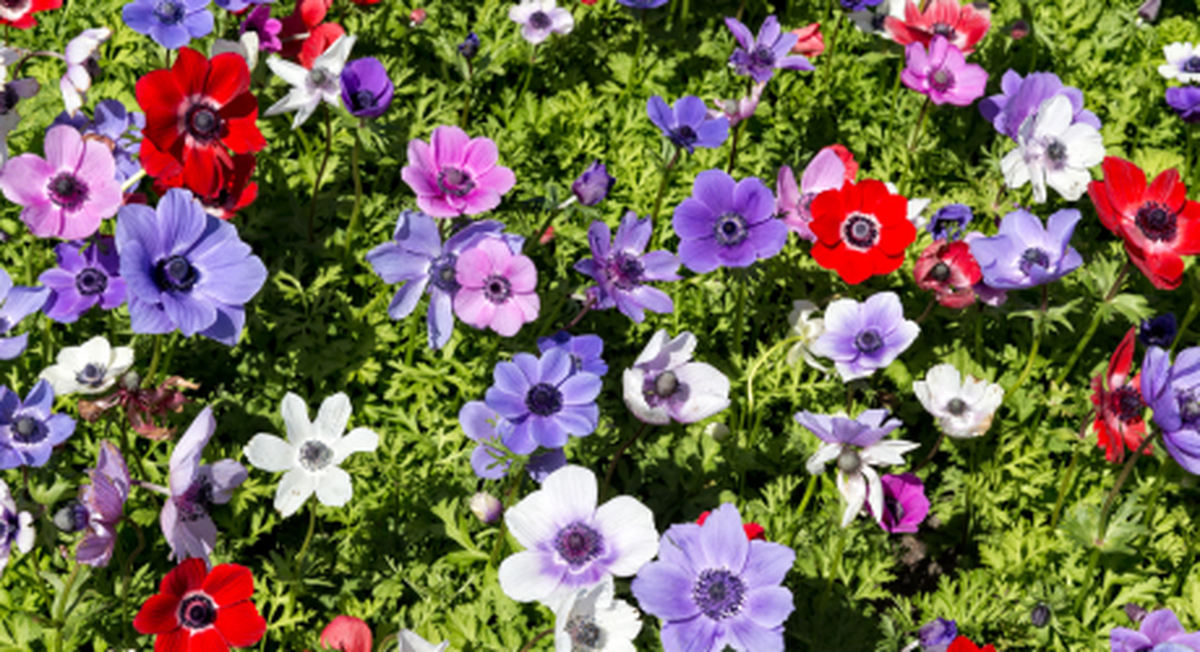
Potted bulbs: Dwarf tulips and short daffodils as well as grape hyacinth, anemones and tiny iris can be added to your spring containers now for pops of fresh color. They look great as stand-alone plants in small pots or as part of a spring medley of color in larger tubs.
Tip: Blooming bulbs can attract slugs and snails, so protect them with bait (Worry Free or Sluggo) or by putting a ring of copper tape around the base of their container home. Slugs won’t cross copper.
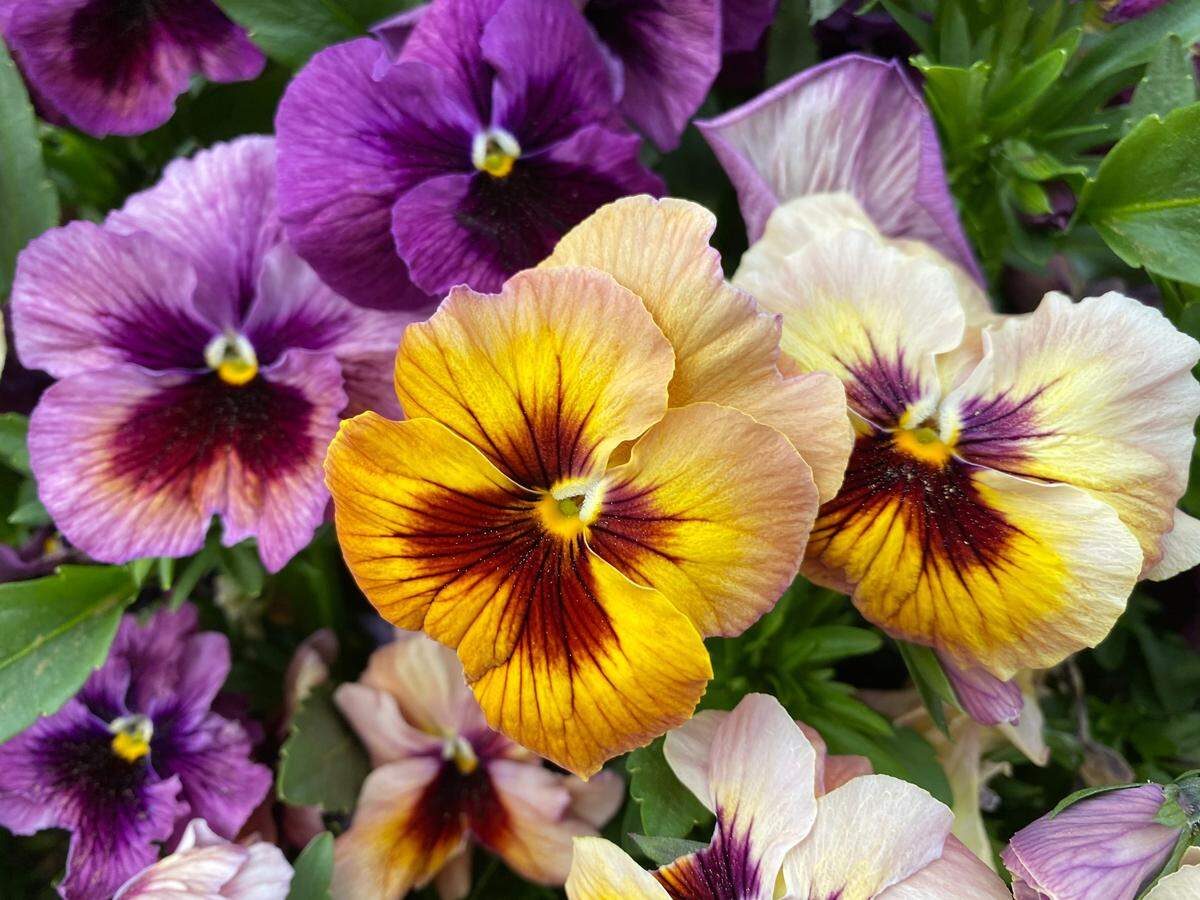
Pansies: Rainy spring weather and windstorms won’t kill a spring blooming pansy, but for the ultimate in hardy pansy petals look for the pansies with the smallest flowers rather than the giant, more flamboyant pansy varieties. Pansies can add color to a border by pairing them up with contrasting colors. Yellow pansies with black Mondo grass, purple pansies with pink tulips and white pansies next to the deep green of a spring lawn are color contrasts that will turn up the volume of spring.
Tip: To keep pansies flowering until fall, snip off the faded blooms and grow them in a cool location. Once they go to seed, they stop producing blooms.
Marianne Binetti has a degree in horticulture from Washington State University and is the author of several books. Reach her at binettigarden.com.