
Tips that experienced vegetable growers use to harvest at the peak of perfection
Deep in September is the time to harvest from your garden as the coming frosty weather will destroy many crops.
It is not too late to fertilize the lawn with a fall and winter plant food; autumn is the most important time of the year to feed Western Washington lawns. A fall-fed lawn will wake up sooner in the spring and crowd out weeds before they take over your turf.
Keep cutting dahlias, zinnias and sweet peas as the harvest will keep these flowers coming.
Q. This is our first year with a successful vegetable garden. I need help determining when specific vegetables are ready to harvest at their prime. We have zucchini, tomatoes, cucumbers, onions and corn. — F.F., Olympia
A. Here are the tips that experienced growers use to harvest at the peak of perfection:
Zucchini or Summer Squash: The biggest tip is to harvest them when small and tender, so search under the foliage to find any squash that is hiding and has grown bigger than a fat sausage. Overripe squash will be dull with skin. Tender zucchini will have skin that is bright and firm but still tender.

Tomatoes: Look for tomatoes with a rich, uniform color as you remember the varieties you grew and which are ripe when yellow, orange and red. But at this time of year, just pick any tomato that is close to full size, so it doesn’t rot. Tomatoes will continue to ripen indoors and do not need to be left on a windowsill as sunlight is not necessary for the ripening process. Just don’t let the fruit touch and keep them in a cool, dry spot. You can tell when a tomato is overripe because the skin will be wrinkled or split, or you will see soft spots on the skin.
Corn: Look for brown silks poking from the top of the closed ears and plump kernels when you expose them from the green sleeves of foliage. For the ultimate in sweetness, poke a kernel with your fingernail and note the consistency of the juice. Clear juice needs more time to ripen; thick creamy kernels are a sign the corn is overripe; but a corn kernel filled with milky juice is perfect.
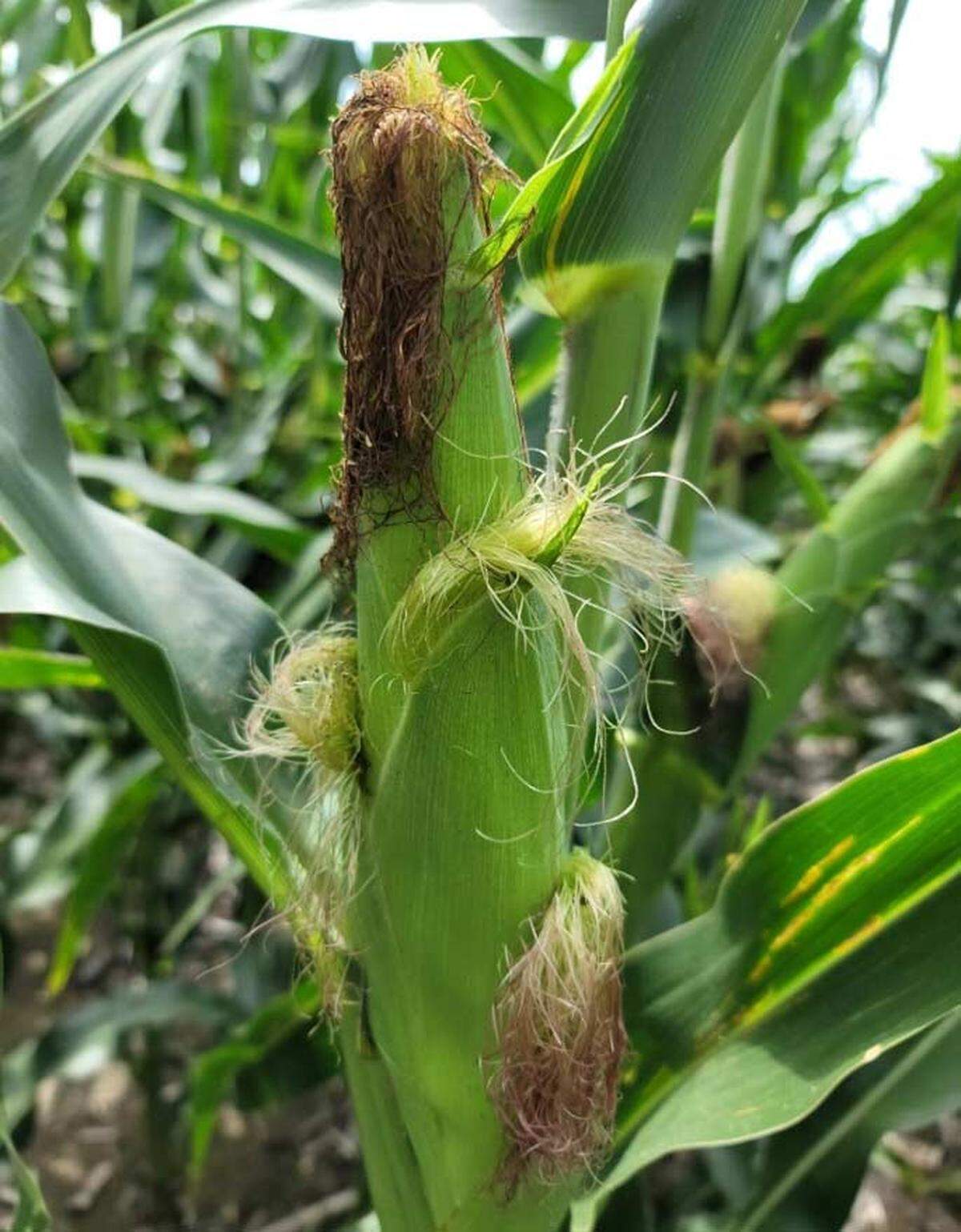
Harvest corn in the morning and the ears will be full of sweetness. The longer you wait to cook picked corn, the less sweet the kernels will be. Experienced gardeners will get the water boiling, then harvest the corn so it can go immediately into the pot.
Onions: The top of your onions will fall over and turn brown when the underground bulb is ready to be dug up and stored away for winter meals. Do not just bring the dug onions indoors, however. They need to be cured first. This means letting them sit in a warm dry place for two weeks to let the skin dry out. Then you can cut off the tops and store in the pantry. This is why you will see onion tips braided together and hung from the rafters in traditional farms at this time of year. Braided onions are not for decor, they are curing for winter storage.
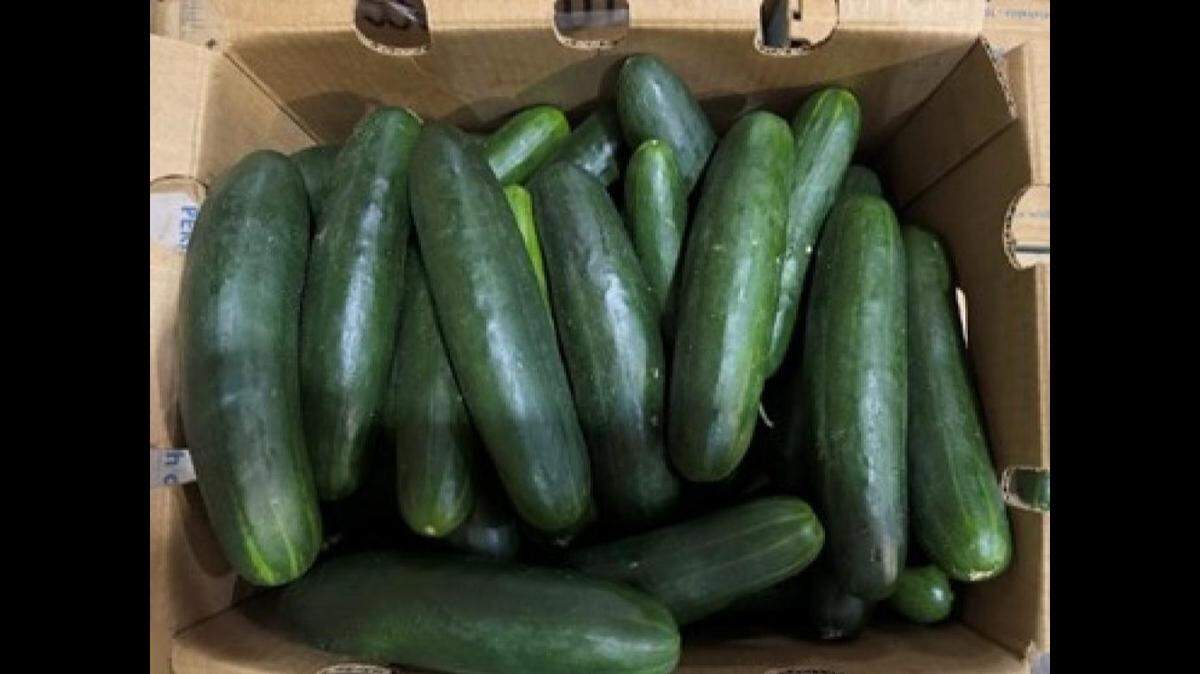
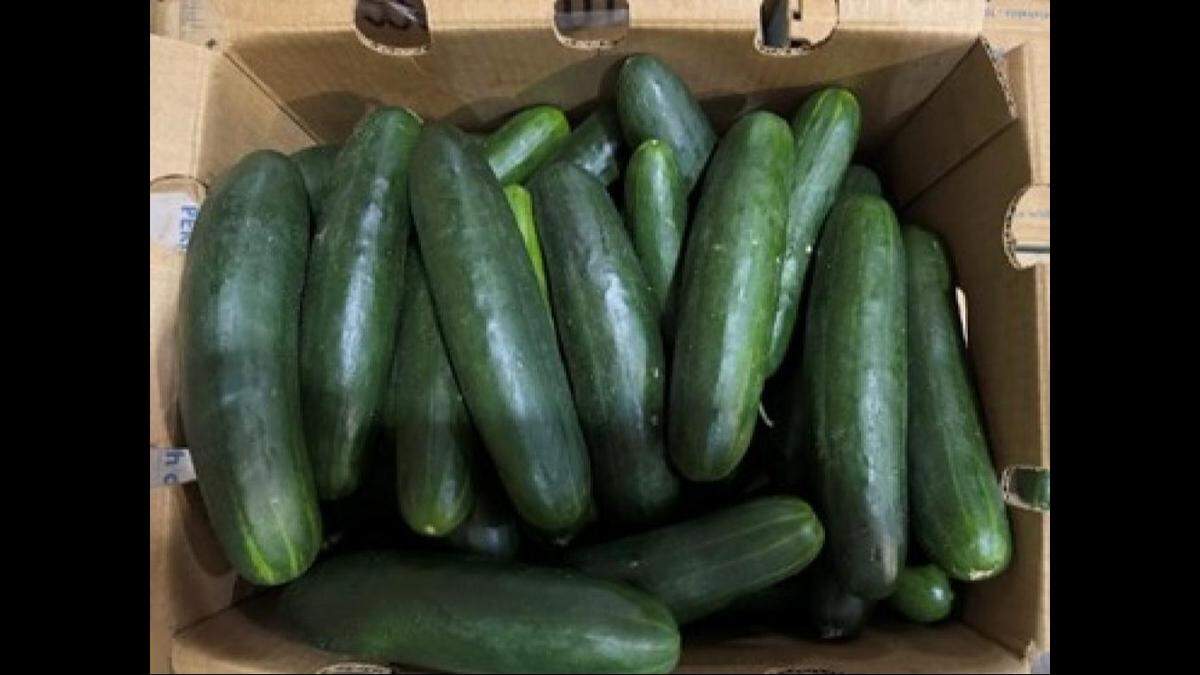
Cucumbers: Harvest early in the day for the best cucumbers, and look for firm skin that is bright and shiny. Not all cukes are green or the same size, so it depends on the variety when deciding if your cucumber is the peak of ripeness. Too many seeds and a bitter flavor means you waited too long.
Marianne Binetti has a degree in horticulture from Washington State University and is the author of several books. Reach her at binettigarden.com.