
How to make leaf mold for your garden, plus 3 unusual daffodils to consider planting
The third week of October is a good time to bring in or protect any geraniums or tender bulbs or potted plants such as abutilon or flowering maple.
In Western Washington, the winters are often mild enough to just cover tender bulbs of canna and dahlias with wood ashes, a tarp or fern fronds to keep out the winter rains and stop them from rotting. Potted geraniums can be left in their containers and moved to a cold but not freezing shed or placed up close to the house for winter protection. Water just once a month to keep your geraniums dormant through the winter.
Keep raking fallen leaves from your lawn this month as a mat of leaves will smother grass and allow for more weeds to move in during the spring. Rather than sending the fall foliage away in the green bin, store those old leaves over the winter in a plastic bag so they can turn into leaf mold.
Making leaf mold is as easy as filling a garbage sack with leaves, adding a shovel full of compost or soil then poking air holes all over the plastic bag with a screwdriver. Tie the bag closed and store it out of sight. In the spring you can use the rotted leaves as a soil conditioner that will store moisture in the soil, or as a mulch to smother small weeds.
Looking toward spring, here are some unusual daffodils to plant now, that will welcome spring and offer bright cheer.
Tazetta Narcissi
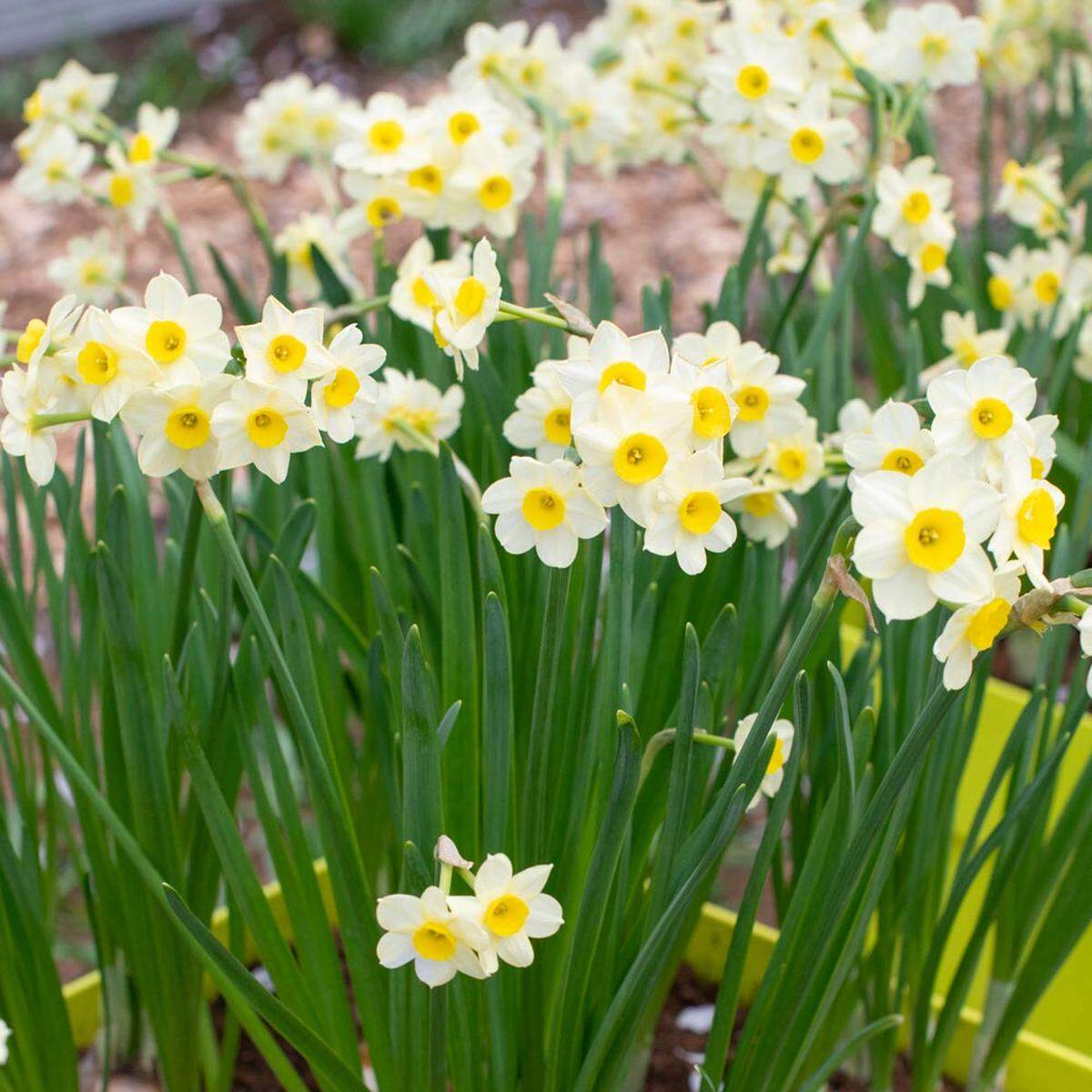
These are fragrant daffodils that are great for forcing and then enjoying indoors. They produce multiple blooms on one stem.
One example is a daffodil named “Geranium” with a sweet fragrance and up to six blooms per stem. The flowers are not large, just 2 inches across, but this heirloom Narcissi has been awarded for the white perianth (the outer petals) that make a backdrop for the yellow-orange cup. Not sure why it is named “Geranium” but collectors love them..
Where to find them: John Scheepers is a grower out of Connecticut that offers many older daffodil varieties at www.johnscheepers.com
Triandrus Narcissi
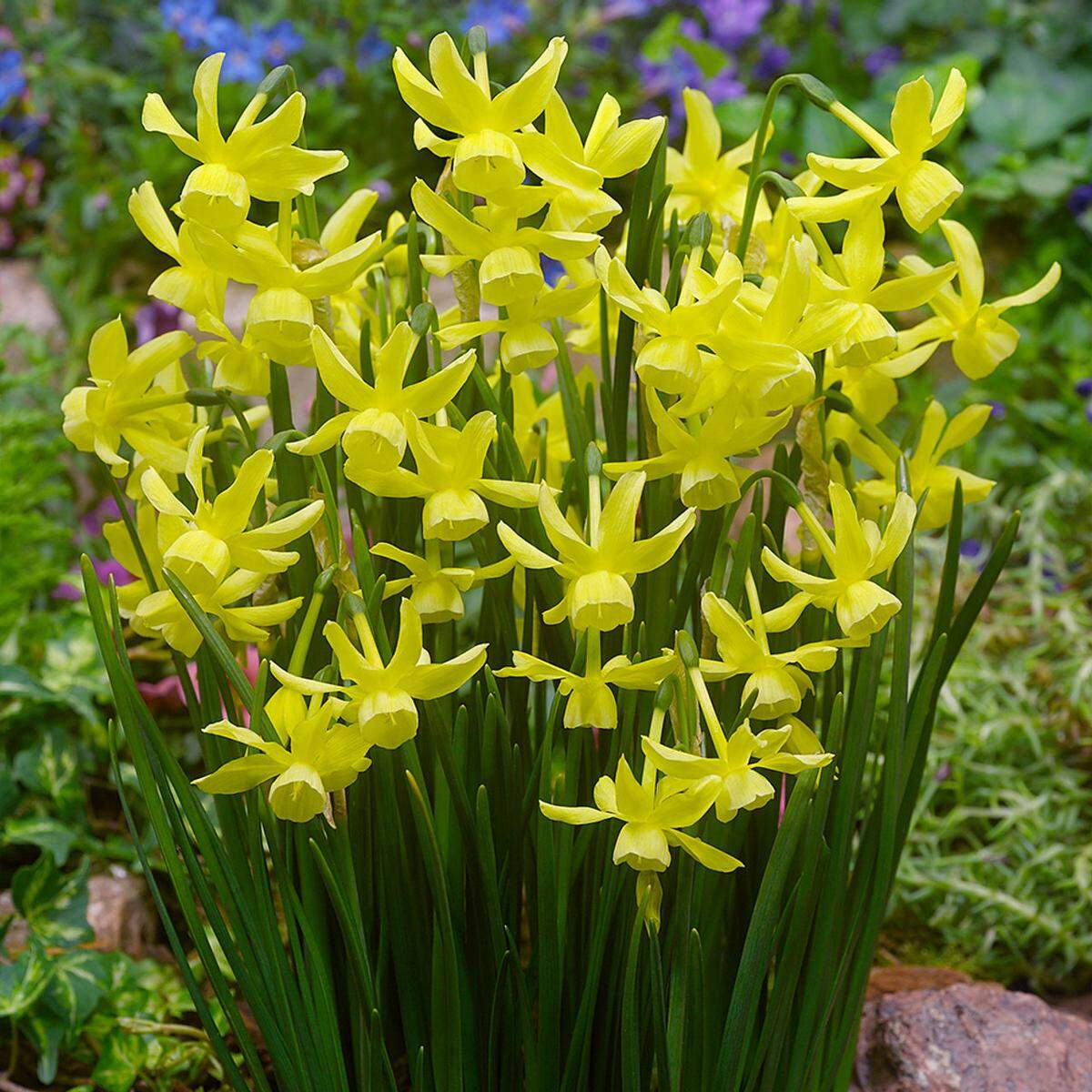
Another group of graceful Narcissi showcases several pendant flowers per stem, with slender leaves and a lighter scent. These will come back or naturalize well in a semi-shady area if you plant them 6 to 8 inches deep and at least 6 inches apart.
A favorite example is “Thalia,” an all-white daffodil variety called an orchid Narcissus because it has up to five petals per stem with the outer petals curved back to show off the long, cup shaped crown. The intricate bloom form and pristine white petals make Thalia an elegant choice, especially if planted against a backdrop of dark foliage for contrast.
Tip: Create a beautiful marriage with a bed of white Thalia daffodils and Black Mondo Grass.
Where to find them: The Roozengaarde Nursery of Mount Vernon show garden fame offers these and hundreds of other bulbs on the website www.tulips.com
Pink Daffodils
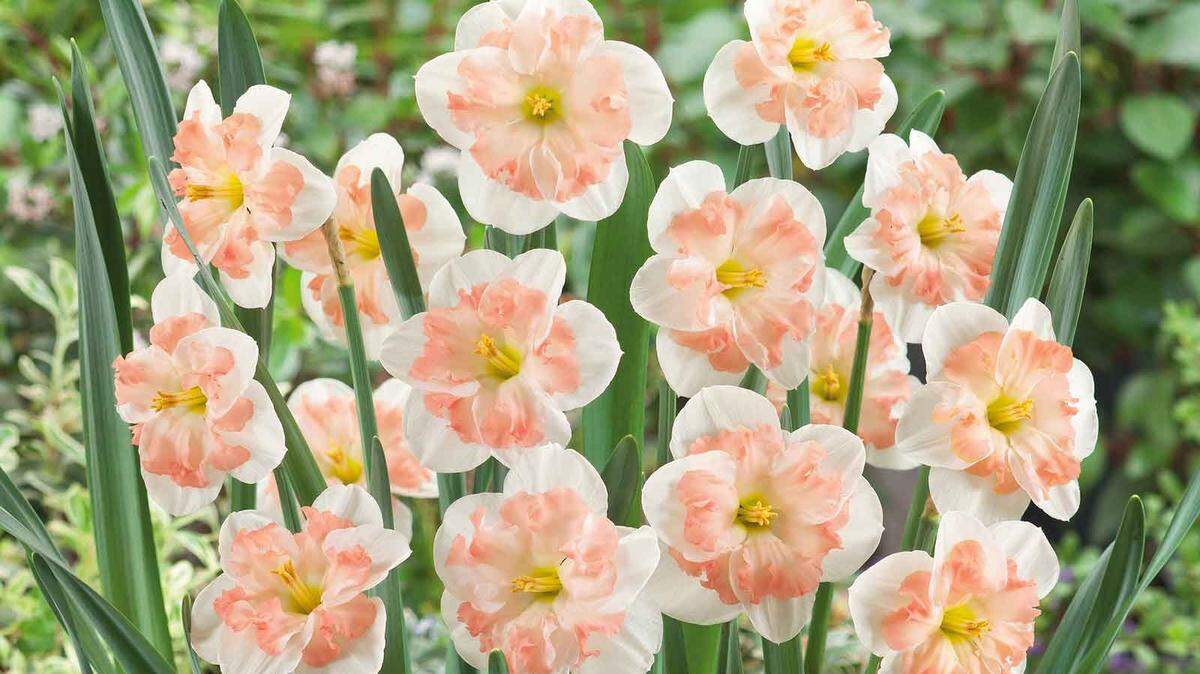
Not everyone loves yellow. If you are looking for soft shades on daffodils or Narcissi that love our climate, consider some of the less common pastel varieties. Don’t expect a true pink or vivid pink — plant tulips if you are looking for that. Instead, these daffodils have a cup that is more apricot.
Pink Charm: white flowers with a cup that appears orange-pink, more the color of apricots. It’s a good naturalizer and this daffodil will grow almost anywhere.
Drama Queen: This is a split cup narcissi with a collar-type flower surround by white perianth petals. The cup or trumpet part of the daffodil is a rosy pink shade along the edges. Very dramatic indeed.
Apricot Whirl: This is called a butterfly narcissi due to the split cup and a very large, pinky salmon cup surrounded by white petals. Yes, it does sound like the variety Drama Queen described above, but trust me it is different.
Tip: Grow all three of these unusual pinkish daffodils in a container with pink and lavender pansies and your spring will be soft and lovely.
Where to buy them: www.tulips.com if you want to order online from a local grower, or ask at your local nursery.
Marianne Binetti has a degree in horticulture from Washington State University and is the author of several books. Reach her at binettigarden.com.