
Thurston County STD rates on par with state as a whole
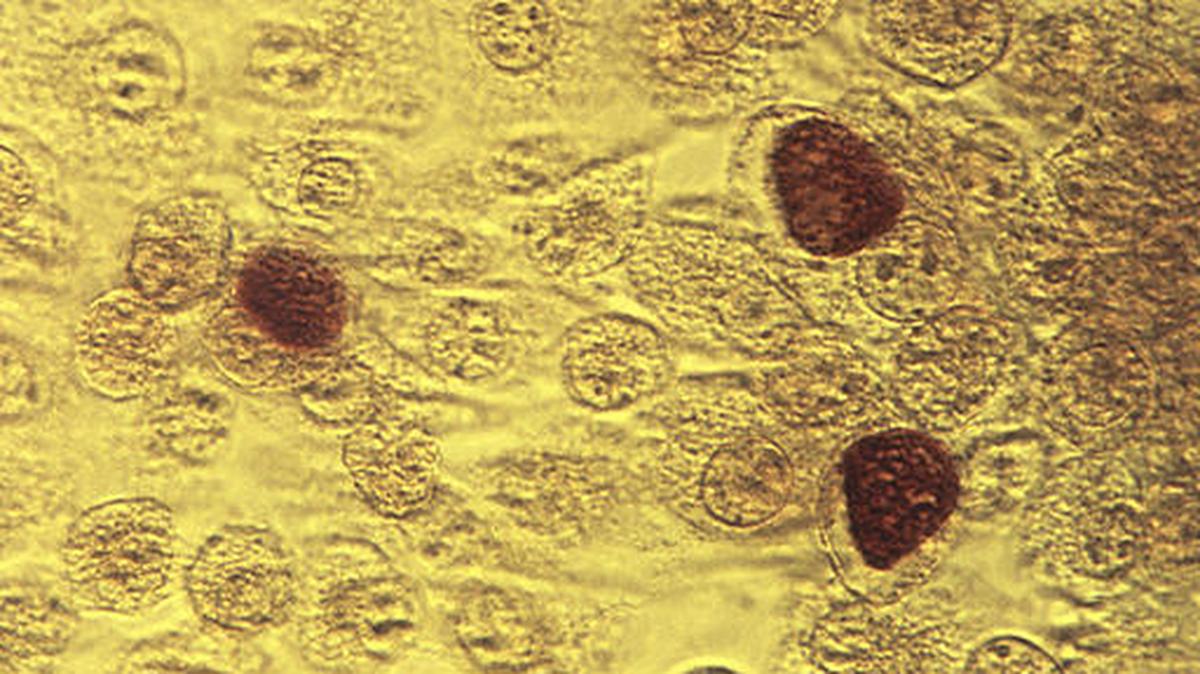
Washington saw more cases of chlamydia, gonorrhea and syphilis in 2016 compared to 2015, according to numbers released this month by the state’s Department of Health.
And Thurston County was about even with the state’s rates for sexually transmitted diseases in 2016, according to county health data.
“There’s no good answer for why it’s happening,” Mark Aubin, sexually transmitted disease controller at the Department of Health, said of the increases.
While the population of Washington is growing, the number of cases per 100,000 also went up. Aubin suggested it could be that more people are getting screened, or better tests are providing more accurate results.
Here are the numbers.
Chlamydia
▪ Thurston County: 1,163 cases, or 427 cases per 100,000
▪ Washington: 31,193 cases, or 434 cases per 100,000
Gonorrhea
▪ Thurston County: 263 cases, or 96 cases per 100,000
▪ Washington: 8,165 cases, or 114 cases per 100,000
Primary and secondary syphilis
▪ Thurston County: 17 cases, or 7 cases per 100,000
▪ Washington: 566 cases, or 8 cases per 100,000
Gonorrhea cases in Washington have more than tripled in less than a decade, while the rate for chlamydia is rising at a slower pace.
Meanwhile, according to the Centers for Disease Control and Prevention, the rate of syphilis cases nationwide in 2016 was the highest since 1993. In April the CDC issued a call to action to address rising rates of syphilis, including new ways to detect and treat the disease.
Public health officials try to interview syphilis patients and track down their sexual partners to encourage them to get tested and treated. In Washington, which had the 15th highest rate for syphilis in 2016, 90 percent of patients are interviewed.
“With syphilis, we really intensely focus on trying to make sure everyone who is exposed gets tested and treated,” Aubin said. “And that is not easy work to do.”
Abby Spegman: 360-704-6869, @AbbySpegman
This story was originally published October 21, 2017 at 7:12 AM with the headline "Thurston County STD rates on par with state as a whole."