
Meet Brandon Block, The Olympian’s housing, homelessness reporter. Tell us what you want covered
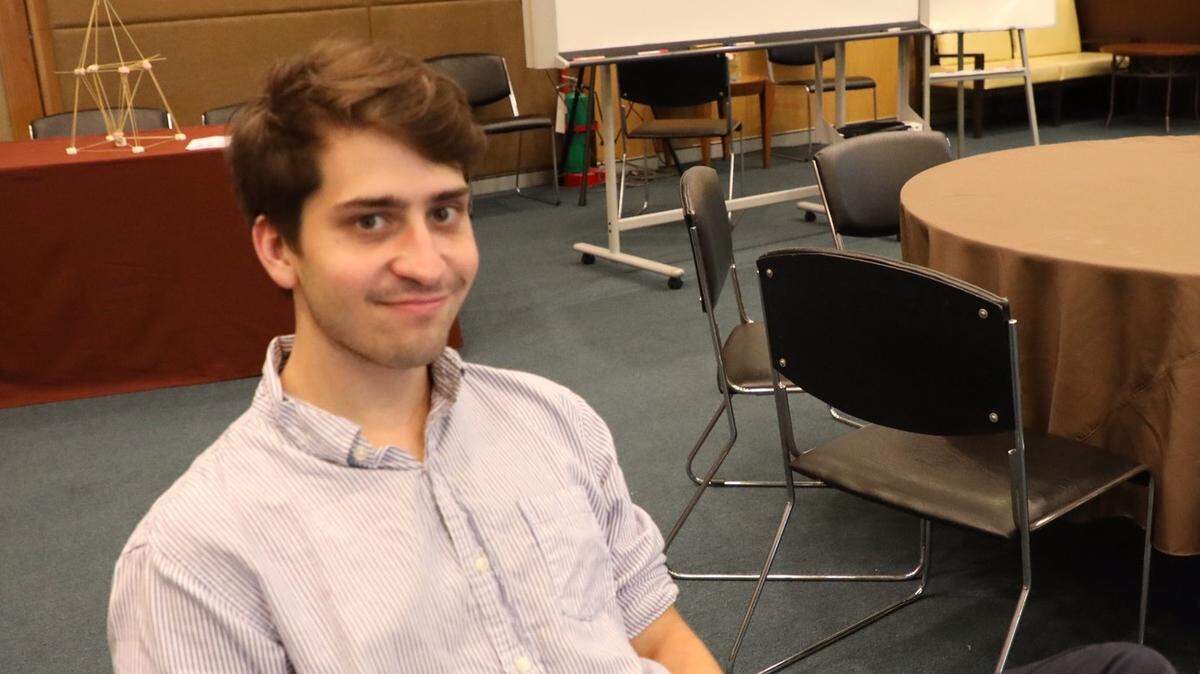
Dear Olympian readers,
After the months-long process of planning and fundraising undertaken by The Olympian, I am thrilled to begin working full-time on covering the essential and pressing issues of housing and homelessness.
Over the next year, I will be devoting my time and energy to telling stories about the housing crisis in Olympia, and how it affects the residents of this city, whether or not they have a house.
I am excited to hear from folks on the ground – including advocates, providers, and outreach volunteers – but most importantly, the voices of houseless folks themselves telling their own stories.
We are taking a solutions-based approach to this, looking at the many factors that can lead to homelessness – such as losing a job, being evicted, incarcerated, experiencing abuse or trauma, mental illness, or addiction – and actions the government, nonprofits, faith organizations, and individuals can take to address those issues.
As a reporter, I believe it’s crucial to put these stories into context. That means talking about the economic forces that make safe and decent housing unaffordable for many families. It means naming and understanding the drivers of homelessness that are bigger than Olympia – including poverty, inequality, incarceration, and racism. To identity solutions, we first must recognize the problems.
While our focus is local, we can’t ignore specific decisions made at the federal level – such urban renewal programs, dwindling funding for public housing, and the closing of facilities for those with long-term mental health conditions – that have contributed to the increase in people living on the streets without shelter over the past several decades.
I’ve been here for two weeks now, and almost everyone I’ve spoken to has had something to say about housing and homelessness in Thurston County. It seems to be the issue most on everyone’s mind, even in a pandemic and during protests, whether I’m talking to a homeowner, an aid worker, a small business owner, a resident concerned about the environmental impacts of encampments, or simply a neighbor who cares about the health of their community.
Being a reporter is great, I think, because it’s a perfect excuse to talk with anyone and everyone about the issues that matter to them. I’m grateful to have the chance to hear and learn from this community, and I’m looking forward to having more conversations in the coming year.
Join me on Zoom
To that end, I’ll be hosting a Zoom event where you can get to know me and tell me what issues and perspectives on housing and homelessness you’d like to see me address in the coming year.
More details about the date of the zoom will be announced shortly.
If you can’t make it, we’d still love to hear from you! You are invited to share your thoughts in this two-minute questionnaire.
Below I’ve listed some specific issues I plan to cover. What else would you like to see on this list?
Housing court: What happens when the eviction moratorium ends? Increasing rates of eviction and its role in driving homelessness.
Disparities: Why are black, Latinx, LGBTQ, and trans youth are more likely to experience homelessness?
Priced out: The rising cost of housing in Washington and shortage of affordable units.
COVID-19: How has this pandemic exacerbated housing insecurity, and how are local decision-makers responding to the crisis?
And some solutions we’ll be taking a deeper look at:
Reforms to housing law that hope to curb evictions and keep families in their homes, such as a “just cause” ordinance, which was passed in Seattle and is now being considered in Olympia.
Inclusionary Zoning, Accessory Dwelling Units, and other legislative reforms aimed at spurring the creation of new affordable housing.
The Washington State Housing Trust Fund and the City of Olympia’s Home Fund.
Housing first and harm reduction approaches, including developing supportive housing units such as 2828 Martin Way, which aims to provide a long-term solution to houseless individuals suffering from addiction and mental illness.
Using hotels to house those most at risk for contracting COVID-19, as the city and county have done for several families (cities such as Missoula have gone further, purchasing motels to provide permanent housing).
The Downtown Mitigation Site and Plum Street Tiny Home Village.
Olympia Rent Strike, which calls for a federal moratorium on rent and mortgage payments in response to the COVID-19 pandemic.
Brandon Block is a corps member with Report for America, a national service program that places journalists into local newsrooms.
This story was originally published June 3, 2020 at 5:45 AM.