
Wolf Haven involved in release of red wolves in North Carolina
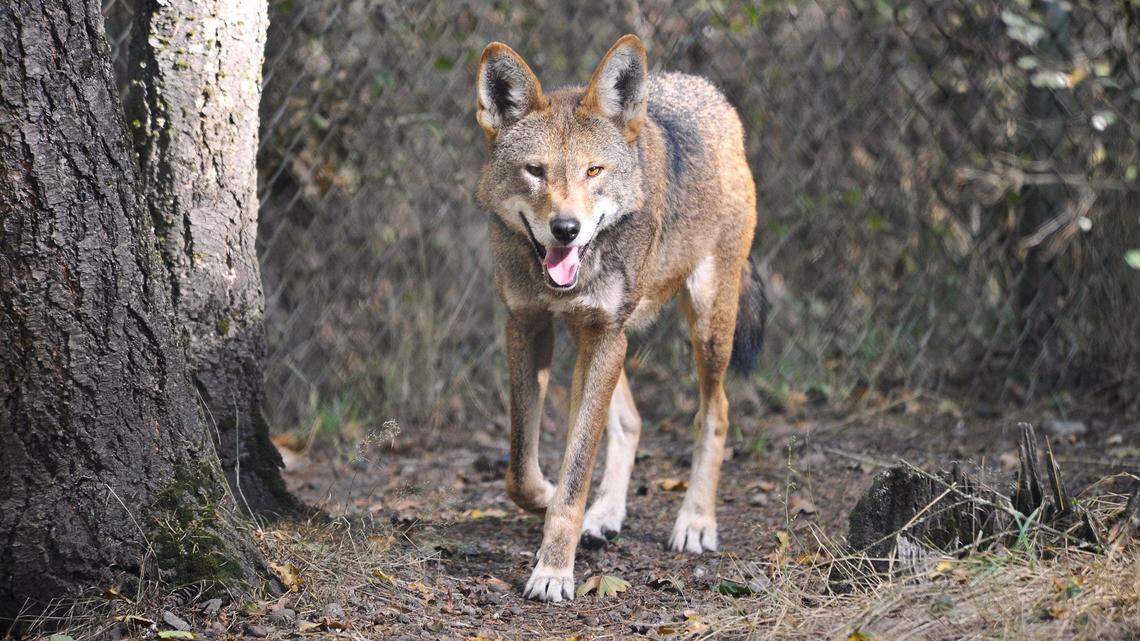
A red wolf from Wolf Haven International in Tenino has been released into the wild in North Carolina with several other wolves from other care facilities in a collaborative effort that marked the first adult release of the critically endangered species since 1998.
On April 30 and May 1, four American red wolves were released into a protected refuge in eastern North Carolina within the animal’s historic range, stated a news release from the Endangered Wolf Center.
Four American red wolf pups from the Akron Zoo were also fostered to a female red wolf in the recovery area, highlighting efforts to maintain “the only wild population of the most critically endangered wolf in the world,” stated the release. It’s the first time since 2014 that red wolf pups were fostered into the wild from managed care facilities.
The adult wolves were from Wolf Haven International in Tenino, the Endangered Wolf Center and the Wolf Conservation Center.
American red wolves are solely native to the United States. The American red wolf recovery effort, led by the U.S. Fish and Wildlife Service, released the first red wolves into the wild in 1987. The wild population grew to an estimated 150 wolves over several decades, but has seen a rapid decline over the past 14 years.
Prior to the release of the wolves, there were 10 known collared red wolves and fewer than 20 total red wolves in North Carolina, stated the release.
“Releasing animals is a conservation strategy that takes individual wolves bred and born in managed care and places them in their native range,” stated the release. “Because the wild population of American red wolves is dangerously low, it is vital to place individuals of breeding age on the landscape to assist in the repopulation of the most endangered wolf species in the world.”