
Here’s what local leaders have to say about turning Capitol Lake back into an estuary
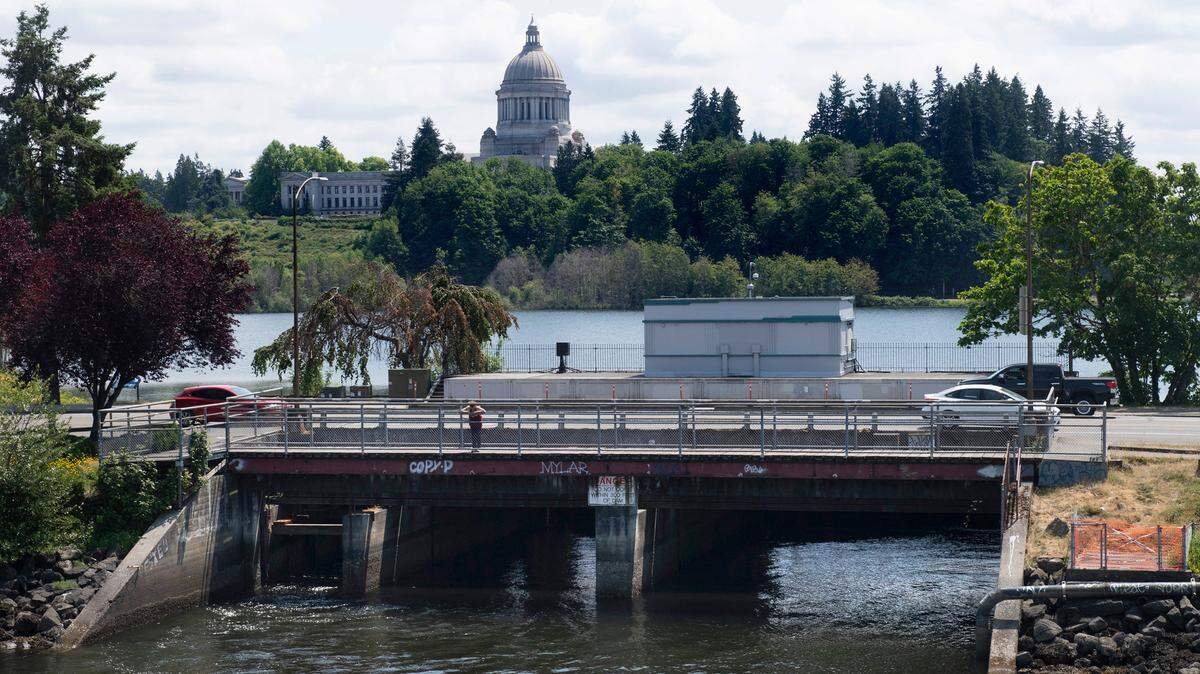
The state Department of Enterprise Services announced Wednesday that the state will likely recommend removing the Fifth Avenue Dam and allowing Capitol Lake to revert to an estuary, allowing free flow between what is now the lake and Budd Inlet.
The decision is the state’s because the man-made lake is part of the Capitol Campus. But the decision — which has been decades in the making — will have far-reaching effects, from impacts on Port of Olympia operations to downtown aesthetics.
Before last week’s announcement, DES received more than 800 comments on a draft Environmental Impact Statement for the lake, which included three different options: managing it as a lake, returning it to an estuary or a hybrid of the two. Responses from the public are divided between the three.
The Olympian reached out to local leaders to hear what they had to say about the decision after more than 70 years of the lake’s existence.
Olympia Mayor Cheryl Selby said she feels really good about the DES’ decision because decades of inaction have resulted in a very unhealthy body of water.
DES manages state property and was tasked with producing and soliciting comments for a final Environmental Impact Statement that will guide the long-term management of the lake.
“When they announced the EIS was going to come forward with recommending the restoration of the estuary, my council was thrilled,” Selby said.
The City of Olympia had made clear its desire to return the lake to an estuary. In October, the city signed an accord with the Squaxin Island Tribe that included the statement: “Whereas, the recovery of Budd Inlet and the Deschutes River are necessary to restore treaty-protected salmon populations, a mutual goal of Squaxin and Olympia as demonstrated by our support for the restoration of the Deschutes Estuary and our collaboration with the restoration of West Bay.”
Selby said she’s been a part of the decision-making process since she was elected mayor. She has been a member of the executive work group, one of four groups created to provide input and feedback on the future of the lake.
Despite the excitement, Selby said she knows that no matter what happens to the lake, it’s going to take time and it’s going to be costly. But she’s more hopeful now that it’ll return to an estuary in her lifetime.
She said she hopes the recently-passed federal infrastructure bill will provide some funds to push this project forward. She said city officials are working with state senators on where the money is going to come from.
Selby said she knows there are fears about the impact on recreation if it’s returned to an estuary, as well as the smells that come along with tidal mudflats. But, she said, before the lake was dammed, people could boat up a channel to the Old Brewery on the Deschutes River and other locales when the tide was high — though not during low tide.
“It’ll be a more dynamic waterfront, with tidal movement coming in and out,” she said. “It will always look different, depending on the time of day and the time of year.”
She said she was sold on the idea of an estuary after visiting cities in the southern United States such as Charleston, South Carolina, and Savannah, Georgia, and seeing how they thrived. And the natural smells of mudflats aren’t as bad as many people think they are, she said, especially with modern storm water management.
Selby said restoring the estuary is a step in the right direction for the city’s response to climate change. And despite fears, she said the port will continue to exist no matter what. It may just require a strict sediment dredging schedule, she said.
Thurston County Commissioners rated the estuary option the highest in their feedback on the draft environmental impact statement, said Board Chair Carolina Mejia.
“I am happy to see that the state of Washington’s decision is in alignment with the county’s perspective,” Mejia said in a statement.
Mejia, who represents the centrally located District 1, said the rating was based on an average of each Commissioner’s scoring.
But Commissioner Gary Edwards’ opinion diverged from the rest of the board.
Edwards, who represents District 2 in east Thurston County, sees the state’s decision as a mistake. He told The Olympian he does not support the estuary option because he thinks it will damage the ambiance of downtown Olympia.
“If they go this route, it ends up creating this tide flat, swamp if you will,” Edwards said. “It smells bad at certain times when the tide’s out.”
Edwards said he already believes the city has been hurt by a mismanaged homeless crisis, and this will further threatened the county’s only real downtown.
“I was born and raised here, and it really hurts me to see the deterioration of this community,” Edwards said. “I think (the estuary) just going to be part of that deterioration.”
He also is concerned about how the project may affect the economic development of the nearby port. The Port Commission had preferred a managed lake option. Port Commissioner Joe Downing previously said he worried increased sediment from an estuary could impact port operations.
Edwards said he isn’t satisfied with the state’s review of the Deschutes River drainage into the lake and Budd Inlet.
In a public comment submitted last year, Edwards called for an analysis of the upper Deschutes Watershed for the project, since activities upstream will contribute to water quality at the lake.
Commissioner Tye Menser declined to comment on the state’s likely recommendation.
Update: This article was updated March 21 to include comments from Thurston County Commissioner Carolina Mejia.
This story was originally published March 20, 2022 at 5:00 AM.
.jpg)