Incarcerated individuals in WA could soon be paid minimum wage under new proposal
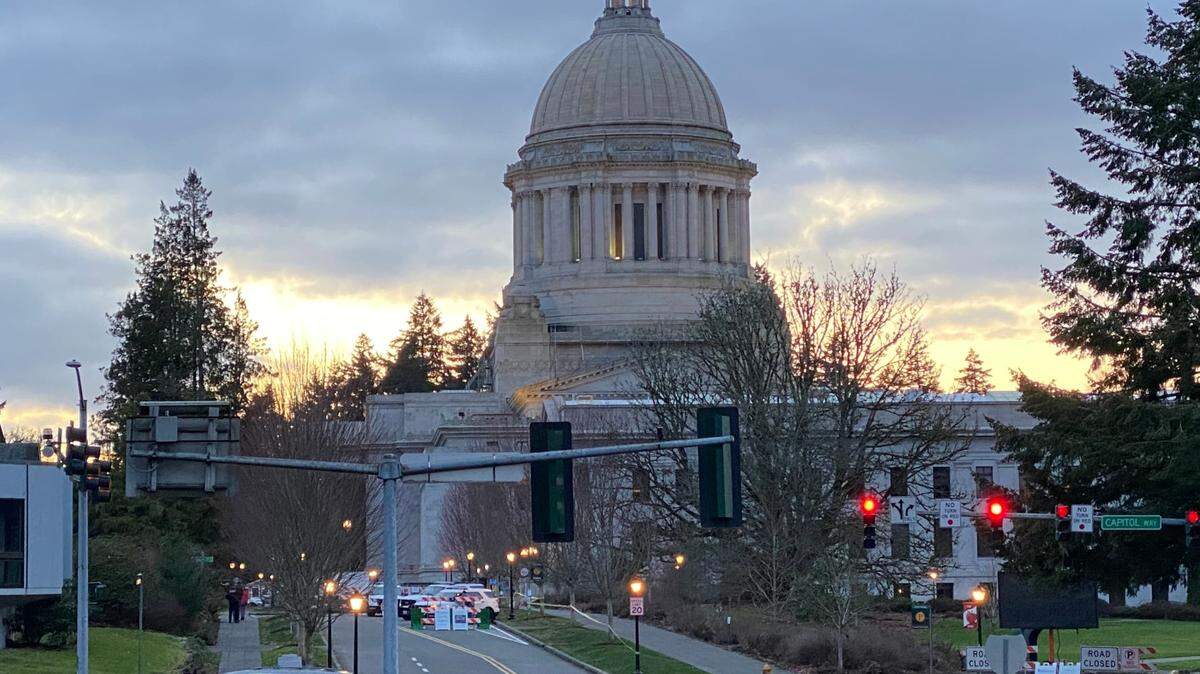
Most of those incarcerated in Washington state currently make less than a dollar an hour doing jobs such as janitorial work, maintenance, laundry or cooking in the correctional system.
The wages may change depending on the job, with some being paid slightly more, but none of the inmates in the state come close to making minimum hourly wages while incarcerated.
One lawmaker with experience in the correctional system in Washington wants that to change.
Earlier this month, Rep. Tarra Simmons, D-Bremerton, a formerly incarcerated lawmaker, prefiled House Bill 1024, otherwise known as the “Real Labor, Real Wages Act,” which would require incarcerated individuals to be paid minimum wage while working.
“This really was because of my own experience of working for 42 cents an hour while I was in prison and realizing that if it’s not the incarcerated people working, the state would have to pay Teamster or union jobs to do this work,” Simmons told McClatchy.
Before becoming a lawmaker, Simmons was sentenced to 30 months in prison for theft and drug charges in 2011. Though she struggled to find housing and employment after her release, she graduated from Seattle University School of Law in 2017 with honors, eventually challenging the Washington State Bar Association after being denied to take the exam because of her record.
The state Supreme Court later unanimously decided to allow Simmons to take the bar exam, and today she is a lawyer as well as co-founder and director of the Civil Survival Project, a program that advocates for those who are formerly incarcerated.
Simmons told McClatchy that currently the state budget is being offset through a practice that she believes is immoral, while also not helping incarcerated people help pay for things such as child support, or restitution owed to victims. Additionally, when people exit prison they are only given a small sum before being released, oftentimes into situations where they have no support. This leads to further recidivism, homelessness and sometimes substance abuse, according to Simmons.
While incarcerated, Simmons said she was forced to work the graveyard shift for 42 cents an hour. If she refused, she could have faced a major infraction, gone to solitary confinement or risked losing visitation times with her children, a reality that individuals still under confinement face every day.
“This is already a very highly traumatized and marginalized population and then this system and these policies are further traumatizing and marginalizing people,” she added.
In her proposed bill, Simmons would like to see a portion of the money go to a savings account that incarcerated individuals would have no access to until they are released, while the other portions would go to things like child support and victim restitution.
Simmons believes the bill is a “win-win” for everybody, while also relieving the state of an immoral practice rooted in the 13th Amendment.
On Dec. 6, 1865, slavery was abolished under the 13th Amendment after being ratified. But a loophole in the amendment still allows slavery “as a punishment for crime whereof the party shall have been duly convicted,” meaning incarcerated individuals can be paid close to nothing, and sometimes nothing, for providing goods such as license plates, or furniture used by many entities, including state agencies and universities, or services such as laundry and cooking.
Simmons said she believes the measure would also help advance racial equity and racial justice, as well as promote positive re-entry and public safety.
Over 1.2 million people are currently incarcerated in the US and a recent study by the American Civil Liberties Union estimated that approximately 791,500 of those work within the correctional system. Those workers produce “more than $2 billion a year in goods and commodities and over $9 billion a year in services for the maintenance of the prisons where they are warehoused,’‘ the ACLU report noted.
Simmons’ proposed measure could stand a chance with some bipartisan support in the state, as well.
House Republican Leader Rep. J.T. Wilcox told McClatchy that he isn’t opposed to paying incarcerated individuals more than the current rate, but said he believes that a “percentage or large percentage” should go to punitive restitution for victims.
He added that he believes that in past years, Washington House Republicans have been open-minded about financial issues in regards to those convicted of crimes. When asked if he thinks other Republicans in the House would be willing to support Simmons’ measure, he said Republicans have always tried to keep the interest of the victims as the “uppermost” priority.
“If we could be doing both things here — if they (incarcerated individuals) could be getting paid a fair wage and a large proportion of those dollars would help pay off victim restitution, I think that there’s a path,” Wilcox said.
During the 2022 legislative session, Wilcox, as well as several other Washington House Republicans, voted for a measure proposed by Simmons to waive legal financial obligations for formerly incarcerated individuals who could prove to a judge that they were unable to pay because of hardship.
Other states have passed similar legislation to Simmons’ newest proposal already.
In March, a law went into effect in Colorado that would pay incarcerated individuals the state minimum wage if those individuals met certain criteria such as being within a year of their release date and getting work through a state-led program with private companies, the Pew Research Center reported. The bipartisan measure was sponsored by Republican Colorado state Rep. Matt Soper.
However, due to staffing shortages within the state-led program, no inmates have been able to participate in recent months.
Some states do not pay working incarcerated individuals at all including Texas, Mississippi, Alabama and Arkansas, unless they work certain jobs, according to the ACLU.
The 105-day legislative session in Washington convenes on Jan. 9.
This story was originally published December 24, 2022 at 5:00 AM.