
Olympia City Council approves sale of property for 180-unit housing project
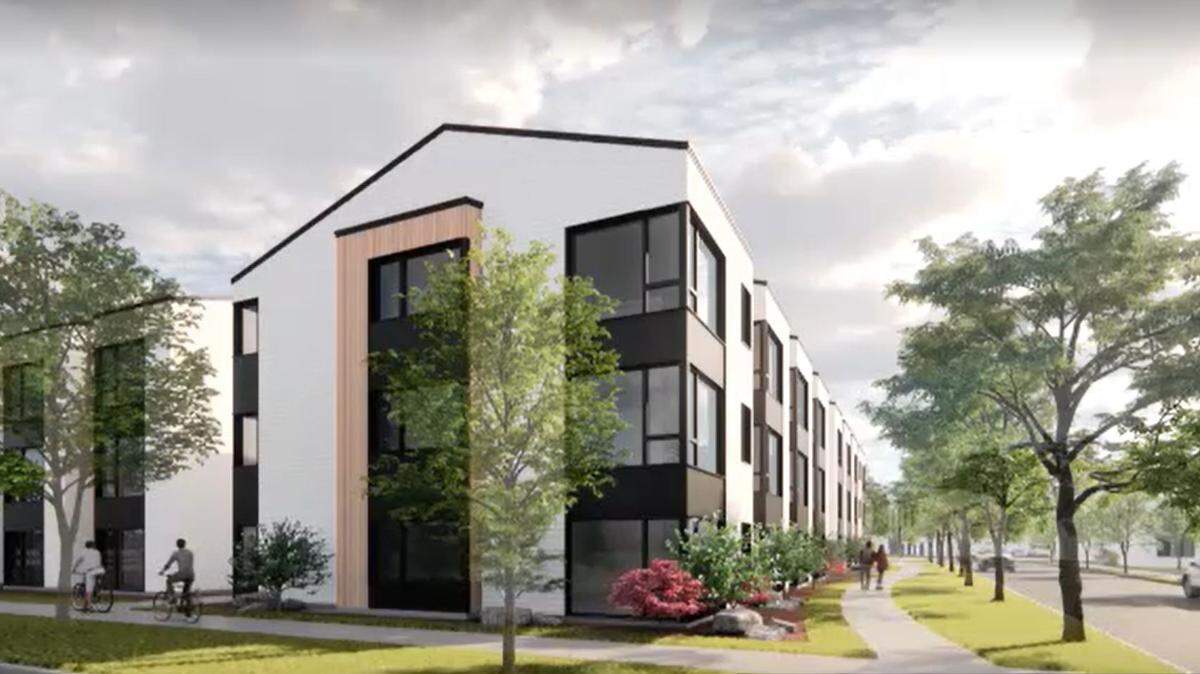
South Puget Sound Habitat for Humanity is one step closer to breaking ground on its largest housing project to date.
The Olympia City Council received a briefing this week about the project at 3900 Boulevard Rd. SE and later approved a resolution to officially sell the 10-acre property to Habitat for Humanity for $1.
The deal is so affordable because it comes with a deed restriction. The property has to be used to build affordable housing, serving households at or below 80% of the area median income. The median household income in Thurston County in 2021 was estimated to be $81,693, according to the Thurston Regional Planning Council.
Economic Development director Mike Reid said the organization has to build a minimum of 100 total units with a minimum of 65 being owner-occupied affordable housing. If they fail to meet any of these requirements, the property goes back to the city.
But Reid said so far, Habitat for Humanity has exceeded the city’s expectations. The city council wanted there to be housing for a mix of income levels, connections to LBA Woods, a neighborhood commercial center and more.
He said the organization’s plans show 123 units in total, and all will be owner-occupied affordable housing. It’s possible that number could go up or down a bit. There’s a one-acre site next to the property the city might attempt to rezone for a 3,000-square-foot commercial space. There will be 27 senior cottages, 48 townhomes, and 48 multi-family units, making it the largest housing project the organization has taken on, Habitat CEO Carly Colgan said.
Colgan said Habitat for Humanity intends to sell these homes once they’re built. She said there are obvious financial benefits to being a homeowner, such as having a net wealth 44 times greater than a renter. And when spending less than 30% on housing, she said people are able to allocate that much more to healthier foods, medicine and other necessities.
“We recognize the vast benefits and social return on investment that home ownership provides, both for individuals and the community at large,” Colgan said.
She said children of homeowners are 25% more likely to graduate high school, and that home ownership roots people in the community unlike anything else.
Council member Dani Madrone echoed that sentiment and said having access to affordable home ownership really made a difference for her in terms of knowing she could stay in the city she calls home.
Colgan said she wanted to paint a clear picture of who it is they’re serving. She said the average salary of a teacher in Olympia is $55,000 a year. That means a single parent with two kids who’s a teacher in the community would qualify. Their clients come from all walks of life, including educators, medical assistants, bank tellers, parents working multiple jobs and seniors.
Colgan laid out what it would take for someone to get a Habitat for Humanity home. She said it takes demonstrating the need, which includes being cost burdened by housing or living in unsafe or temporary conditions. And the homeowner has to be an active participant in the process, working with the community and Habitat for Humanity. They’re asked to volunteer 300 hours with the organization, which Colgan said gives homeowners the opportunity to build their home alongside other community members.
Those interested also have to show they’re able to pay the bills. She said people should expect to pay for the typical charges such as monthly mortgage, property tax and homeowners’ insurance.
Colgan said homeowners they work with walk into a bank and apply for a loan just the same as anyone else. They’re just able to borrow less, usually around $150,000. The rest of the money needed to build the home and get things turned on comes mostly from grants and donations to Habitat for Humanity.
The organization will have a 90-day feasibility contingency period to ensure the project can be accomplished under the conditions laid out in the contract. If the contingency is removed, the property will be officially transferred to Habitat for Humanity 20 business days later.
This story was originally published March 9, 2023 at 11:51 AM.
.jpg)