Lacey slashes overdue water bill total by $1.7M as stern measures push residents to pay up
Lacey City Council got the message in April: The city needed to address about $2.23 million in overdue water bills — largely a hangover created by the COVID-19 pandemic — with ratepayer notifications and help from the nonprofit Community Action Council.
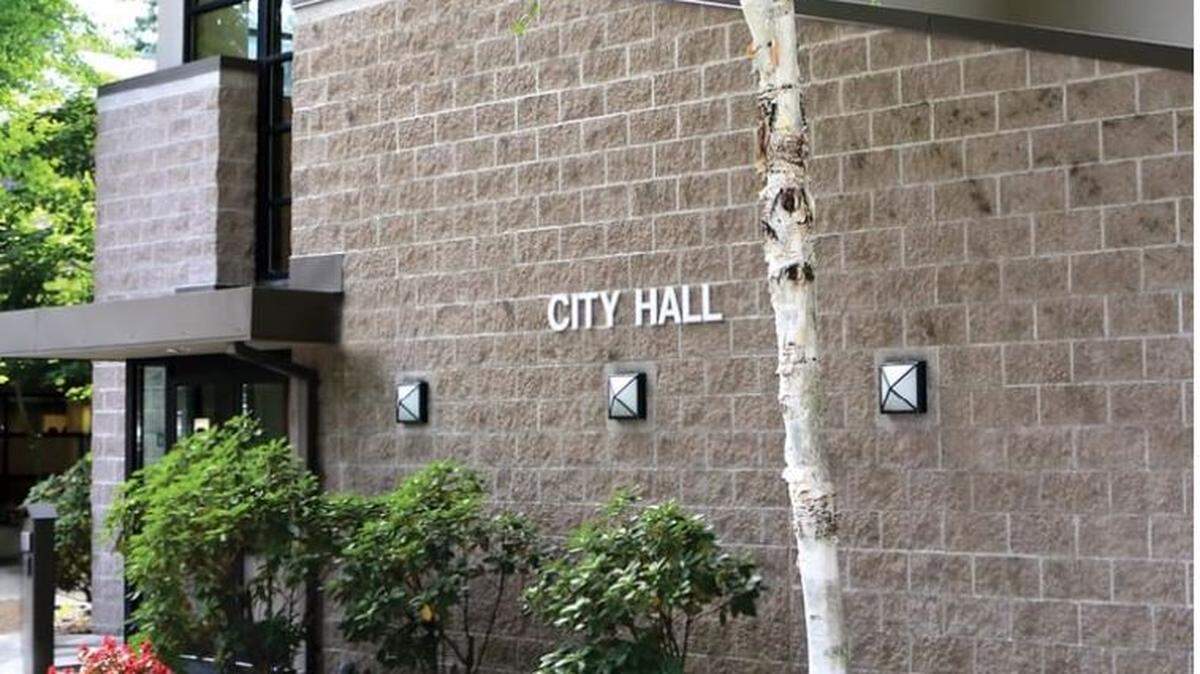
Working with the city, Community Action Council representatives set up shop at City Hall so that residents could come in and take advantage of funding available to pay those bills.
The results of the effort are that the city has slashed that total to $544,000, said Troy Woo, the city’s finance director. Although the number is not at zero, $544,000 is a much more manageable figure for the city and a more typical outstanding balance, he said.
About 250 ratepayers took advantage of the Community Action Council funds and received about $440,000 in assistance, Woo said.
But there were some tougher measures as well: About 1,000 ratepayers were sent to collections, and another 1,000 ratepayers had their water shut off, he said.
Who was sent to collections? Those who had a bill that was overdue by more than four months.
“We are not allowed to shut off water for balances that are four months old,” he said. “Anything over four months and we have to go a different direction.”
That different direction is to assign those unpaid balances to a collection agency, and if they are not successful, they will eventually come back to the city, Woo said.
For especially stubborn cases, the bills sometimes are not paid until the property in question finally changes hands. Who pays the bill then? It typically comes out of the property seller’s proceeds, he said.
There also were 1,000 ratepayers whose water was shut off between July 10 and July 19. However, about 750 of them quickly came forward to pay their bills.
That left 250 ratepayers without water, but Woo told The Olympian the city has reduced that number to 89. Of those, he thought some of the properties likely were vacant.
Once the bill is paid, state law says the city must restore water service within a “reasonable period.” Woo said the city restored service the same day or next day, depending on when city staff were working. There is a fee for an after-hours restoration, he said.
How did the city end up with this backlog in the first place?
During the early days of the pandemic, the state took steps to protect residents by issuing a moratorium that prohibited any termination or enforcement of past due utility bills. Woo acknowledged it was the right thing to do because businesses were forced to close and the economy crashed, making it difficult for residents to pay bills.
This story was originally published August 7, 2023 at 5:00 AM.