
Olympia advocates appeal for more community engagement, events with veterans and military

There are many things that can influence a person’s mental health — work, family, environment, and so on. Research shows that substantial life changes can be hard on the psyche, that big transitions can bring major stress, physically and mentally.
Veterans and military face many of these types of challenges. While military training and active duty are hard on a soldier, the transition back home can be even more difficult than their work.
The difficult transition back to civilian life is one of several factors impacting veteran crises and suicides at a national and local level, according to Keith Looker, manager of the Lacey Veterans Services Hub. He said the pandemic also had a major impact.
“COVID really brought it to a head,” Looker said in a recent interview.
Because of this, the Veterans Hub in Lacey is trying to identify soldiers who could be at risk and reach out to them. The outreach aims to make sure active duty military in the area know about available transition and post-duty resources and how to use them.
Resources for veterans, active duty military
According to Mental Health First Aid, less than half of returning veterans in need receive mental health treatment.
Yet active duty military and soon-to-return soldiers in Washington State have many resources available, from grants to community organizations and free regional programs.
In addition to offerings from the Veterans Hub in Lacey, there are numerous additional local and state resources available.
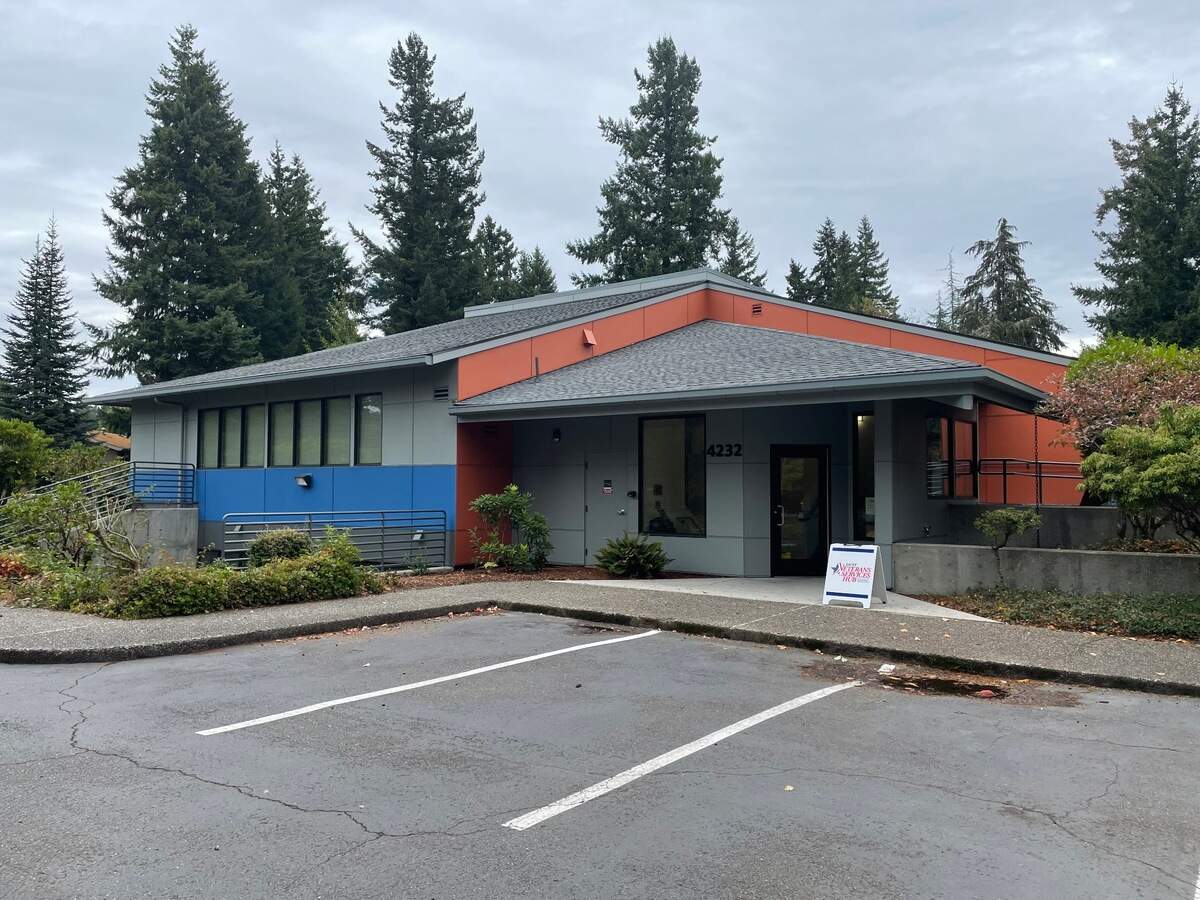
▪ Thurston County, Lacey Veterans Services Hub
- Benefits assistance
- Education benefits
- Financial assistance
- Food Bank
- Healthcare coverage
- Housing assistance
- On-site counseling
- On-site peer-to-peer support
- Transportation
- Veterans Assistance Fund
- Call 360-456-3850
▪ Washington State
- DSHS Housing and Essential Needs Referral Program
- Washington Veterans Homes
- Washington State Department of Veterans Affairs
▪ Nationwide
- Food Stamps - 877-501-2233
- Grant and Per Diem - 1-800-827-1000
- National Call Center for Homeless Veterans - 1-877-424-3838
- Veterans Crisis Line - Call 988, then press 1 or text 838255
▪ Examples of community prevention
- Veteran-specific programs, like Hope for Heroes Equine Therapy Consulting.
Community-Led Suicide Prevention Initiative, led by the Education Development Center and Centers for Disease Control and Prevention.
- Veteran-specific events, like the Skyline Adventures veteran ski program at Bluewood Resort near Dayton.
Incorporating Community Context and Culture, offering activities that are culturally relevant.
- Community events for all, like the monthly open market at the Lacey Food Truck Depot, “Sundays in the Park.”
- Donate time, money to programs and resources. Donations to the Veterans Hub go directly toward local veterans.
Veterans Affairs offers suicide prevention tools for families and friends, including conversation tips, support systems and warning signs.
Veteran suicide rates across the country
Like any life transition, leaving active duty comes with a plethora of changes. There is a significant lack of structure in day-to-day civilian life when compared to military service. A nationwide housing crisis also impacts returning soldiers as well, and finding work can be difficult. All of these stressors combined can be hard to manage, especially if they also are caring for a family.
Research supports the notion that suicide and suicide attempts have increased since the onset of the COVID-19 pandemic. For years, veterans have had an adjusted suicide rate higher than the non-veteran adult population. The CDC reported an adjusted veterans rate over 50% greater in 2019.
Veteran suicide rates in western Washington have been consistent with the rest of the country. Suicide rates among veterans rose steadily between 2001 and 2018, according to data from the U.S. Department of Veterans Affairs. Rates began to decline in 2018, a trend that held through the COVID-19 pandemic.
By 2020, the average veteran suicide rate was 16.8 per day.
The most recently available data from Veterans Affairs is through 2020. But Looker said he has noted a post-pandemic increase, consistent with an increase in active duty soldiers. In recent years, he says there has been an increase in suicide among 25- to 32-year-olds transitioning out of the military.
Preventing veteran suicide in WA
So how can other people help prevent suicide by veterans and active duty soldiers? Looker told McClatchy that making veterans feel like they’re a part of the community can help.
Veteran service organizations and community events make a difference, according to Looker. He said such gatherings used to be more commonplace, but in an increasingly digital world, many have taken a backseat. Building community partnerships can also make a difference for veterans by creating an opportunity to make connections, be social and gain trust in new places.
“Just stuff like that, helping to build that community partnership and make it feel like they have someone to turn to in that community if they need help,” Looker said.
This story was originally published August 9, 2023 at 10:56 AM.