
Joint Animal Services gets $1 million from state for new, bigger shelter
Joint Animal Services operates out of a failing warehouse from the 1970s originally constructed to store gas and propane.
Since moving into the site on Martin Way East in 1996, Thurston County’s animal shelter has faced a slew of challenges requiring multiple floor replacements and a fire system replacement. Additional building repairs are projected to cost hundreds of thousands of dollars.
And it doesn’t have enough room to shelter the animals coming to its doors.
However, a new building will soon be on its way. The legislature provided Animal Services with $1 million from its capital budget during the past session to design a new building on a different site. The design process is one of the first steps toward a modern facility.
The current shelter is an 8,000 square feet building with an outdoor module behind it serving as a surgical site and veterinary clinic. It sits on five acres of land overlapping protected wetlands, so only two of five acre are eligible for development.
Executive Director Sarah Hock said a new facility will expand the shelter with modern design that aligns with humane standards of care. She said certain standards of care have been impossible at the current location.
“We follow the Association of Shelter Veterinarians’ guidelines when it comes to standards of care, but in a facility this old, there’s only so much we can do to meet those standards of care, because of the barriers that are in place just from the building itself and the age of the building,” she said.
Proposed changes will address the lack the space and provisions to house animals for an extended period of time.
“When we look at dogs, you’ll also see all the dogs are completely inside right now. That causes issues for a number of reasons,” Hock said. “It’s very stressful. It’s very loud. It causes air pressure changes that affect them behaviorally, and they can see each other, and those are all things that actually create additional stress for dogs in a shelter.”
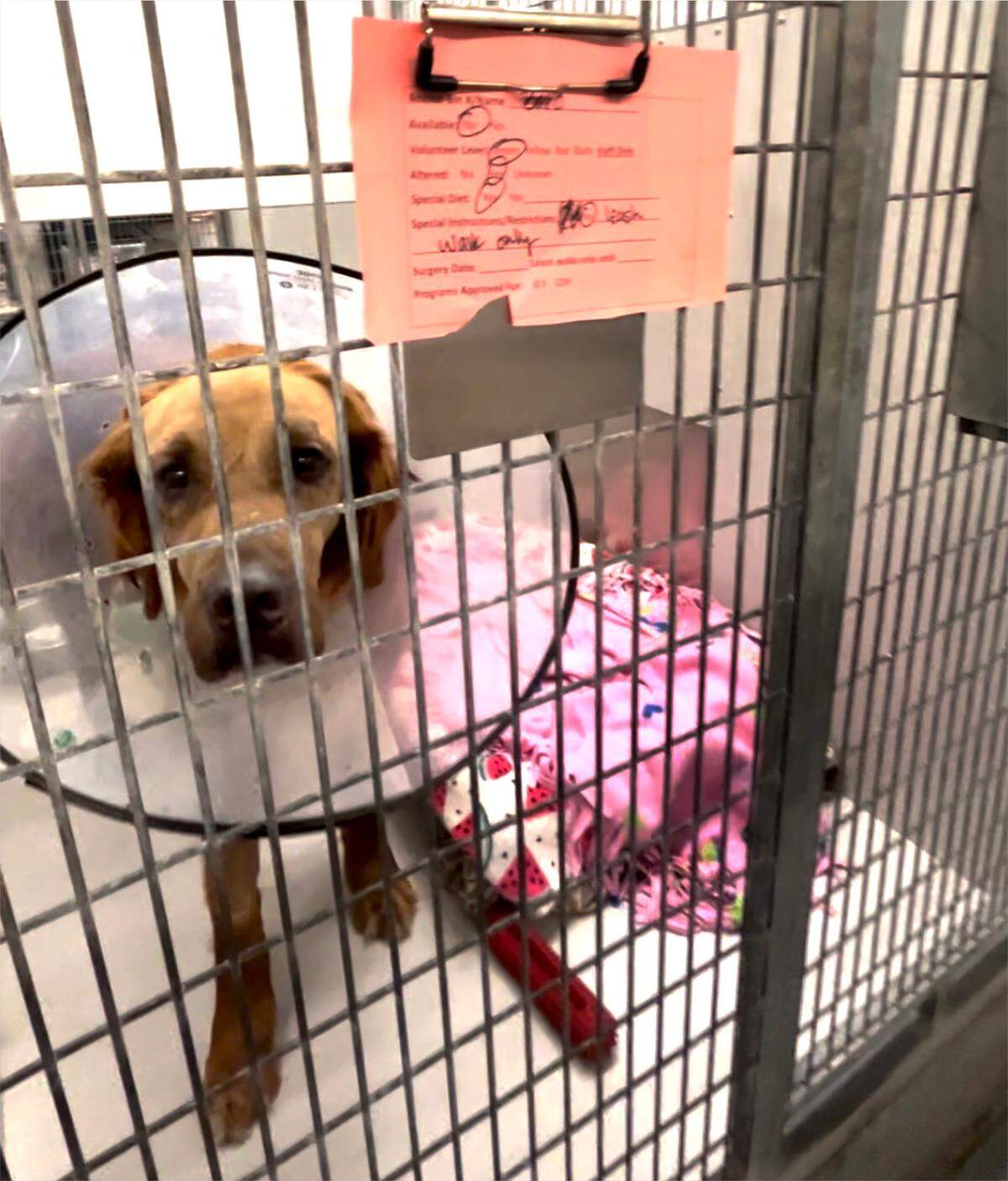
However, JAS hopes to expand dog enclosures and create an outdoor section so the facility can reduce stress from loud, crowded spaces.
“If we’re looking at it being a purposeful design, the kennels would be set up in such a way to accommodate them, both indoor-outdoor,” she explained. “They cannot see each other. When it’s indoor-outdoor, that noise level changes because it’s not all contained.”
While the shelter serves all of Thurston County, Lacey serves as the lead agency. Plans are for a greatly expanded building on a site within 15 minutes of Lacey city limits.
“The programming and the staff and our animal capacity was much greater than what our current space can have and allow, and so we’re operating out of 8,000 square feet. The new design we are looking at would be 20,000 square feet,” she said.
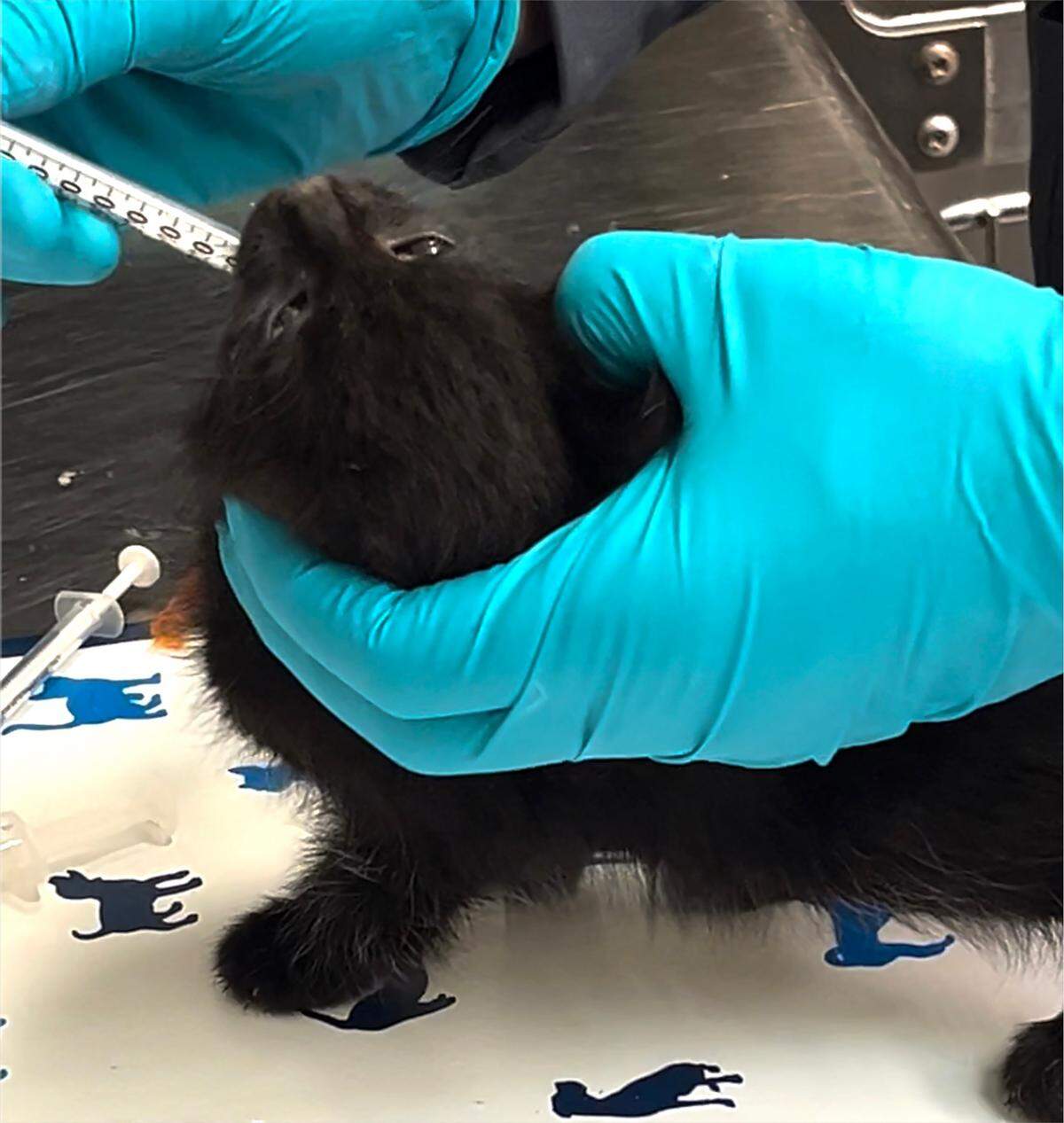
In addition to kennels that support the animals themselves, a larger space will allow the shelter to operate a veterinary clinic and recovery spaces inside of the main building. Since the veterinary clinic and surgical site opened last year, it has operated out of an outdoor mobile unit behind the building.
Designs for a new building incorporate break rooms, locker rooms and office spaces for staff, spaces which are insufficient or non-existent at the current facility.
Hock said the shelter is grateful to Sen. Jessica Bateman, Reps. Beth Doglio and Lisa Parshley, the Olympia area’s legislators, who were involved in the effort to secure $1 million in funding.
However, while the shelter requested $2 million to begin the update process, the legislature granted $1 million.
“We originally asked for two million in funding, but our request was granted for one million. That one million will go towards design plans for the new building,” Hock said.
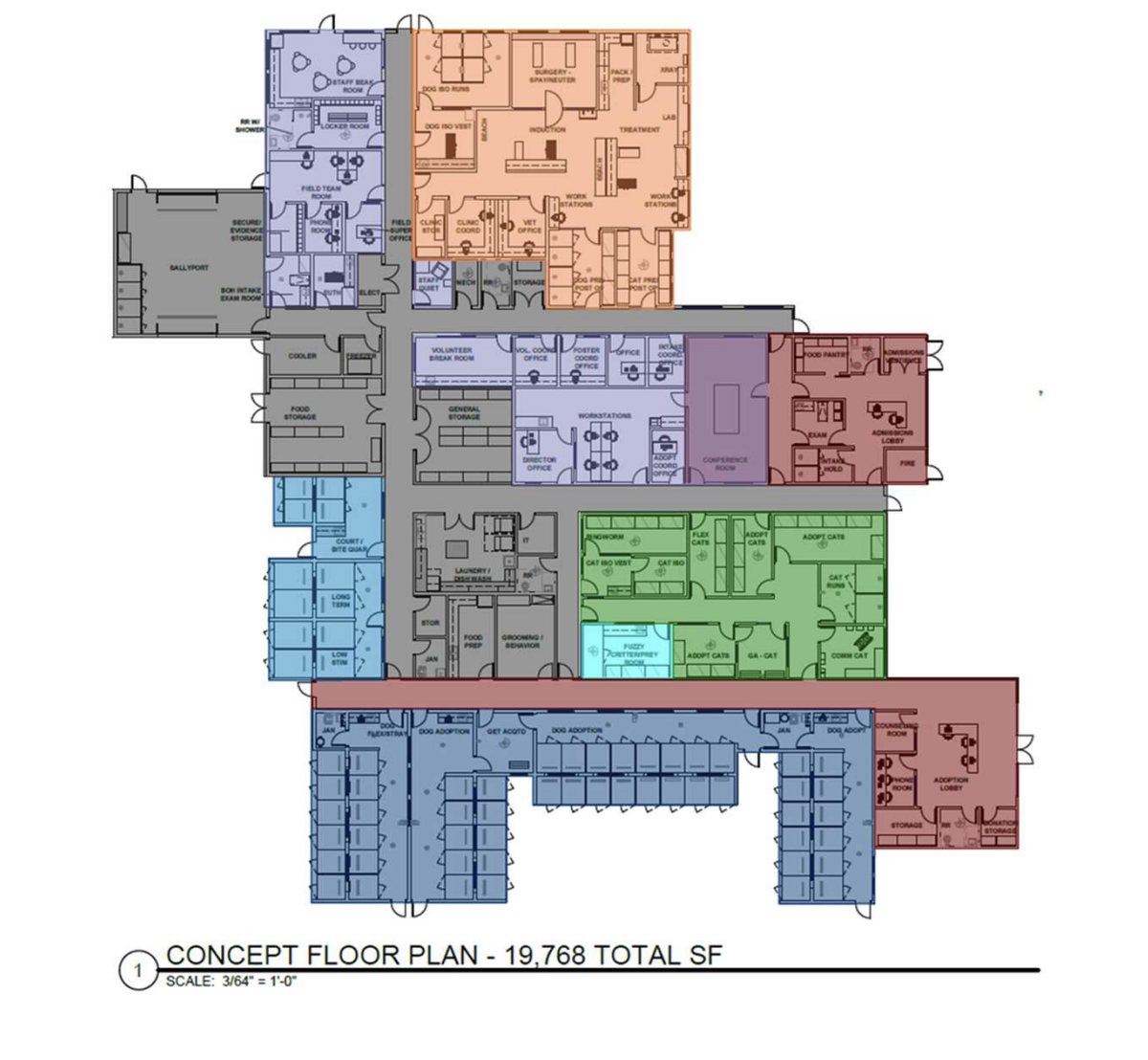
From design to construction, a new building is expected to cost anywhere from $33 million to $41.5 million. Now that JAS has started evaluating potential design plans, Hock said it will work to determine where future funding will come from. She said it could take several years for the new shelter to be fully funded and constructed.
“We don’t have the full answer for where all the money is coming from, but we’re currently in that process. Now that we’ve figured out the size of the building that we would need, what that would look like, and the cost associated with that, it allows us to plan from that financial standpoint of, then, what does that look like?” Hock said.
This story was originally published July 7, 2025 at 5:00 AM.