
What should happen to the Olympia Brewery? Tumwater mayoral candidates weigh in
Tumwater mayoral candidates Leatta Dahlhoff and Lance Brender both want the city to take the reins in steering the future of the Olympia Brewery.
Two recently gave their thoughts on how that might be done, and what the landmark property could become.
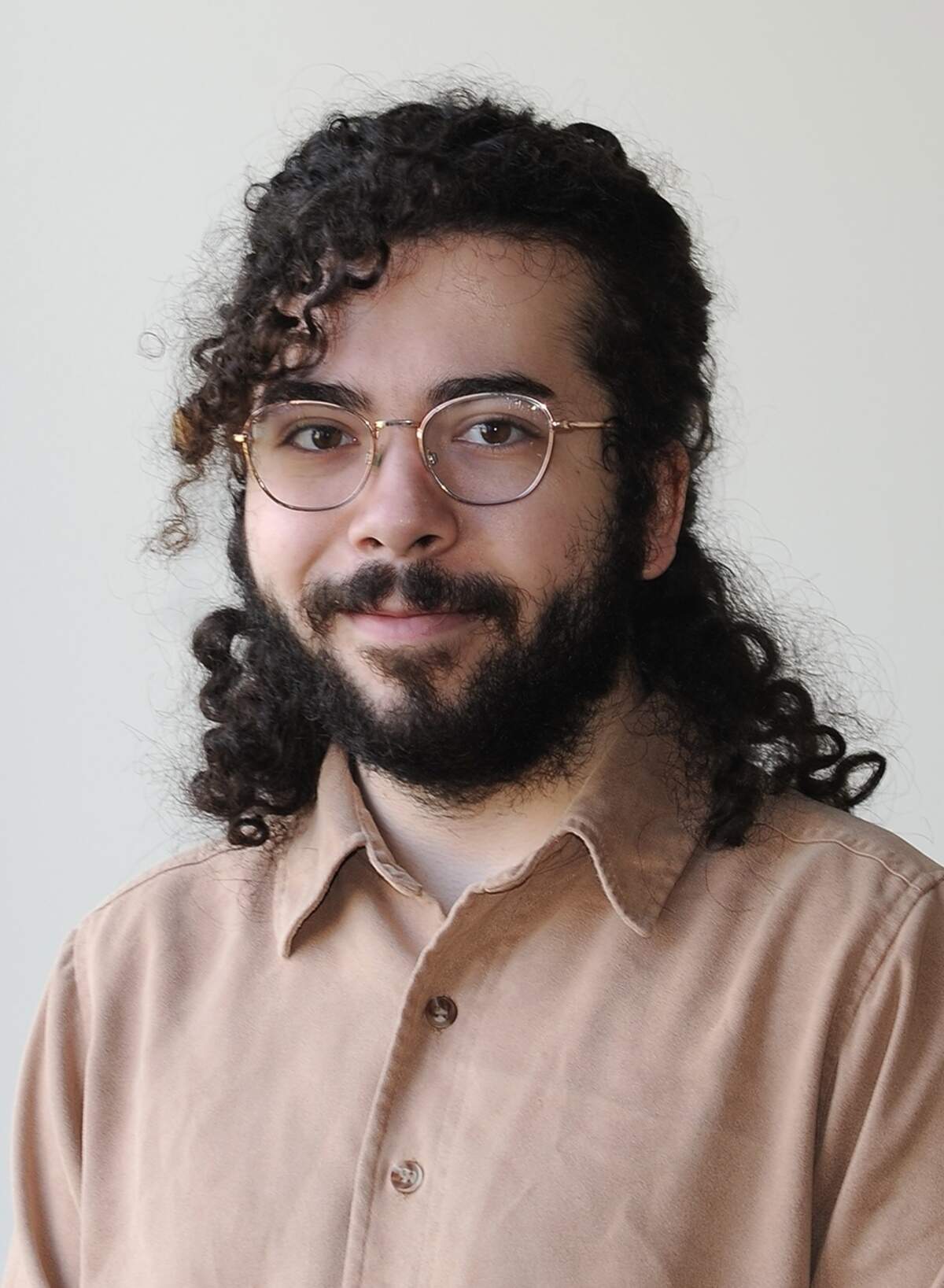
Brender’s take on the situation
Brender, a 20-year Army veteran and business owner, said the brewery campus, once a profitable facility in the heart of the city, has been empty and moldering for 22 years. He said it’s now more than just an eyesore — it’s a target for theft and vandalism, and a source of environmental contamination.
According to Mike Brewer with the local Economic Development Council, the brewery’s environmental cleanup costs are estimated at $60 million, with the land and existing structures valued at around $14 million.
“Add approximately $50 million onto that for repurposing the facilities — let’s use Brewer’s proposal of an apartment and condominium mix — and the grand total stands at about $124 million needed to return the brewery to being a productive member of society,” Brender said.
Brender said that the price tag is big, but not impossible. But public leaders have been trying for two decades to find a solution.
Brender said the city thought it had a solution when Chandulal Patel, a California budget hotel magnate and owner of Tumwater Development LLC, bought the brewery property in 2016. However, little has been done on the property since its closure in 2003.
“The complex continues to lie vacant and in 2021 looters, scouring for scrap metals, caused a chemical spill that cost the public over $11 million in cleanup costs (billed to Mr. Patel and still unpaid),” Brender said.
He said the Tumwater City Council and commissioners at the Port of Olympia met to discuss ideas, including the future of the brewery campus and former WSDOT headquarters on Capitol Boulevard. He said their conversation included creating a case study to be used to lobby for federal and state grant money.
The city was granted $500,000 in 2023 from the EPA for ecological testing. Brender said that’s 1/248th of the estimated restoration cost, and testing has been slow.
“Despite our best efforts, this overall strategy hasn’t worked,” he said. “Worse, it isn’t going to work because it has underlying flaws we simply aren’t addressing.”
Brender said the city doesn’t currently have authority to do anything with the property, since it’s privately owned. He said federal and state agencies aren’t going to give the city the money it needs to clean the property up, either.
“In the last 22 years, we have had four different presidents, as many governors (who work less than three miles away), and the same two U.S. Senators,” he said. “None of them have been particularly concerned about the Olympia Brewery.”
He said the city is trying to fix land it doesn’t own with money it doesn’t have.
How to move forward
If elected mayor, Brender said he’d use the tools the city commands at the local level to incentivize private investors. That could look like using taxation rates, existing funds and city regulations to reduce the costs imposed on builders, so they can use that money for cleanup and restoration.
Brender suggested lessening or postponing taxes, or creating a temporary tax-free zone to whoever agrees to turn the brewery into housing or commerce.
“Or, what if we engage in cost-sharing, as the city did with the new Craft District on Capitol Boulevard, contributing things the government does very well, like utilities?” he said. “Our goal must be to make the tremendous cost of rehabilitation acceptable enough that private industry, which can get $124 million easier than we can, says yes and, over time, realizes a profitable return on their investment.”
Brender said his plan is to invest local tax dollars and forego some upfront taxes so the brewery can be brought back to local hands.
“Then, once rehabilitated, the new residences and businesses we created will increase our tax base, resulting over time in a net increase to the city’s road, park, and school funds,” Brender said.
Brender made a public call to all developers, preferably those in the South Sound, to contact him about what they would need from the city to complete such a project.
Dahlhoff’s quest for a community-driven destination
Dahlhoff, who’s currently the Mayor Pro Tem and has served on the City Council since 2018, said she’s excited about the possibilities that lie ahead for the historic Olympia Brewery property.
“As a cornerstone of Tumwater’s heritage, this site holds tremendous potential to become a vibrant, community-driven destination once again,” she said.
Dahlhoff said future moves could include setting up a public facilities district, and creating a multipurpose community center or a regional aquatic center.
“Each of these options reflects a commitment to reinvesting in our residents’ quality of life — whether through expanded recreational amenities, cultural programming, or creating a sustainable economic engine that draws people from across the region,” Dahlhoff said.
She said at this stage, the city is actively engaging with stakeholders, regional partners and community members to consider what will best serve the public interest. She said she’d like to work more collaboratively with the Thurston County Chamber and the Economic Development Council to align the brewery’s future with broader regional goals.
“If the City of Tumwater doesn’t lead the way in shaping the future of this site, who will?” she said. “I believe it’s our responsibility to take initiative, set the tone, and demonstrate the kind of bold, visionary investment that inspires others to follow.”
Dahlhoff said the property deserves a forward-looking plan that respects its legacy and embraces innovation in how people gather and connect.
.jpg)