
Nonprofits issue statement warning that Prop. 1 will raise cost of child care, other services
Several Olympia-area nonprofit organizations drafted a collective impact statement on Olympia’s Proposition 1 ballot measure and what raising the minimum wage to $20 and adopting a Workers’ Bill of Rights would do to local programs and services.
Across the board, the initiative would raise annual operating costs anywhere from $100,000 to $400,000, mostly through higher wages and related expenses, according to the impact statement.
The statement says this would likely require increasing program fees and membership dues and impact staffing levels and services offered.
Seven organizations included specifics on how Prop. 1 would affect their operations if the initiative is approved by voters Nov. 4.
YMCA
Wage expenses are projected to increase by more than $320,000 in the first year due to higher minimum wages and adjustments to prevent wage compression.
Because wages represent the YMCA’s largest expense, they would likely need to adjust fees for the agency’s large-scale before- and after-school child care program, Y Care, as well as membership dues and staffing levels.
The statement says the YMCA’s goal is to keep increases modest while sustaining its dedicated team and the programs that families depend on.
Hands On Children’s Museum
Operational expenses, including wages, are projected to rise by more than $150,000 annually if Proposition 1 passes, according to the statement. Because the museum does not have “profit” to absorb those financial increases, the museum would have to consider staff adjustments and price increases.
The museum included specific operational impacts in the statement. Local vendors will become more expensive, and part-time teen jobs may decline as the museum prioritizes staff with more availability and experience.
Higher costs may require reducing some of the 30 different programs the museum offers, and it may put strain on its ability to offer free or reduced admission programs.
Boys & Girls Clubs of Thurston County
The Boys & Girls Club projects its budget will increase by $268,000 next year if Proposition 1 passes. It expects program fees per child to increase by 20%, which would be up to $1,150 a year for families.
That number includes membership fees, before- and after-school care, full-day summer day camp, and winter and spring break camps.
The organization may have to reduce the availability of fee waiver scholarships for families as well. According to the statement, 60% of families who use the club’s services receive fee-reduction scholarships, and many need multi-year payment plans.
Fundraising already covers 65% of the agency’s budget; the rest is covered by client families. The agency already lost $100,000 this past fiscal year due to state budget cuts.
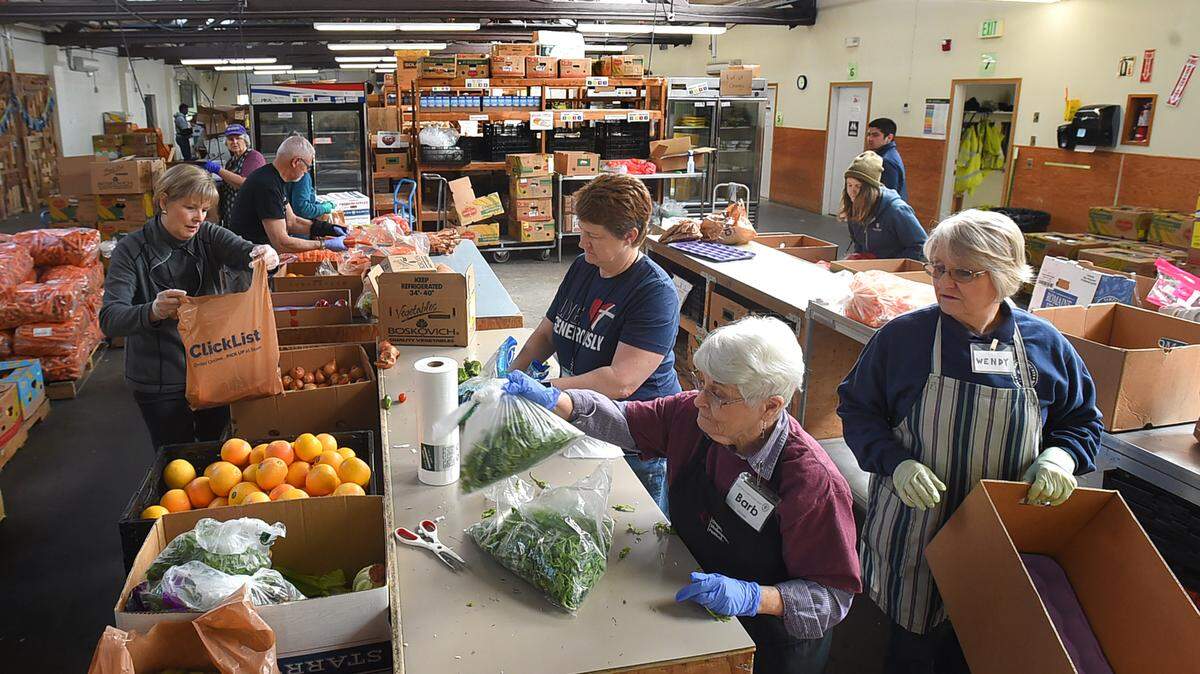
Thurston County Food Bank
The food bank said it’s already facing major challenges as federal funding that supports food insecurity programs has been significantly reduced.
“These cuts have increased demand for our services while reducing the resources to meet the increased need,” the statement says.
According to the statement, the food bank may have to reduce service days at pantries, reduce satellite locations, cut youth and senior programs, and reduce allotments of foods if the initiative passes.
Senior Services for South Sound
If the initiative passes, the nonprofit said it calculates that wages and benefits will go up more than $70,000 next year, and more than $300,000 in 2028.
It said increased wages won’t be covered by contracts the nonprofit has, and the donor community will be fatigued by every nonprofit in the city facing the same challenges.
“We would be forced to undertake a difficult combination of reduced staffing and increased prices, hurting the older adult population that is the least able to change their financial situations,” the statement says.
Washington Center for the Performing Arts
The Washington Center projects payroll costs will increase by more than $90,000 if the initiative passes. That could lead to higher ticket prices for patrons and higher rental fees for local organizations.
The center said there would be reduced organizational capacity to offer free or reduced-fee services or reinvest in programming or equipment. And there would be reduced sponsorship support from local restaurants and businesses.
The center said there also will be a loss of flexible scheduling in an industry that doesn’t run on fixed hours.
“Curtain calls, improvisation, encore, technical delays, and creative needs make precise scheduling impracticable,” the statement says.
The center said there would also be increased costs for small organizations without HR or legal teams.
United Way of Thurston County
The United Way said its focus is on identifying and eliminating the root causes of poverty, with a focus on the ALICE population — Asset Limited, Income Constrained, Employed households. These households earn more than the federal poverty level but not enough to meet basic needs.
According to the statement, the federal poverty level for a family of four is $30,000 per year. The ALICE Survival Budget for a family of four with two children under the age of 5 in Thurston County is $116,000 per year. And 33% of all local households in Thurston County are below the ALICE threshold.
“Even with proposed increases to the minimum wage, many working families will continue to fall short of this survival budget — highlighting that affordability challenges extend well beyond hourly pay,” the statement says.
According to the statement, United Way would potentially see significant increases in nonprofit operating and program costs, if the initiative passes. It may also need to reduce services and accessibility for some people.
The nonprofit said it believes that while Proposition 1 aims to help, it may instead harm the people it intends to support.
The “Yes” campaign responds
Pro-Prop 1 campaign manager Rob Richards said the math isn’t adding up. He said the group saw the collective impact statement for the first time on Wednesday and it was a little hard for them to make sense of.
“The math isn’t math-ing,” Richards said. “And you know, to me, it feels like kind of a fog of information that is kind of confusing.”
Richards said minimum wage has gone up in a lot of communities in Washington and across the country, and there haven’t been any mass business or nonprofit closures, nor disproportionate impacts since on their services.
He said he would challenge the “No” campaign to show concrete examples of where the Workers’ Bill of Rights has been bad for a community.
“Raising the wage puts money in workers’ pockets,” Richards said. “$2 in the pockets of 10,000 workers is about $42 million a year in our local economy. That’s a stimulus check for our downtown.”
He said they’re in the middle of a very aggressive door-knocking campaign right now, and the campaign has received mostly support from residents.
“Affordability is on everybody’s radar. Nationwide, it’s in the news every day,” Richards said. “And just a couple extra dollars to boost people up from a struggling wage to a survival wage is a big step for people. And I think that’s what we’re hearing at the doors, is they need this and they want this, and we hope to see happy results on election night.”
.jpg)