
Tracker put on fish off Cape Cod in 2017 stuns researchers by showing up in Europe
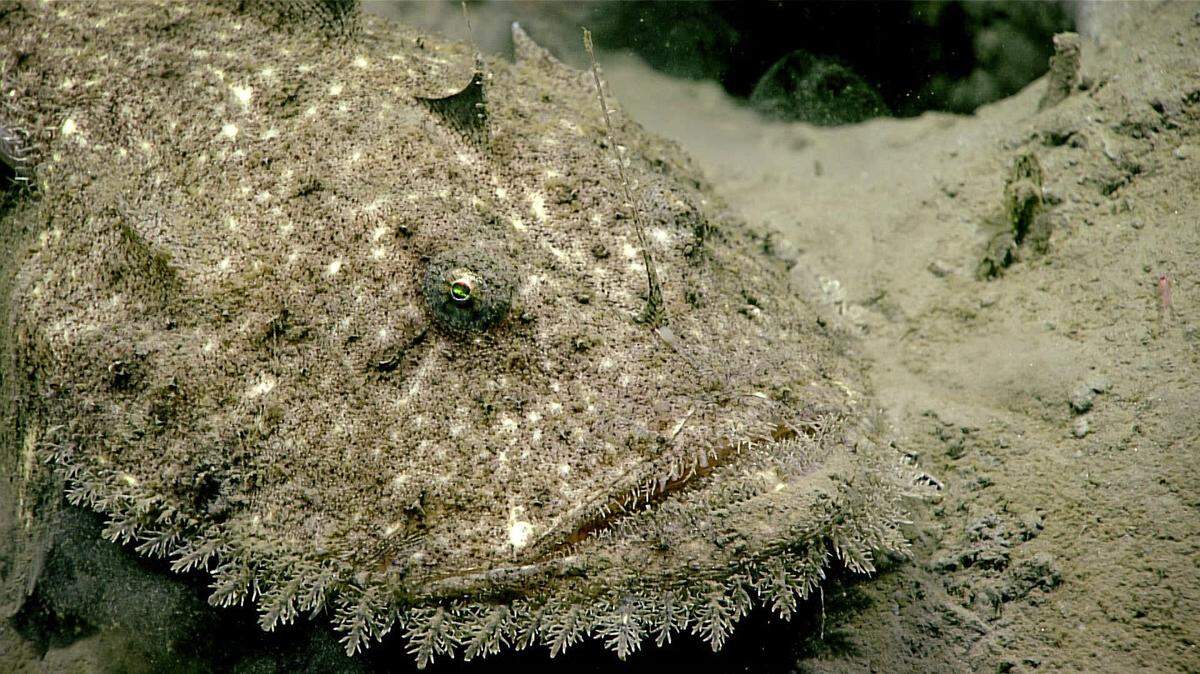
A satellite tracker attached three years ago to a monkfish off Cape Cod has amazed researchers by mysteriously showing up on the other side of the Atlantic Ocean.
The tag — minus the fish — washed ashore on a beach near Lisbon, Portugal, according to researcher James Sulikowski of Arizona State University’s Sulikowski Shark and Fish Conservation Lab.
And by pure luck, the finder was another marine biologist, who was teaching a class at the time, Sulikowski told McClatchy News.
“Amazing story ... Over those 3 years the tag traveled over 5,000 km (3,100 miles),” he said. “And the coolest part of all this is that our study connected us to teachers and scientists across the ocean.”
Sulikowski says the tracker was found by Portuguese marine biologist Pedro Moreira, while he was teaching a class at the Lisbon Oceanarium (Oceanário de Lisboa), the “second largest aquarium in Europe,” according to Lisbon.net.
The tag, which Sulikowski hopes to get back, was attached to a monkfish off George’s Bank on Cape Cod in 2017, he said. The fish was part of a project with the Virginia Institute of Marine Science “to assess the post release mortality of monkfish captured in scallop dredges,” Sulikowski told McClatchy.
“The way we do that is to attach a satellite tag to the fish and then monitor movement over a 28 day period,” he said in an email.
“The tag has an internal timer that tells it to release from the fish after 28 days and transmits its data to a passing satellite. We then take that data and analyze it to see if it died or not. We determine this through the lack of movement: Dead fish do not move.”
He believes the tag popped off as expected, but then got caught in the current and drifted for three years. The fish’s fate is unknown.
Monkfish grow to up to four and a half feet and are known as “opportunistic feeders” that ambush their prey, according to NOAA Fisheries.
“When the prey comes near, the monkfish takes a large gulp, which sucks the prey into its mouth and traps it behind rows of back-pointing teeth,” NOAA says. “Large monkfish have few predators.”
The species is found along the East Coast, from the Northwest Atlantic Ocean south to Cape Hatteras, N.C., NOAA Fisheries says.
This story was originally published February 20, 2020 at 11:23 AM with the headline "Tracker put on fish off Cape Cod in 2017 stuns researchers by showing up in Europe."