Tongue-zapping device for people with sleep apnea authorized by FDA. How it works
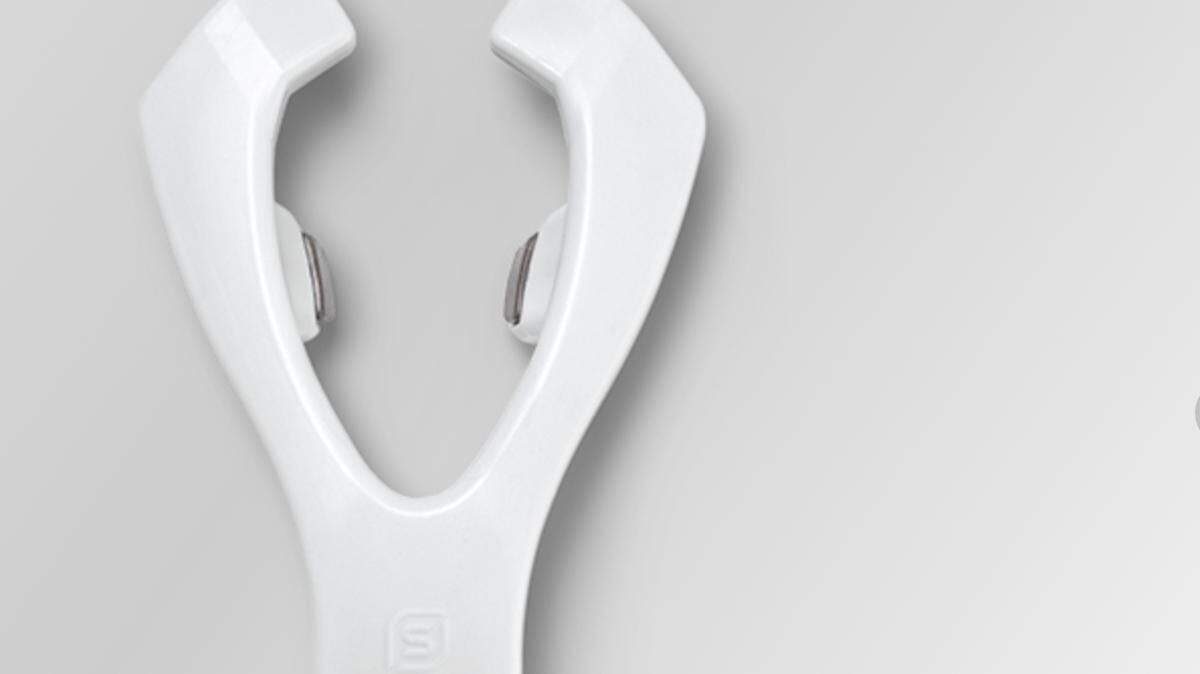
Federal health officials on Friday authorized the first device designed for use while awake that reduces snoring and helps improve a common sleep disorder called sleep apnea, which affects an estimated 22 million Americans.
Studies show the one-size-fits-all silicone device, coined eXciteOSA, effectively reduced the amount of time people with sleep apnea spent snoring loudly, as well as the severity of the disorder itself, by stimulating the tongue with electrical pulses, according to a statement from the U.S. Food and Drug Administration.
Unlike the few existing treatments for the disorder, this is the first one designed for use while awake for about 20 minutes a day. While the FDA’s recent authorization gives the company behind the product permission to market the device, a prescription is still needed to use it.
“Obstructive sleep apnea not only impacts sleep quality, but can have other serious health impacts if untreated. Today’s authorization offers a new option for the thousands of individuals who experience snoring or mild sleep apnea,” said Dr. Malvina Eydelman, director of the Office of Ophthalmic, Anesthesia, Respiratory, ENT and Dental Devices in the FDA’s Center for Devices and Radiological Health, in the statement.
Obstructive sleep apnea occurs when people’s upper airways become blocked while they snooze, which can appear as if they are choking or gasping for air, and often jolts them awake several times a night.
If left untreated, individuals with the disorder can go on to develop serious health conditions such as glaucoma, diabetes, cancer and cognitive and behavioral disorders. The American Sleep Apnea Association says about 80% of moderate and severe cases go undiagnosed.
When we sleep, our throat and tongue muscles relax, sometimes causing our tongues to fall backward and block our airways. This, in turn, causes snoring and sleep apnea down the road.
The device works by delivering electrical currents through a mouthpiece that sits around the tongue, targeting two spots above the tongue and two spots below it. The pulses activate in sessions over 20 minutes with rest periods in between. The treatment should take place every day for six weeks, and then once a week after that, the FDA said.
Users can track their snoring patterns through an app, too.
In a clinical trial of 115 patients who snore, including 48 with mild sleep apnea, the percent of time spent snoring louder than 40 decibels, or about as loud as a bird call, dropped by more than 20% in 87 patients.
In the 48 patients who snore and have mild sleep apnea, the severity of their disorder, measured by the number of breathing pauses and periods of shallow breathing, dipped by 48% in nearly all participants.
The most common side effects felt during or after using the device were excessive salivation, discomfort on the tongue or teeth, a metallic taste, gagging and tight jaw, the FDA said. Dental filling sensitivity was also reported, so officials suggest getting a dental exam before using the device if given a prescription for it.
People who have pacemakers, braces on their teeth, are pregnant or those with ulcerations in the mouth should not use the device, according to the FDA.
Existing treatments for sleep apnea include positive airway pressure machines and mouth guard-like devices that are worn while sleeping.
This story was originally published February 8, 2021 at 2:19 PM with the headline "Tongue-zapping device for people with sleep apnea authorized by FDA. How it works."