COVID breathalyzer for kids may eventually replace nose swabs, study says. Here’s how
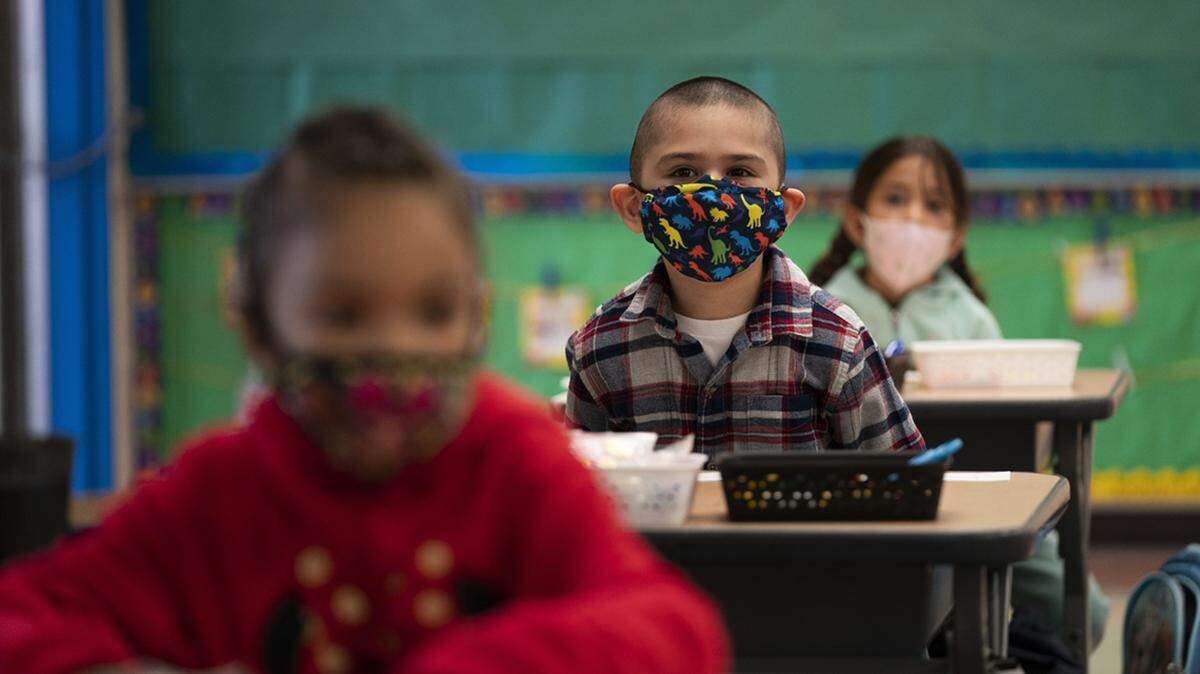
Researchers are working toward creating COVID “breathalyzers” for kids that could be faster, cheaper and more comfortable than other types of testing, a new study shows.
The study, published by the American Chemical Society Infectious Diseases on July 28 from University of Pennsylvania and Children’s Hospital of Philadelphia researchers, found infected children exhale unique biomarkers that weren’t found in breath tests from adults.
COVID breath tests for adults have already been created and put to use at large events like the May Eurovision Song Contest hosted in the Netherlands, The New York Times reported.
Effective breath tests for children could lead to “large-scale screening” of students at schools or other large settings where kids congregate, researchers said. In turn, the testing could help prevent widespread infection.
The need for quicker testing is particularly urgent for children under age 12 who still cannot get vaccinated.
In the study, researchers collected 26 breath samples from kids at the Children’s Hospital of Philadelphia. Fifteen children tested negative, while 11 tested positive.
Then researchers analyzed 84 volatile organic compounds in the samples. As a result, they found six biomarkers that “were significantly elevated in the breath of children with (COVID-19).”
Two of those biomarkers were also found in samples from infected adults, while the rest were “unique” to the children, according to a news release.
Researchers measured the volatile organic compounds in a group of 24 children, with half of them testing positive for the virus.
Volatile organic compounds are emitted from the human body and “reflect the metabolic condition of an individual,” according to a 2011 study in the Journal of Biochemistry. If a person becomes infected with COVID, it’s possible to confirm the infection from the compounds from breath, urine or blood.
Dogs have also been trained to smell COVID from a person’s volatile organic compounds, National Geographic reported in May.
The American Chemical Society study found “the six biomarkers could predict infection with 91% sensitivity and 75% specificity,” a news release stated.
Results from the study are preliminary. But if put into place, they could lead to widespread, inexpensive and quick breath testing among children.
Nasal swabs made up much of initial coronavirus testing. The test requires inserting a long Q-tip-like swab deep into a person’s nostril, which, for many, is uncomfortable.
Other less invasive modes of detecting the virus like saliva tests have been created. But the collected samples still required special labs, time for results and specialized workers.
This story was originally published August 5, 2021 at 11:25 AM with the headline "COVID breathalyzer for kids may eventually replace nose swabs, study says. Here’s how."