Hermit crabs get aroused by chemicals from ocean plastic — but it’s not what you think
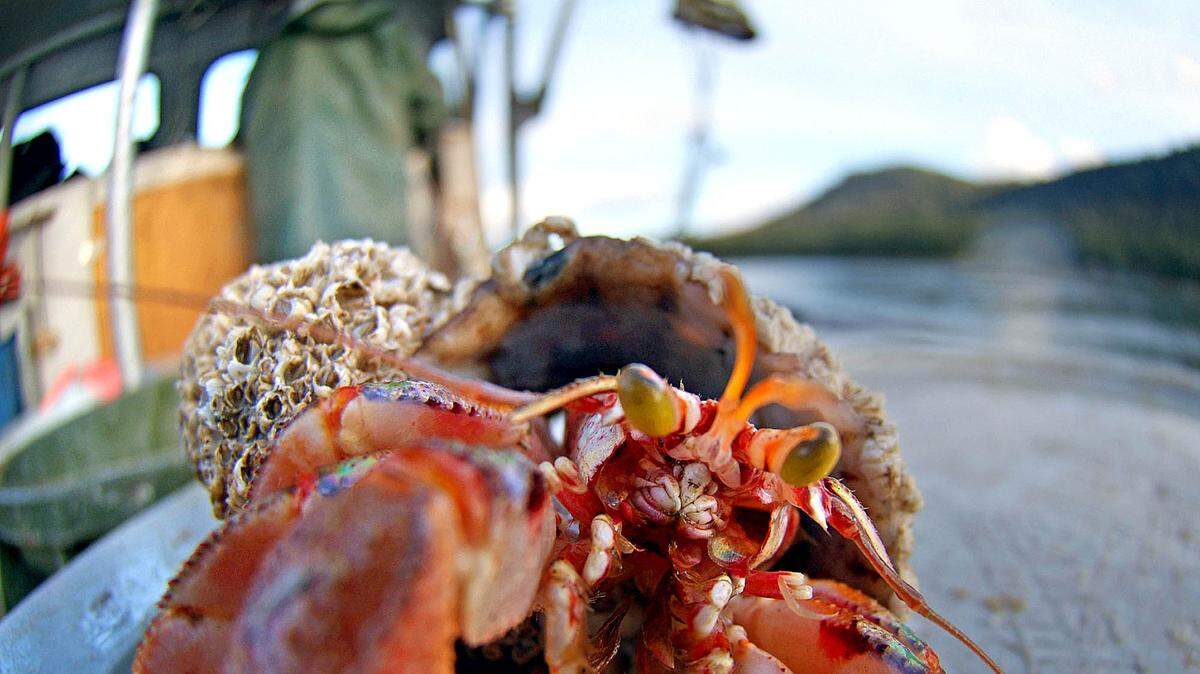
Nearly 9 million tons of plastic wash into oceans each year, in addition to the 165 million tons that are already in them. But as crashing waves and swirling currents batter them into tinier pieces, chemicals slathered on their surfaces leak into the water.
One chemical in particular — oleamide — has been found to “excite” and attract hermit crabs — but not like that.
Instead, the crustaceans mistake them for food, sometimes traveling great distances along the ocean floor only to find remnants of trash, according to a study published Tuesday.
The reason behind the case of mistaken identity is that oleamide has a “striking resemblance” to oleic acid, a different chemical that arthropods, including insects, arachnids and crustaceans, emit when they decompose after death.
“As scavengers, hermit crabs may misidentify oleamide as a food source, creating a trap,” study co-author and University of Hull PhD candidate Paula Schirrmacher said in a statement. “This research demonstrates that additive leaching may play a significant role in the attraction of marine life to plastic.”
When observing hermit crabs, the researchers discovered the critters would start to breathe more quickly in response to low concentrations of the plastic chemical; they noted the “behavioral attraction” mirrored hermit crabs’ responses to food.
The findings suggest hermit crabs may be eating more microplastics than previously thought. Past studies have shown that animals that ingest plastic are more likely to be malnourished and die from digestive problems. Separate research found exposure to plastic impaired hermit crabs’ ability to properly choose a suitable shell to call home, “disrupting an essential survival behavior.”
Plastic pollution can also kill hermit crabs when they become trapped inside bottles or other debris when looking for new shells to live in.
A recent study revealed that more than half a million hermit crabs die each year by getting trapped in plastic on just two islands.
“Hermit crabs play a crucial role in the health of tropical environments by aerating and fertilising soil, and dispersing seeds and removing detritus, as well (as) being a key part of the marine ecosystem,” Jennifer Lavers, lead author of the University of Tasmania study, said in a statement. “Their population degradation is more than just a risk to the natural environment. High concentrations of debris are now being encountered on beaches around the world, many of which are also home to hermit crabs.”
This story was originally published August 10, 2021 at 3:52 PM with the headline "Hermit crabs get aroused by chemicals from ocean plastic — but it’s not what you think."