
Washington Bar Association in turmoil amid lawsuits and workplace investigations
The agency that regulates and trains lawyers in Washington is in turmoil, awash in allegations of mismanagement against a faction of its governing board that have resulted in lawsuits, workplace investigations and the resignation of a key fundraiser.
One governing-board member of the Washington State Bar Association (WSBA) is facing a sexual harassment lawsuit, while broader claims of a hostile work environment created by the controlling board majority has spurred the chief justice of Washington’s Supreme Court, which oversees the agency, to call for a workplace investigation.
Another lawsuit contends that the WSBA Board of Governors’ recent dismissal of Paula Littlewood – the agency’s longtime and widely respected executive director – amounts to a retaliatory act that was carried out illegally in secret.
That suit assigns blame for the bar’s problems to “the gang of eight” – the 15-member governing board’s ruling faction – alleging that the group’s firing of Littlewood was done out of spite and to deflect attention from the disputed sex-harassment claims against board member Dan’L Bridges. Meantime, the board’s president, William Pickett, is at odds with the ruling faction, raising concerns about secret meetings and the perception of predetermined votes, according to the lawsuit.
Littlewood unceremoniously departed from her post March 31, after leading the bar’s day-to-day operations for 12 years. The governing board’s only public explanation for parting ways with Littlewood – a move determined during a closed-door meeting in January – was a stated desire “to go in a different direction.”
The suit over Littlewood’s dismissal, filed last month in King County Superior Court by Seattle trial attorneys Lincoln Beauregard and Steve Fogg, alleges that the board broke the state’s Open Public Meetings Act with her firing, and separately breached its fiduciary responsibilities in its handling of the staff’s workplace claims.
The seemingly unusual pairing of Beauregard, who represented the first man to publicly accuse former Seattle Mayor Ed Murray of sexual abuse, and Fogg, who defended Murray in a resulting lawsuit, is motivated by a shared concern for the future of the legal profession in Washington state, they said.
As part of the litigation, Fogg and Beauregard are seeking an injunction that would reinstate Littlewood until the suit is resolved.
Shannon Wodnik, the attorney for the bar’s governing board, did not respond to messages seeking comment. In court filings, she contends that the bar isn’t a public agency, so its governing board isn’t subject to the state’s open meetings law. She also contends that only the state’s Supreme Court – not a superior court – has authority over the bar and its governing board.Sara Niegowski, the bar’s spokeswoman, said in an email Monday:
“There are several legal issues concerning WSBA happening right now, and members of our Board of Governors and lawyer members see those issues differently; therefore, many questions about ‘facts’ will ultimately be decided by courts.”
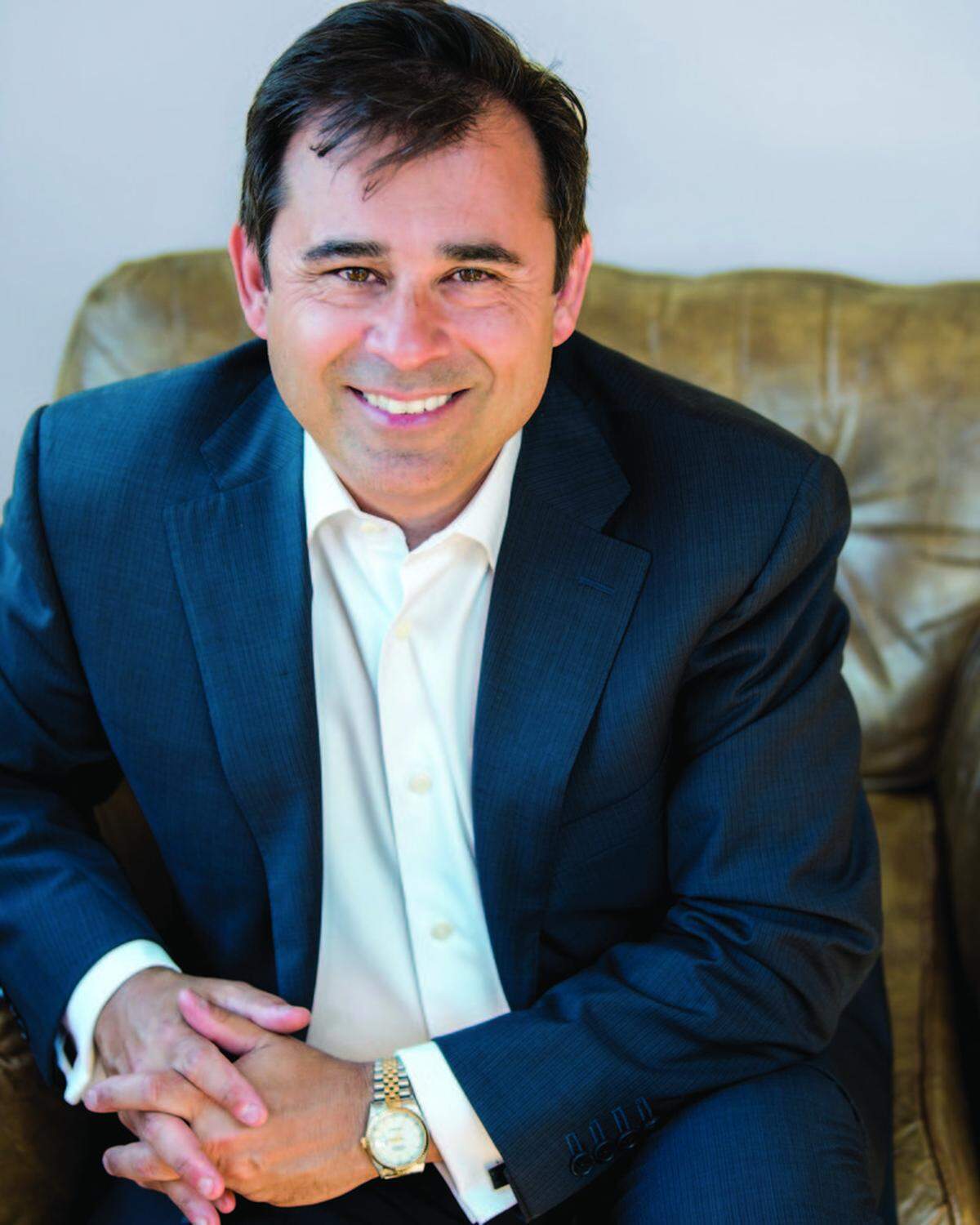
“Why did the board dismiss a woman of her caliber,” Masters asked about Littlewood in his resignation letter. “Amazingly, we don’t know. Such opacity regarding this momentous decision for our Bar is intolerable … and leaves the WSBA adrift, and dangerously close to running aground.”
Earlier this year, Kara Ralph, an events coordinator for the bar, filed a $150,000 tort claim alleging Bridges made unwanted sexual advances toward her while the two were attending a WSBA retreat in Walla Walla in July 2016.
Bridges has disputed Ralph’s allegations, and in turn, filed his own tort claim against the bar, contending the claims were part of ongoing retaliation against him for whistle-blowing about “conflicts of interest, self-dealing and irregularities” within the agency.
A workplace investigation by an outside firm later found Ralph’s claims to be credible. The agency still plans to hire an investigator to review Bridge’s claims, Niegowski said Monday.
The governing board’s handling of Ralph’s harassment claims led dozens of staff members to raise concerns in an open letter and during the board’s meeting in January about the board’s alleged conflicts of interest and refusal to hold its own members accountable. Eighteen past bar presidents also sent a letter in February to the Supreme Court, asking justices to “exercise its powers of oversight in what has become a situation fraught with the risk of serious harm to individuals, the WSBA, and, by extension, to the public.”
Last week, Fogg and Beauregard filed copies of internal emails exchanged in February they contend show Bridges secretly tried to negotiate with two other supportive board members favorable settlement terms to his own tort claim against the bar, as turmoil mounted over Littlewood’s ouster and Ralph’s harassment claims against him.
“It does appear from these emails as though an alleged sexual harasser is self-negotiating a payout to himself using WSBA dues, which were paid, in part, by me,” Beauregard stated in a declaration. “This self-dealing is occurring behind closed doors and … appears as though select board members are simultaneously and secretly pre-determining important staff management decisions, including the wrongful termination of Ms. Littlewood.”
Bridges denied that Friday. He said the bar association’s legal counsel was copied on all settlement discussions and contends Beauregard intentionally removed the lawyer’s email address from the thread when reproducing the emails in the lawsuit’s filings to suggest backroom deal making.
“This was not a backdoor conversation. WSBA’s attorney was included,” Bridges said. “Also, I have disavowed any money payment and made it clear there will be none accepted. That was communicated to WSBA before the emails in question.”
Bridges said he could not provide a copy of the original email to The Seattle Times because of attorney-client privilege.
Fogg said the emails were reproduced in court filings “exactly as we received them,” and noted Wadnik, the defendant’s attorney, has not questioned their authenticity.
This story was originally published April 9, 2019 at 7:21 PM with the headline "Washington Bar Association in turmoil amid lawsuits and workplace investigations."