What impact the 2021 legislature had, and what’s on the docket for 2022
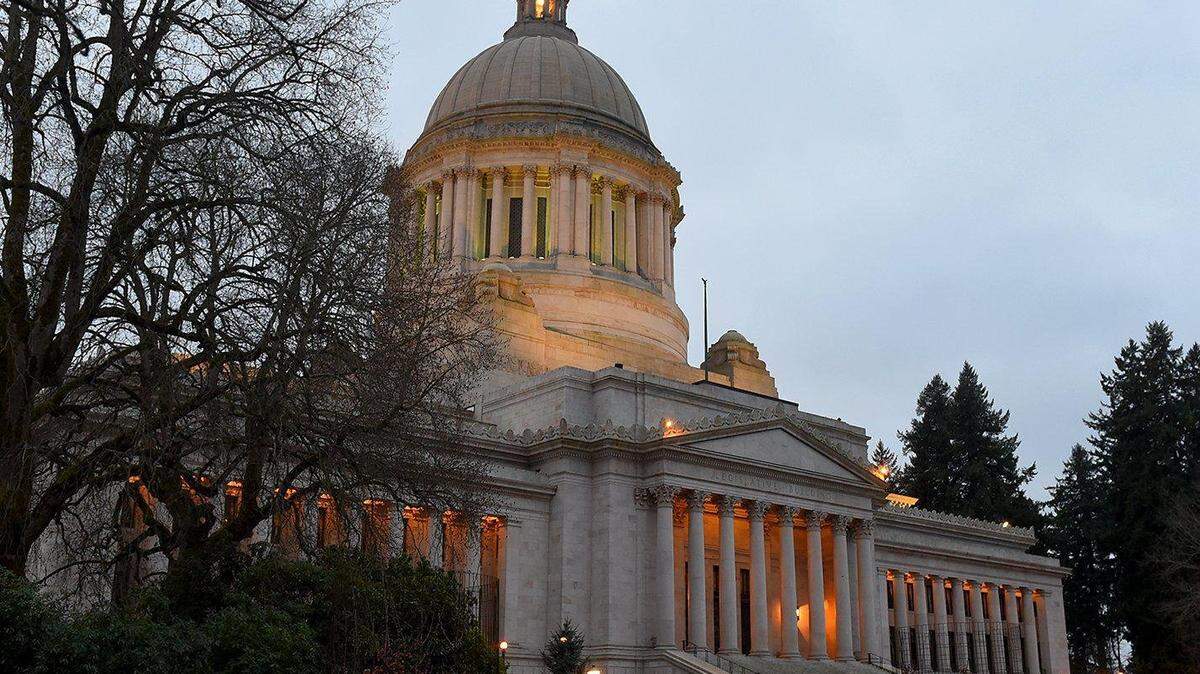
Washington legislators had a lot to debate in 2021.
From new taxes on wealth to police accountability measures, 335 bills passed the Legislature during the long 105-day session that launched 2021.
Some laws, particularly those aimed at pandemic relief, went into effect immediately. Others went into effect later in the year, or will not go into effect until 2022.
Here’s are some highlights of what happened during the 2021 legislative session and what Washingtonians can expect to see in the 2022 session.
Capital gains tax
Undoubtedly one of the most talked about bills of 2021, a capital gains tax passed the Legislature after a decade of failed attempts by Democrats to pass the bill.
The tax will add a 7% tax on profits from selling long-term assets if those profits exceed $250,000. Long-term assets include stocks and bonds. Payments will not be due until 2023, even though the law took effect on Jan. 1.
Since the passage of Senate Bill 5096, legal challenges to the bill have been presented to Douglas County Superior Court. Opponents of the bill have maintained that a capital gains tax is nothing more than an income tax, which is unconstitutional in Washington. Those who support the measure disagree, arguing that it is an excise tax.
Additionally, capital gains tax supporters claim the new tax it will help fix the state’s regressive tax structure, which places more tax burden on those with lower incomes. Washington has the most regressive tax structure in the country.
The Washington State Supreme Court is expected to hear the capital gains tax challenge sometime this year.
Voting eligibility
A bill to restore voting eligibility to people with felony convictions was introduced in 2021 by Rep. Tarra Simmons, D-Bremerton, and later passed.
House Bill 1078 removes barriers to voting for those who are no longer in total confinement, meaning those on probation or parole can have their rights restored once they are released. According to the National Conference of State Legislatures, two other states also passed similar legislation in 2021; Washington is one of 16 states that now restores the right to vote for people with felonies upon their release from the Department of Corrections.
This bill went into effect on Jan. 1.
Climate action
Several bills to mitigate climate change were introduced in the legislature in 2021.
A clean fuel standard sponsored by Rep. Joe Fitzgibbon, D-Seattle, was passed, to lower the carbon intensity of transportation fuels to 20 percent below 2017 levels by 2038. Carbon must be reduced every year, starting with a 0.5 percent reduction in the first few years, and eventually leading up to a 1.5 percent reduction starting in 2028.
According to the Department of Ecology, nearly 45 percent of Washington’s greenhouse gas emissions come from transportation. The bill went into effect in July.
A governor-requested bill sponsored by Sen. Reuven Carlyle, D-Seattle, also made its way through the 2021 legislature, and went into effect in July. The multi-faceted Washington Climate Commitment Act is intended to cap and reduce greenhouse gas emissions from the largest emitters in the state. Proponents say this legislation will put Washington on track to achieve gas emission limits that were previously set by the legislature. The bill will go into effect on Jan. 1, 2023.
Police accountability
Washington state legislators passed a multitude of measures intended to make police accountability more transparent.
House Bill 1310 set a standard for police use of force in the state. The new law states that an officer’s use of force is only authorized under certain circumstances, such as preventing escapes or to protect against injuries to the officer or to others. Deadly force is only permitted to protect against an imminent serious threat to officers or others. The law went into effect in July.
Legislators also passed House Bill 1024, which restricts tactics used by law enforcement agencies. For example, the law specifically prohibits any type of neck restraints or chokeholds. Additionally, law enforcement agencies can no longer obtain military equipment such as firearms, tanks, or armed helicopters. This law also went into effect in July.
What’s coming in January?
Legislators have already released a long list of bills for the upcoming 60-day session, and the list continues to grow daily. So far it’s unclear what bills will make it to the floor.
Several bills aimed at tackling the high cost of prescription drugs have been introduced again, as well as more legislation aimed at tackling climate change. Rep. Jim Walsh, R-Aberdeen, prefiled two bills offered as “surgical corrections” to the police reform bills passed last session, including House Bill 1588, which would restore the ability of peace officers to engage in vehicular pursuits in reasonable situations. Restrictions on vehicular pursuits were established by House Bill 1054.
Gov. Jay Inslee has already laid out his agenda for the upcoming session. His top priorities this year include combating the homelessness crisis in Washington state, tackling poverty, education, salmon recovery, transportation and climate change.
The 2022 legislative session will convene on Jan. 10.