Bill to limit low-level traffic stops will soon head for WA House floor vote
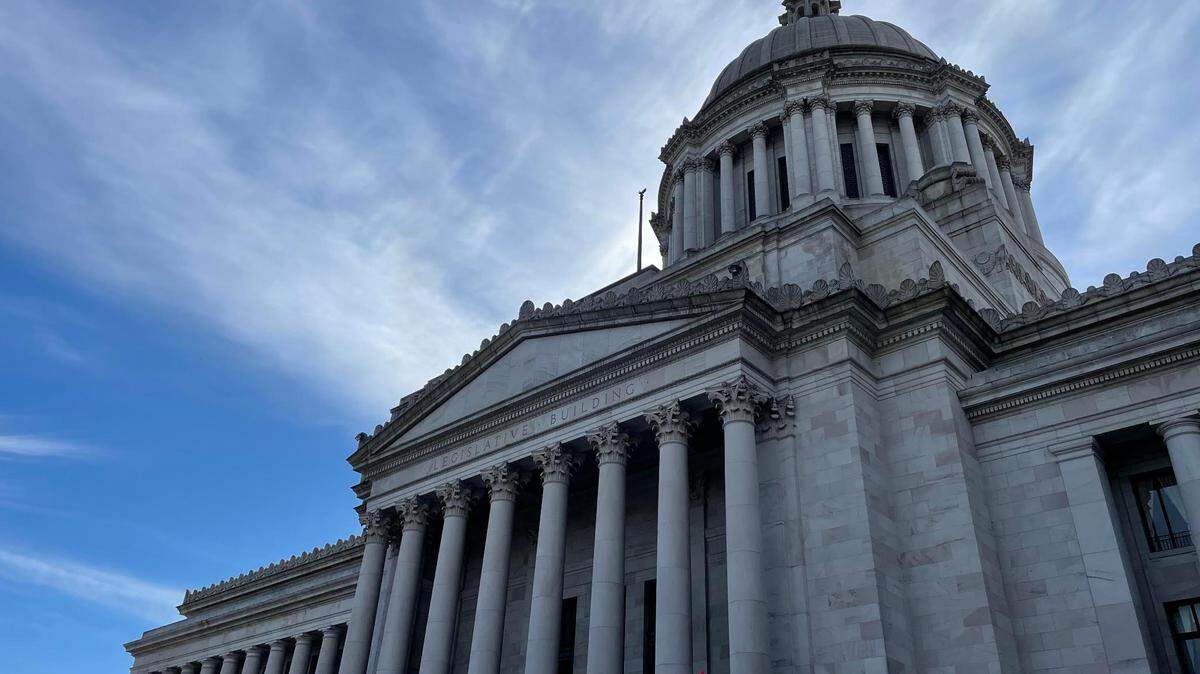
A bill that would limit the violations that law enforcement officers could use to pull drivers over passed out of executive session during the House Transportation Committee on Thursday.
Rep. Debra Entenman, D-Kent, told the committee what she felt were the most important takeaways from public testimony on the bill before she urged a yes vote from other members.
“This bill does not decriminalize any act — the acts would still be crimes,” she said. “What we hope to do with this bill is to have fewer interactions so that law enforcement can get home safely to their families and so that those on the road also have that opportunity.”
Substitute House Bill 1513 is sponsored by freshman lawmaker Rep. Chipalo Street, D-Seattle.
“This is a bill that improves traffic safety, and also increases trust with our communities of color,” Street said Tuesday at a public hearing in the House Transportation Committee.
Under the proposed legislation, he said, officers could focus their energy and resources on DUIs and other more pressing moving violations instead of low-level offenses.
Officers could still enforce non-moving violations as a secondary offense, however, if the vehicle is pulled over for a qualifying primary offense, such as a moving violation.
Moving violations in Washington include offenses like driving under the influence of alcohol or drugs, reckless driving, and vehicular assault.
The bill also would require written consent from the driver and passenger before officers could search a vehicle, unless there is visible evidence of crimes. Before an officer can approach a stopped vehicle, they must prepare a detailed report about the stop.
Additionally, a grant program would be created under the legislation to provide non-punitive interventions such as repair vouchers for non-moving violations for low-income individuals.
Rep. Dan Griffey, R-Allyn, urged a no vote from committee members, and rejected claims that the legislation would improve traffic safety. Additionally, he noted, non-moving violations are not criminal offenses.
Griffey recounted previous testimony from the Washington State Patrol that he said guided his vote. WSP testified that a small percentage of people pulled over for non-moving violations are under the influence of drugs or alcohol.
“We have got to do something very drastic to stop the number of Washingtonians that are killed in DUI car crashes,” Griffey added.
Rep. Mike Volz, R-Spokane, sponsored an amendment that would make the bill null and void if not funded through the transportation budget, but the amendment was not added to the final bill passage.
Enternman encouraged a no vote on the amendment because she said it would put too many limits on when and how to fund the legislation.
The proposed legislation will now head for the House floor where it will need to be debated and passed before the March 8 house of origin cutoff date.
If passed through both chambers and signed by Gov. Jay Inslee, the bill would go into effect 90 days after the Legislature adjourns on April 23.