
WA drivers could see 6-cent rise in gas tax as lawmakers mull transportation budget
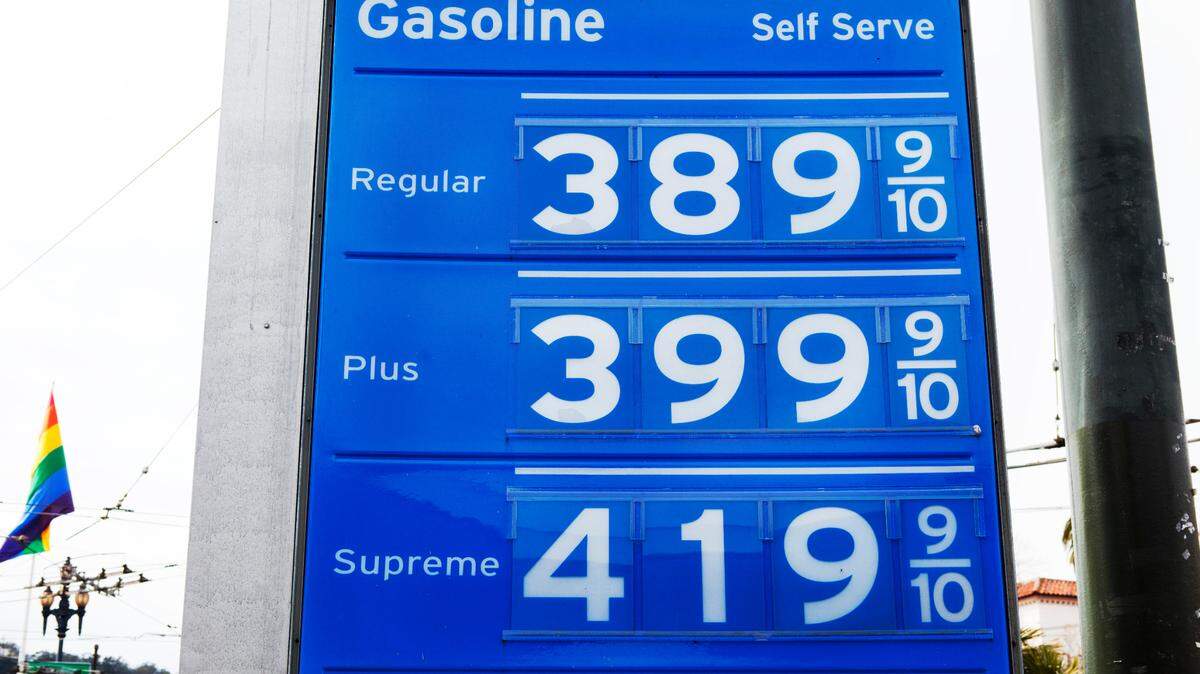
Washington’s gas tax is on track for a 6-cent-per-gallon price increase this summer, the first price hike in nearly a decade.
The possible gas-tax boost comes as lawmakers are working on a revenue package to help close the transportation budget’s multi-billion-dollar budget deficit over six years. The tax proposal embedded in Senate Bill 5801, which received a public hearing Tuesday, is key to the latest deal.
State lawmakers are also racing to balance the operating budget, one that has a wide gulf between planned revenues and expenditures, before the 2025 session is scheduled to end Sunday, April 27.
The proposed gas-tax increase would have a July 1 start date, when the state motor vehicle fuel tax would climb from 49.4 cents per gallon to 55.4 cents per gallon. And beginning the following year, that rate would raise by 2% annually for inflation.
Lawmakers have been working together to figure out how to cover ballooning transportation project expenses at the same time that more fuel-efficient cars are hitting the streets, reducing the amount of gas Washington drivers are consuming as well as the accompanying gas tax revenues. Some projects might need to be paused, transportation leadership has previously warned.
The House had suggested boosting the gas tax 9 cents then tying it to inflation, as reported by the Washington State Standard. Washington already has one of the highest gas taxes in the U.S.
Democratic legislators also previously considered introducing a road usage charge, which would have help offset declining gas tax revenue by collecting taxes on the mileage logged by the increasingly popular electric vehicles.
The latest transportation plan also would authorize tolling along State Route 520 instead of only the floating bridge, including on off- and on-ramps. Zero-emission buses would enjoy a sale-tax exemption, too.
Multiple groups spoke in favor of the gas tax legislation during Tuesday’s public hearing.
Chief lobbyist Jerry VanderWood said the Associated General Contractors of Washington back relying on the gas tax as a main revenue source. AGC knows that such revenue will diminish over time but said it’s an efficient fund-raising method in the short term.
Axel Swanson with the Washington State Association of County Engineers underscored the importance of maintaining the state’s portion of the transportation system, as well as the local portion, during his testimony in favor of the legislation.
“This bill reflects a more balanced approach and structure for the future funding of the preservation and maintenance needs of our state’s roadways,” Swanson said.
Bryce Yadon, speaking on behalf of the Transportation Choices Coalition, said the bill features a number of solid sources to fund transportation, highlighting its “luxury tax” on vehicles more than $100,000 and the indexed-to-inflation fuel tax.
He also thanked lawmakers for ditching an e-bike tax but registered concern about public transit paying tolls.
Concerned citizen Wes Mills said he opposed two concepts in the bill: placing tolls and fees on transit agencies and “a nit-picky credit card surcharge to ride the Washington State Ferry.” Mills said many folks don’t drive, instead riding bikes and taking buses and ferries.
“These fees hurt our lives, already often made inconvenient by the state’s insistence that cars are the answer,” he said. “We should not tax things that we want to encourage.”
Another Washington resident, Laurie Layne, decried the gas-tax increase.
“Wow. I mean more taxes, including a 6-cent increase in fuel taxes and a garden variety of other transportation taxes?” she said. “I have an idea. Let’s say no to this tax addiction.”
Dakota Manley with the Washington State Young Republicans argued that the cost of living continues to rise, putting stress on young folks and their families statewide. Many residents have turned to gig-economy delivery jobs such as Uber Eats and DoorDash to make ends meet, he said.
“This isn’t just about numbers,” Manley said. “It’s about people trying to survive. The public is tired. They’re stretched thin. Now is not the time to place even more financial strain on them.”
SB 5801 is scheduled for a Wednesday morning vote in the House Transportation Committee.
This story was originally published April 23, 2025 at 5:00 AM.
.jpg)