
Did Boise police accountability official invade privacy by looking at body camera footage?
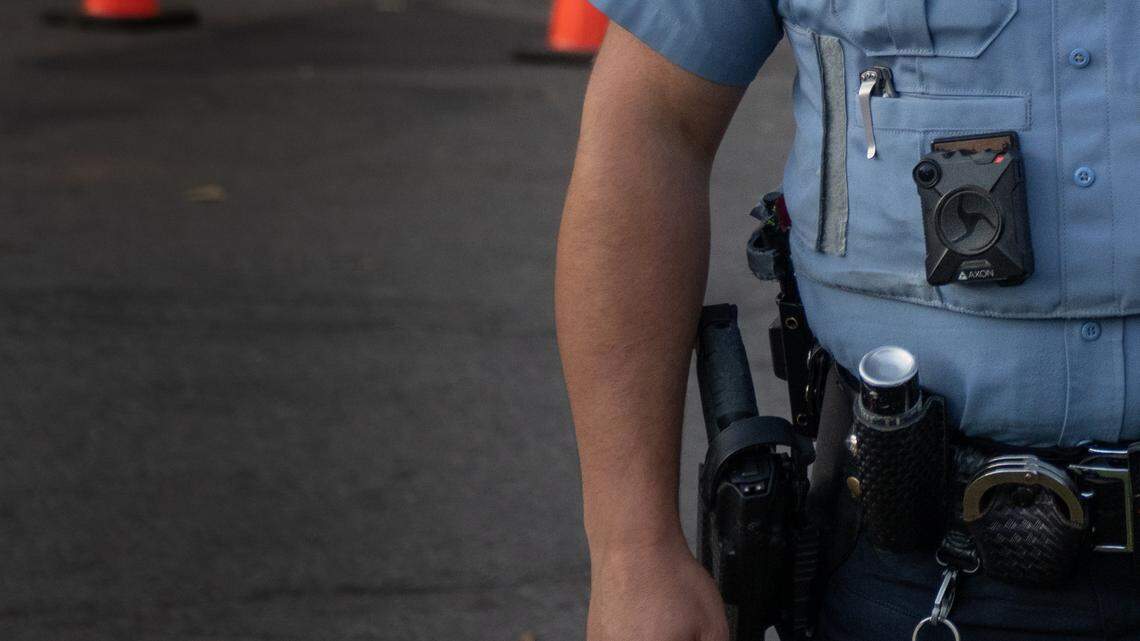
Boise’s police accountability director is tasked with the challenging job of overseeing officers’ interactions with the public, reviewing potential cases of misconduct or excessive force.
But does that give the official the right to watch body cameras?
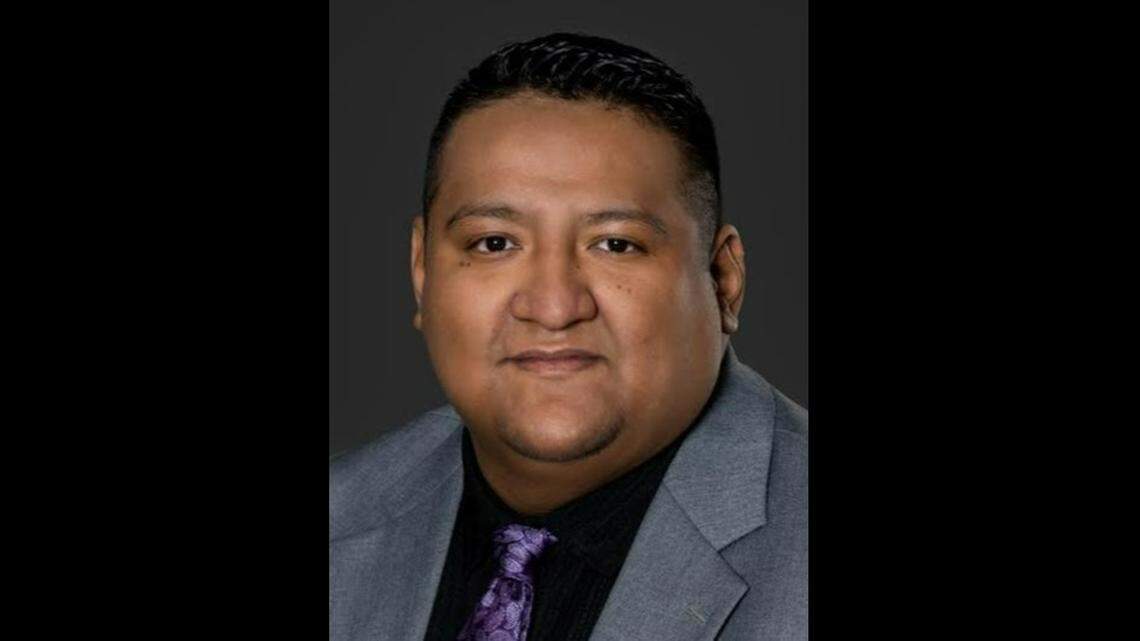
Boise Mayor Lauren McLean in December fired Jesus Jara, the head of the Office of Police Accountability, over allegations he overstepped his authority “by randomly viewing over 8,000 videos, almost exclusively without cause,” she said in a news release. Jara, in a lawsuit filed against the city, accused McLean of libel and maintained that he simply did his job.
Though other cities’ police accountability offices explicitly outline body camera reviews in their duties, Boise’s policy manual and city laws remain vague.
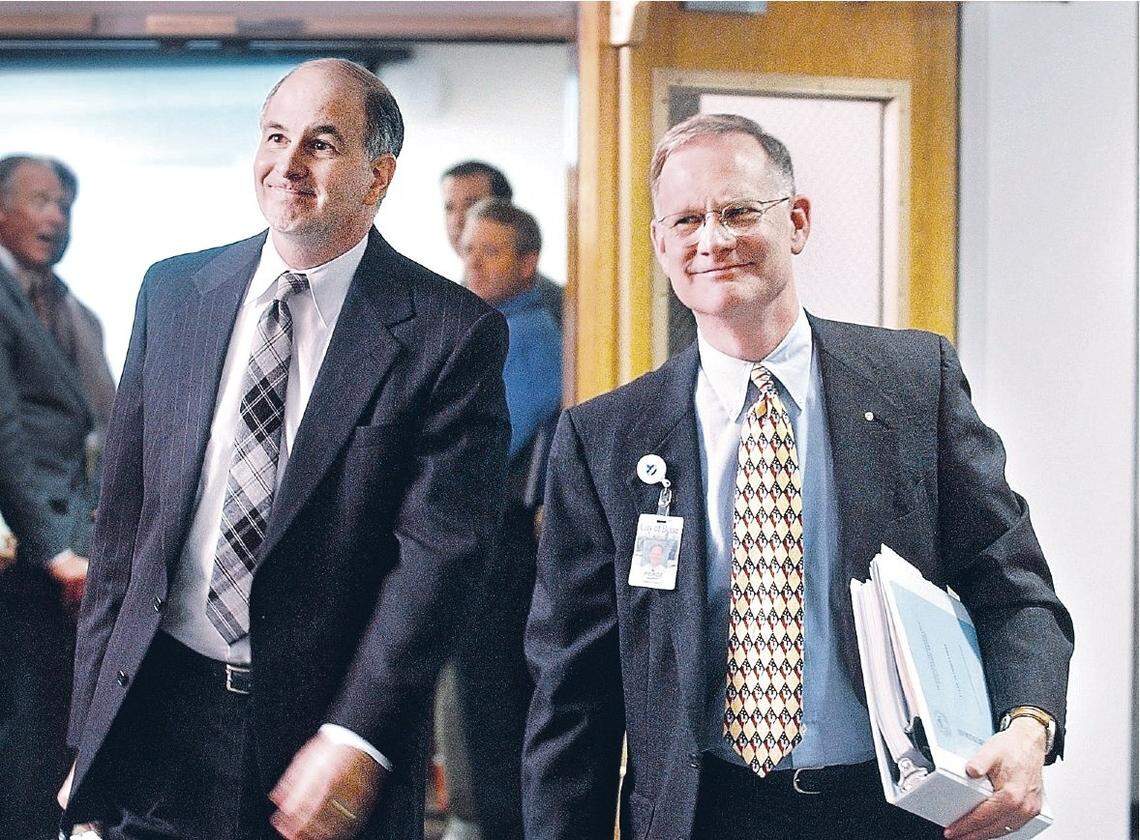
Pierce Murphy, the longest-serving police oversight director for the Boise Police Department, said there’s nothing wrong with random audits of body cameras — so long as it’s clear within the policy and city officials’ vision for the office.
Murphy oversaw the first iteration of Boise’s police accountability office from 1999 to 2013, and went on to head Seattle’s police accountability office until 2017. He told the Idaho Statesman by phone that it’s up to city leaders to decide how they want their police accountability offices to work.
But the “thoughtful” and “systematic” review of officers’ body camera footage is “absolutely” a good practice, he said.
“It would be totally reasonable, and in fact, it would be best practice to do random auditing too, not to find individual misconduct, but to ensure that the procedures and the policies and so forth are being followed,” Murphy said by phone.
Murphy said he couldn’t watch body camera videos while overseeing the Seattle Police Department. But Seattle had other monitoring systems outside of the oversight director to audit body camera footage.
Murphy acknowledged that auditing has to be done correctly, and policies and procedures surrounding the practice need to be straightforward; if not, there can be pitfalls.
“It has to follow well-written procedures in order to avoid ... trying to find fault or trying to catch officers on a bad day,” Murphy said.
Boise mayor outlines privacy concern
The decision to fire Jara — which all council members except Luci Willits supported — is the latest overhaul in the Boise Police Department and City Hall. In September, McLean requested then-Boise Police Chief Ryan Lee to resign after complaints from officers were publicized.
In a news release last month, McLean said privacy concerns were top of mind in the decision to fire Jara.
“Our residents are often at their most vulnerable when they call the police to intervene, when other measures have fallen short,” McLean said. “If the public believed that there was a chance that they’d be watched — at random — if they called the police, would they be less likely to call when they need help?”
Murphy acknowledged respecting privacy was an important consideration in reviewing body cameras. He said that privacy is a “huge issue,” as body cameras can capture people in the worst moments of their lives and record significant personal information. But, he added, officials can address those concerns by creating “good safeguards” on the footage.
The American Civil Liberties Union has created model legislation for best practices regarding body cameras and law enforcement. Part of the draft legislation states that body camera footage shouldn’t be randomly audited.
“Our view is that the vast majority of body camera footage should go into a black box and should never be touched,” unless it’s flagged as evidence of wrongdoing or used for training purposes, ACLU Senior Policy Analyst Jay Stanley told the Statesman by phone.
He also said that body cameras can already cause people to feel intimated, and adding another level of surveillance by high-ranking officers is unneeded. Body cameras, specifically the live streaming of them, can cause a “chilling effect,” he added.
“If you’re in the presence of a uniformed police officer, you’re already going to be pretty chilled because that police officer can make claims about your actions that will probably be believed by prosecutors, juries, and so forth — especially if you are a young Black man,” Stanley said.
Stanley said that while the ACLU has its model for body cameras, the most important part is that officials have “clear” and “well-established” policies — whatever those policies might be.
“Departments need to think through very carefully about their policies for access to body camera video,” Stanley said, “because they can become a red hot football that has the potential to make or break careers and lives.”
Boise ordinance vague on body cameras
McLean alleged Jara was “acting outside the bounds of the ordinance” by randomly reviewing body cameras.
Boise’s city code states that the oversight office is “to be given full, unrestricted, and complete access to all information, files, evidence or other material,” and the police chief is expected to work with the director to set the day-to-day structure.
The city code outlines specific duties of the oversight director, including: investigating citizen complaints filed with the accountability office; reviewing citizen complaints filed with the police department; investigating critical incidents; and making policy recommendations.
The office is expected to review “police actions to evaluate compliance with BPD policies and relevant state and federal law,” according to the code. It doesn’t specify the use of random auditing, but states that the director is expected to “regularly” audit internal affairs investigations and all investigations into the command staff.
Jara in his lawsuit has accused the city of retaliation. He said he received “conflicting guidance” on handling complaints sent to his office and said he was wrongfully terminated.
“Mr. Jara has at all times acted in accordance with the duties and authority bestowed upon him by city ordinance and regulation, and stands by every difficult decision he was responsible for making as director of the Office of Police Accountability,” Grady Hepworth, Jara’s attorney, said in a statement.
Independence of Boise’s OPA questioned
In Spokane, Washington, a similarly sized city compared with Boise, the Office of Police Ombudsman’s roles are laid out in the city’s code and the police department’s policy manual.
The ombudsman is only allowed to review body camera footage related to a specific complaint, according to the department’s policy manual, and they are not allowed to “randomly search for other possible violations.”
The city code also states that the human resources department is expected to investigate any complaints against the police chief. At least one of the nine Boise officers who complained about Lee initially sent the complaints to human resources but was referred to internal affairs, according to emails obtained by the Statesman through a source. The police chief oversees the office.
Murphy said that the police oversight office’s newest rendition doesn’t appear to have the same “degree of independence” that his version of office had. Murphy said he was tasked with investigating a former Boise police chief, while he was the ombudsman.
“I counted on that independence and the ability to do my job, knowing that my job was safe as long as I stayed within my authority,” Murphy said.
This story was originally published January 22, 2023 at 3:00 AM with the headline "Did Boise police accountability official invade privacy by looking at body camera footage?."
CORRECTION: This story has been updated to reflect the correct spelling of Boise City Council Member Luci Willits’ name.
