
It’s safe to put out bird feeders after salmonella outbreak, Washington officials say
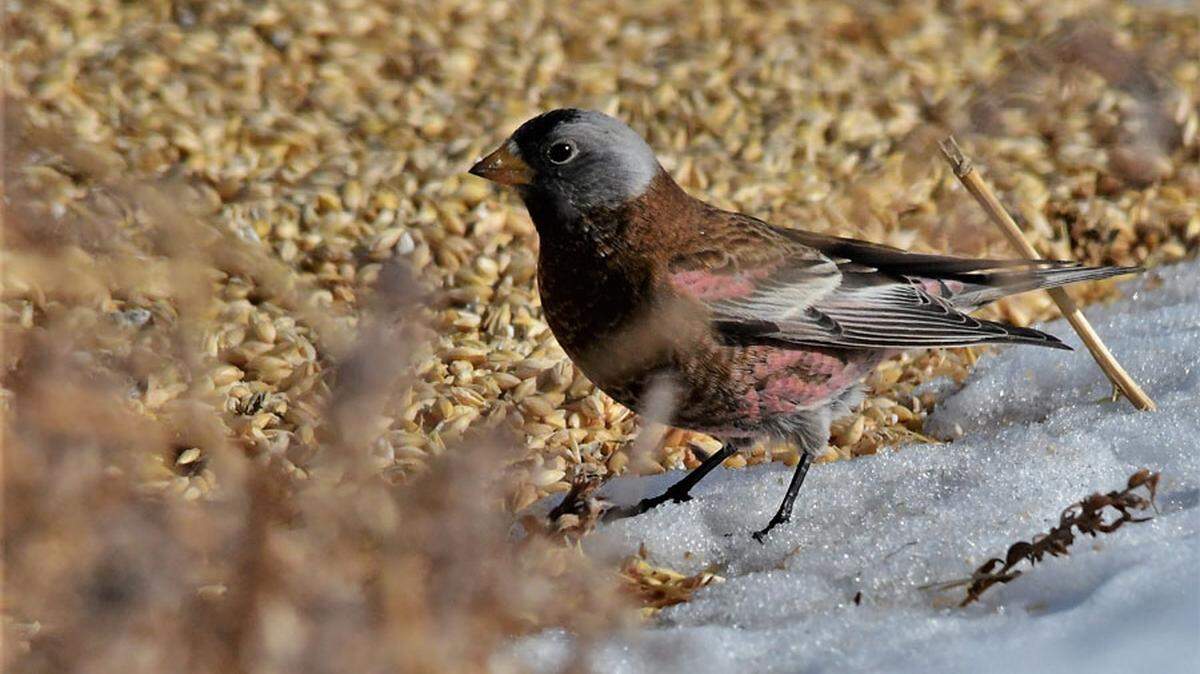
Bird feeders can return to Washington yards after a salmonella outbreak sickened and killed songbirds across the Northwest, officials say.
Wildlife officials started warning the public to take down bird feeders and baths in January after receiving reports about sick or dead songbirds at backyard feeders in King, Kitsap, Skagit, Snohomish and Thurston counties, McClatchy News previously reported.
Now the number of reports has dropped enough that it’s safe to bring out feeders and baths again, but people should still take some precautions, Staci Lehman, a spokesperson for the Department of Fish and Wildlife, told McClatchy News in an email.
Finches and other songbirds likely died of salmonellosis, “caused by the salmonella bacteria,” a Jan. 8 news release from the department said.
“When birds flock together in large numbers at feeders, they can transmit the disease through droppings and saliva,” Dr. Kristin Mansfield, a veterinarian with the department, said in a statement in the release.
The disease was likely spread more because of “an anomaly where finches and other species that generally winter in the boreal forest in Canada and the far north move south and are spotted in areas in larger numbers than non-irruption years.”
Birds with the disease “become very lethargic, fluff out their feathers, and are easy to approach,” Mansfield said. “This kind of behavior is generally uncommon to birds.”
There is little people can do to treat the diseased birds.
While reports of sick or dead birds “have decreased substantially … they are still coming in,” Lehman said. Officials recommend “people take their time in returning to their full scale of feeding.”
Feeders should provide just enough feed for one to two days, the department said in a blog posted on Medium.
Those who live in bear country should consider leaving feeders down “as they can attract hungry bears coming out of hibernation this spring,” the post said.
“The disease is still circulating, and we could see the numbers jump back up if we ease precautions too quickly,” Mansfield said in the blog post. “If you usually feed birds at multiple feeders, consider putting up only one or two — widely spaced on your property — to start.”
The department asks anyone who finds sick or dying birds to report them using WDFW’s online reporting tool.
People should also be careful when filling or cleaning feeders, as salmonella bacteria can transfer from birds to humans, although it’s uncommon, according to the department. Those handling birds, feeders or bird baths should wear gloves and thoroughly wash their hands afterward.
This story was originally published April 1, 2021 at 5:42 PM.