
57% of Hanford nuclear site workers surveyed by WA state report toxic exposures
More than half of Hanford site workers responding to a Washington state survey said they had been involved in an incident at the Hanford nuclear reservation that resulted in exposure to radioactive or toxic chemicals.
Some 57% of about 1,600 past and present workers who took the survey reported being in an exposure incident, which could include the release of radioactive material into the air.
And nearly a third, 32%, reported they had long-term exposure to hazardous materials at the nuclear reservation, rather than exposure during a single incident.
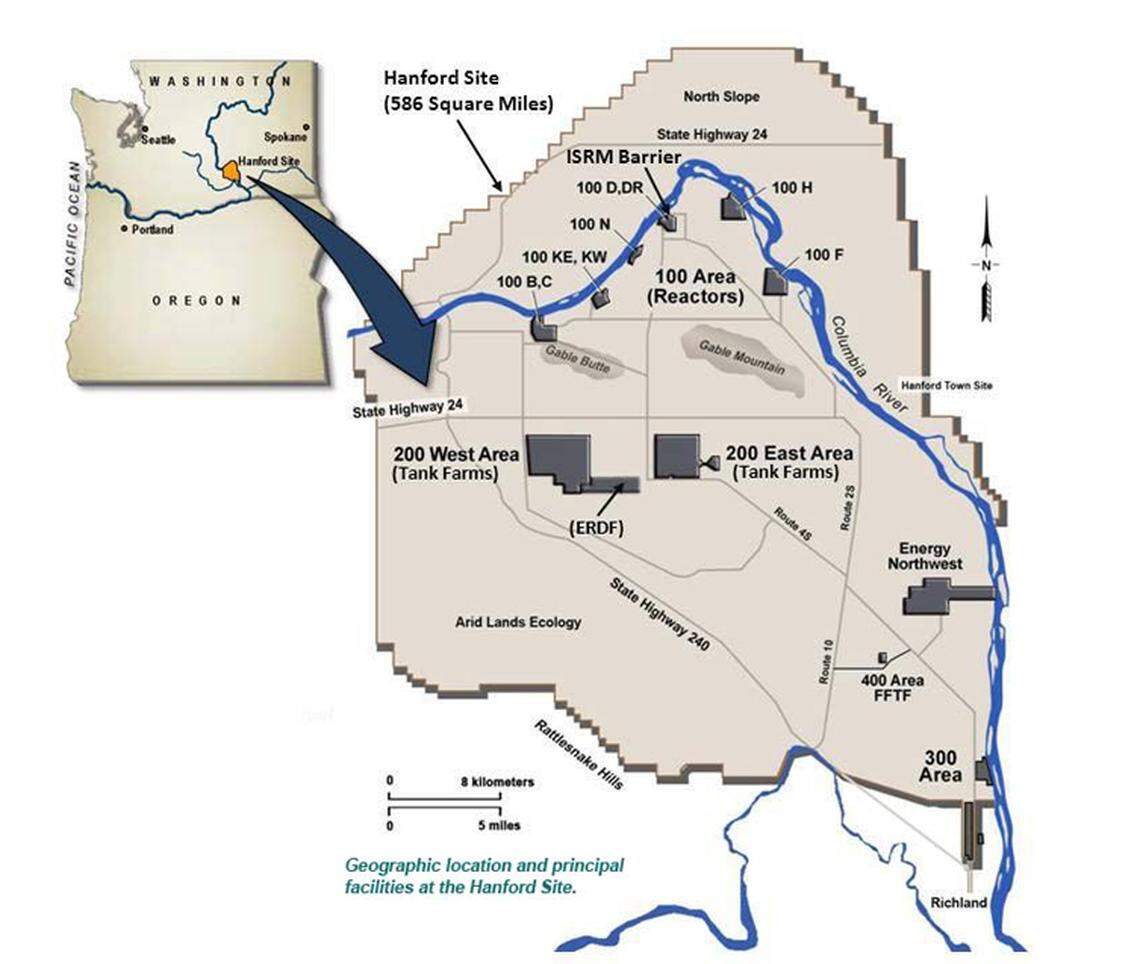
About 11,000 people currently work at the Hanford site near Richland and in the Tri-Cities.
Results of the survey, conducted by the Hanford Healthy Energy Workers Board, were released this week. The board was created by the Legislature and directed to survey workers and then provide recommendations to better meet the health care needs of Hanford workers.
“The working families that make up the Hanford community represent a very unique population, with occupational risks not easily quantified or identified,” said Nickolas Bumpaous, the board co-chairman and president of the Central Washington Building Trades Council with workers at Hanford.
Workers are cleaning up and treating radioactive and hazardous chemical waste left from the past production at Hanford of two-thirds of the nation’s plutonium for its nuclear weapons program.
After hundreds, if not thousands of studies, have been done on occupational risks at Hanford, it is clear that a clearinghouse is needed to collect and share information and promote collaboration and research, Bumpaous said.
“Currently, an easily accessible clearinghouse for exposure data and best health practices for Hanford workers does not exist,” the board said in its report on survey results and recommendations.
“The lack of centralized information leaves room for uncertainty regarding the nature of exposure events and how they are associated with medical problems found in Hanford workers,” the report said. “This potentially slows down the process for treatment and ultimately delays patient care.”
Creating a Hanford Healthy Energy Workers Center would not only provide guidance to workers, but provide a resource to medical professionals treating Hanford workers.
The center would collect medical and scientific literature, evaluate new studies and track best health care practices.
For incurable diseases, such as chronic beryllium disease caused by breathing in fine particles of the metal beryllium, information sharing could be key to finding cures, the board said.
Sick Hanford worker issues
It also recommended expanding Tri-Cities access to care that is tailored to Hanford workers’ health needs.
Some workers reported they did not receive a diagnosis until they visited clinics outside the Tri-Cities area and sometimes outside the state.
After an initial assessment or diagnosis related to Hanford exposures there was not long-term coordination of care, said workers in survey comments.
Part of the difficulty was that some health problems, such as cancers, are not diagnosed until years after exposures, the report said.
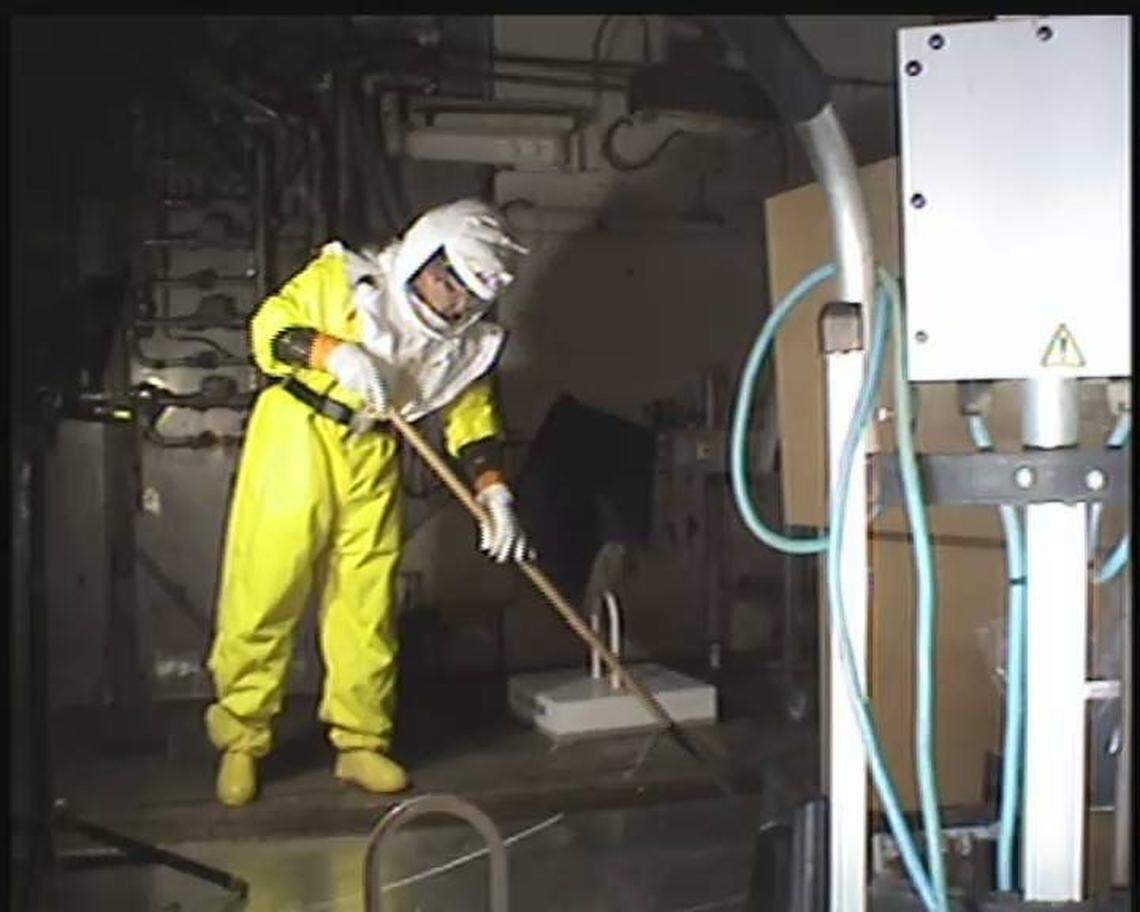
About 22% of those surveyed said they had illnesses due to a short-term exposure to hazardous materials at Hanford, with 38% saying they did not know.
In addition, 28% said they had illnesses from long-term exposure to hazardous materials at Hanford, with 40% saying they were not sure.
About 46% of respondents said that they were comfortable with the level of protection to prevent exposure to hazards unique to Hanford and 29% disagreed. The remaining 25% said they were unsure.
The Hanford Healthy Energy Workers Board report cautioned that the survey was not done with a random sample that could provide more accurate results, but by asking for volunteers, after the Department of Energy declined to participate.
Contacting current and former workers was difficult given the many different contractors, plus DOE, that employed them through the years.
About half of respondents were 65 or older, more than 80% were white and about 70% were men.
The board not only surveyed past and current workers, but also interviewed health professionals before making recommendations.
Board members included union officials, radiation specialists for the Washington state Department of Health and University of Washington health and medical specialists.
This story was originally published July 7, 2021 at 12:15 PM with the headline "57% of Hanford nuclear site workers surveyed by WA state report toxic exposures."