Native American population in Washington state has grown by more than half
Washington state is No. 10 in the nation for the percent of the population identifying as American Indian/Alaska Native alone or in combination with another race, according to U.S. Census data aggregated by the National Congress of American Indians. Though data reflects the state’s population of Native Americans has grown by more than half since the 2010 census, the organization stated there may be an undercount nationwide.
Across the country, the group’s population grew by approximately 4.5 million, with a reported total of 9.7 million American Indians and Alaska Natives in 2020. There is concern this may reflect more census participation than population growth. Successful Native-led campaigns to encourage census participation, efforts to count rural areas and Tribal lands and increased broadband access to these areas may have contributed to increased participation.
With 313,633 people who identified as American Indian/Alaska Native alone or in combination with another race, Washington state’s population is 4.1% Native American. This marks a 57.6% growth in the last decade.
The data also reported that those who identified solely as American Indian/Alaska Native on the census in Washington state grew by 16.9% since 2010.
When comparing population identifying as American Indian/Alaska Native only state-to-state, Washington is tied with California, with 1.6%.
In a webinar led by the National Congress of American Indians Policy Research Center Director Yvette Roubideaux and researcher Gwynee Evans-Lomayesva Wednesday, Sept. 22, the congress representatives broke down Census data and what it could mean for the country’s Native American population.
“Though some criticize this data, we believe it’s an undercount,” said a National Congress of American Indians representative at the webinar, referring to the sharp growth in the population.
Many were worried that the 2020 census being cut short and taken at the height of the pandemic would not reflect the population accurately. A few days after the census ended in October 2020, the Native American rights group and others urged Congress to extend the data collection deadline by 120 days, but it was not extended.
“Certain population groups are at higher risk of being missed in the decennial census – groups considered hard-to-count. Native people especially on reservations and in Alaska Native villages have been historically underrepresented in the census, and in 2020, new methodologies for enumerating the US population could put other groups at risk,” the National Congress of American Indians’ “Making Indian Country Count: Native Americans and the 2020 Census” campaign page read.
The Census Bureau estimates that approximately 4.9% of American Indians and Alaska Natives living on reservations and Tribal lands were undercounted — more than double the undercount rate of the next closest population group, the congress reports. An estimated 12.2% were undercounted in the 1990 census, with about one in three Native people living in hard-to-count census tracts.
The National Congress of American Indians shared 12 characteristics the Census Bureau attributes to undercounts in rural areas: linguistic isolation, poverty, low educational attainment, lacking a telephone, unemployment and others. The report listed Native Americans living on reservations and Alaska Natives as one of five key groups at risk for undercounts in 2020.
Households in poverty and with young children are difficult to count, another reason for an undercount of Native Americans the congress noted. According to 2018 U.S. Census Data, 25.4% of the Native American population experiences poverty, higher than any other race.
BEHIND THE STORY
MOREPlease help support this reporting
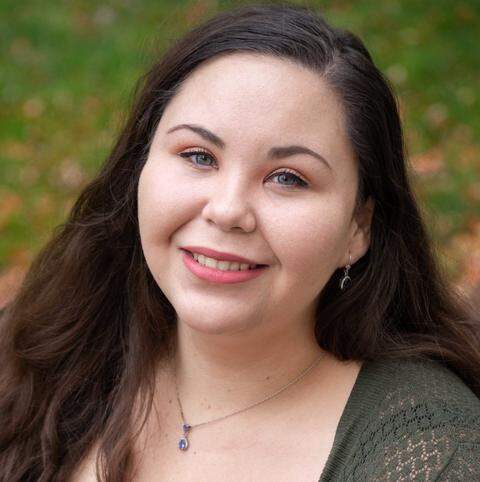
Natasha Brennan covers Washington state tribes’ impact on our local communities, environment and politics, as well as traditions, culture and equity issues, for McClatchy media companies in Bellingham, Olympia, Tacoma and Tri-Cities.
She joins us in partnership with Report for America, which pays a portion of reporters’ salaries. You can help support this reporting at bellinghamherald.com/donate. Donations are tax-deductible through Journalism Funding Partners.
You can sign up for her weekly newsletter here.
The poverty rate is 46.3% for Native youth ages 0 to 17 who identify solely as American Indian/Alaska Native and live in reservation areas, the congress reports. According to Talk Poverty, Native Americans in Washington state are experiencing poverty at the highest rate of any race, with 21% of those in poverty identifying with the group.
“Many of the characteristics that make American Indians and Alaska Native hard to count persist, such as economic hardship and education, and thus the Census Bureau will again need the resources, robust partners, and trusted messengers to enumerate accurately the AI/AN population in the 2020 Census,” the congress wrote.
This story was originally published September 23, 2021 at 10:48 AM with the headline "Native American population in Washington state has grown by more than half."